Hageman Reserve Donates $40,000 to Sulphur Bluff Scholarship Fund

 A generous donation to the Sulphur Bluff Scholarship Fund by the Hageman Reserve family was present to the Sulphur Bluff Scholarship Foundation Wednesday January 20. Sixteen years ago, Sulphur Bluff ISD had formed a scholarship fund to assist graduating seniors start in college-level studies. Over the years, an annual banquet and other fundraising efforts have helped dozens of seniors achieve a college education.
The Hageman family, originally from Indiana, noted with appreciation how the school assisted their students prepare for the future and decided to help. To supplement the $15,000 raised in 2015, the Hageman family donated $40,000 so that the needed $55,000 would ready for 2016 graduates. To be considered for a scholarship, senior class and alumni students can apply to the Scholarship Board for help with tuition
Sandy Hageman said they are blessed to be a blessing through the donation. Along with donation-matches by their 100 employees, they wish to demonstrate to others how giving back can benefit an entire community such as Sulphur Bluff. Present at the causal meet-and-greet were Indiana natives Steve and Sandy Hageman, their son Shane, daughters Stephanie with husband Sloan, and Sarah with husband Shad, and grandchildren.
Scholarship students at Sulphur Bluff are now earning as many as 24 college credits through distance-learning feeds from PJC and classroom courses. Superintendent Carr stated that Peoples Telephone is planning to run a fiber-optic line to Sulphur Bluff for the enrichment of the school curriculum.
Animals of the Week: Lavern and Shirley
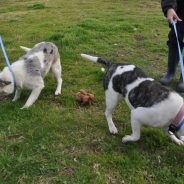
Lavern and Shirley are a bonded pair similar to last week’s featured animals. Lavern is a Pit mix and Shirley is an Aussie mix. Both range in 1-3 years of age, have tested heart-worm negative, and are not yet spayed. They were found together at the Pilot station and brought to the Animal Shelter shortly after Christmas. Both dogs are energetic and love people, unable to stand still for more than one second unless there was something to sniff.
“Nobody’s claimed them; we thought the owner was out of town for the holidays,” Animal Shelter Officer Barbi Blanch said. “Both came in with collars and they were very friendly and they get along with other animals. We have been posting [on Facebook] and everybody shares all of the Shelter posts.”
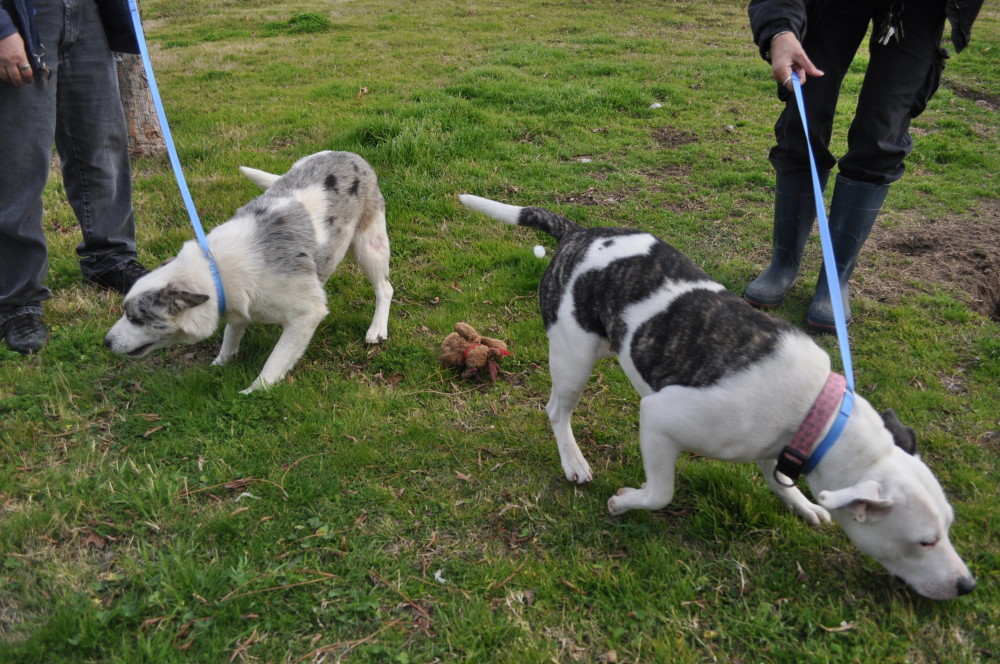
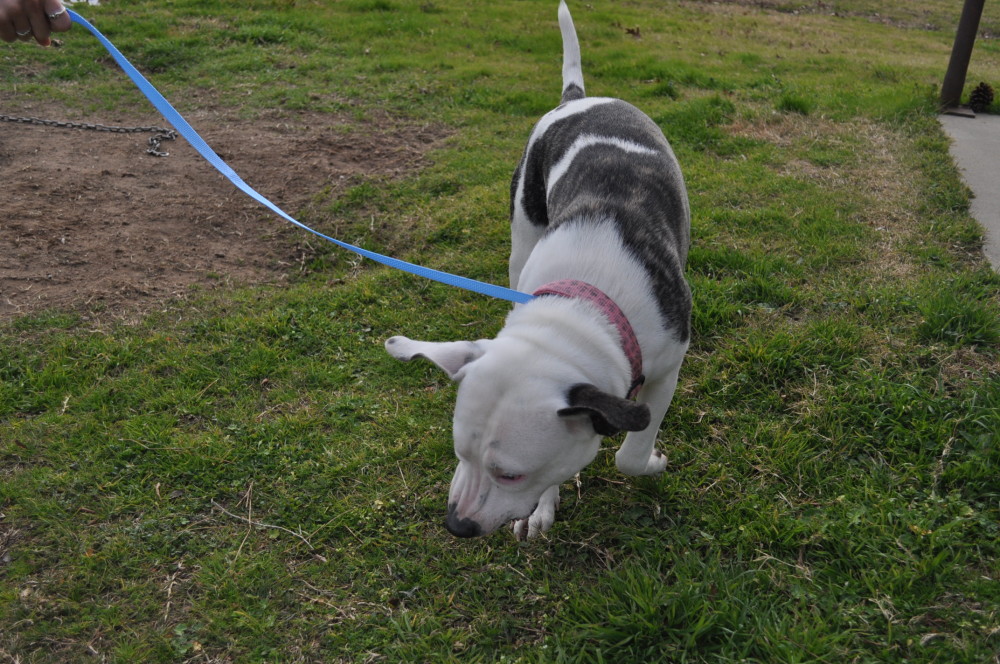
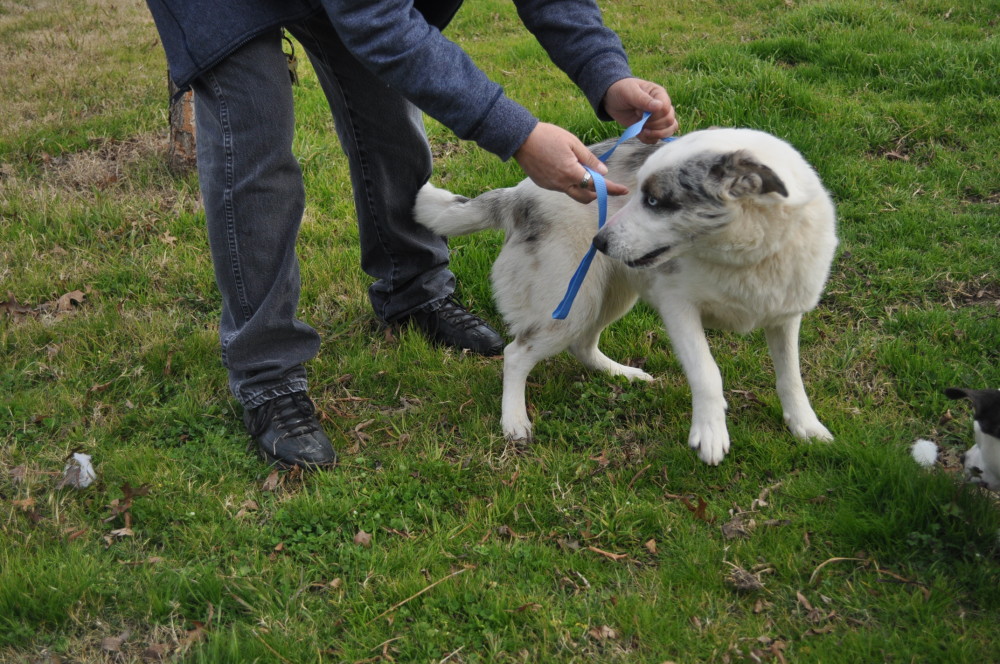
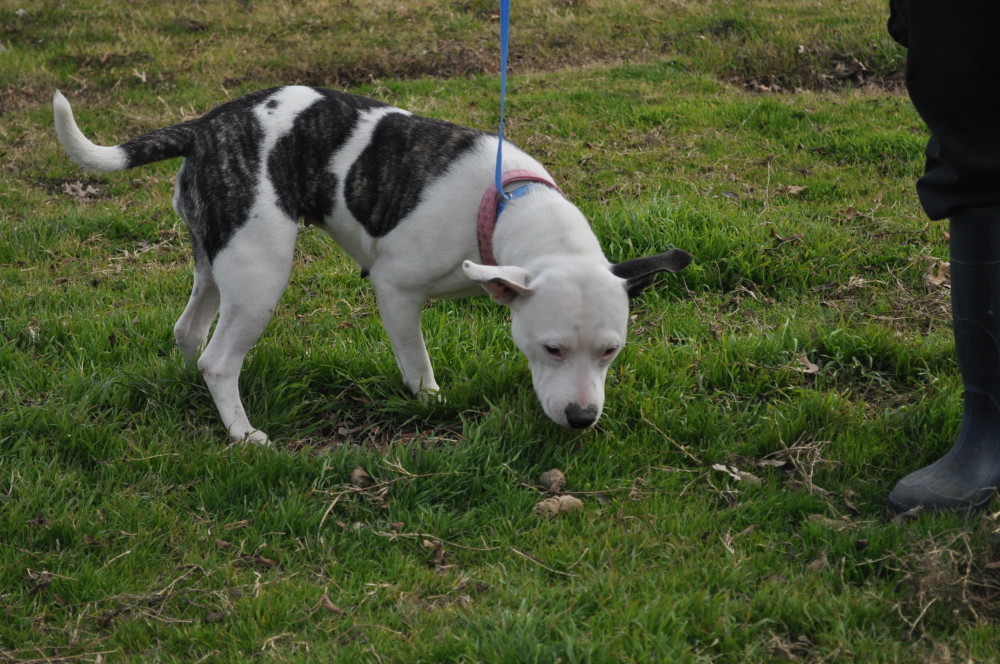
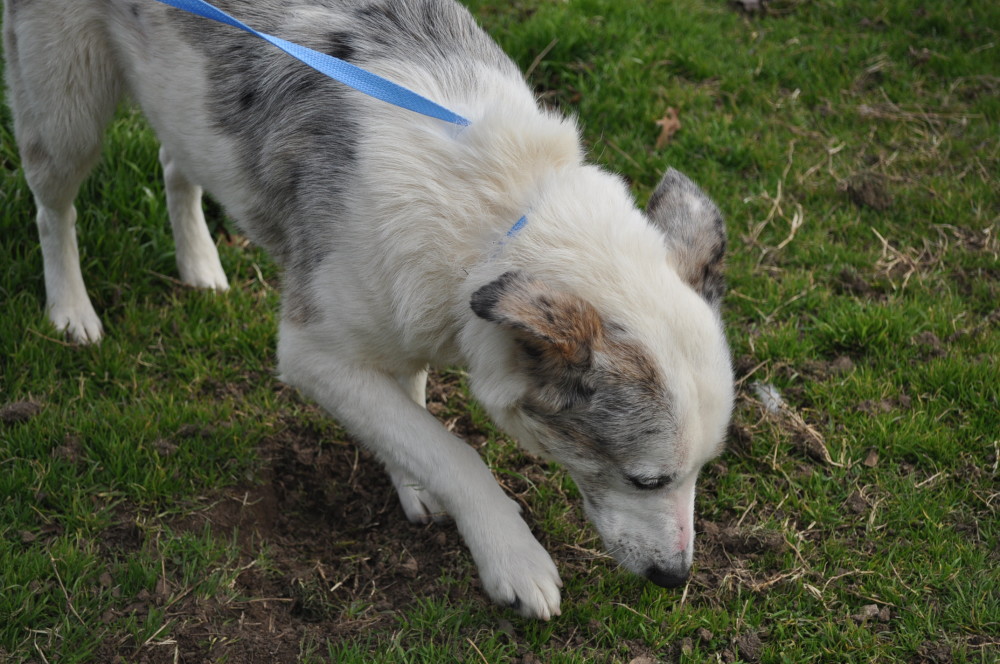
Both animals have been at the Shelter long enough to no longer be considered strays and are now up for adoption. Shirley is unique from other Animals of the Week since she is completely deaf. She was most likely born deaf as a result of reckless breeding, according to Shelter officers. Aussie breeds, if bred with certain other breeds, can be born deaf or blind, or in some cases, both. Since Shirley is deaf, Lavern acts as her ears on occasion and Shelter officers have had to take extra measures for her care.
“She just can’t hear you at all,” Officer Blanch said. “I walk up behind her and she doesn’t even know I’m there. I actually once opened the back door and she was curled up and apparently didn’t feel the wind on her fur, because [Lavern] ran in and the other was still all curled up. She was snoozing hard, too, and I actually had to touch her to wake her up.”
There will be no off-site adoption this weekend, but the Shelter will be open on Saturday from 10 a.m. to 2 p.m. The Animal Shelter is happy to announce that all cats have been adopted out to new homes. Only dogs remain.
What is digging my lawn: not a gopher, not a mole, it could be a vole!

Mario Villarino DVM, Ph.D.
Hopkins County Extension Agent for Ag and NR
1200B Houston Street
Sulphur Springs, Texas 75482
903-885-3443
Recently I got a phone call from a gardener related to controlling digging pests. She mentioned having mole problems but also her failure to control the pesky critters. As I communicated with her, I decided to ask her if she had actually “seen” the moles. She said no. I then tried to explain that there are several creatures than can create tunnels in Hopkins County. It is important to determine the pest causing problems to find the correct method to control them. It turned out that there were not moles but voles affecting her property.
According to Cornell University, voles, also called meadow mice or field mice, belong to the genus Microtus. Voles are compact rodents with stocky bodies, short legs, and short tails. Their eyes are small and their ears partially hidden. Their underfur is generally dense and covered with thicker, longer guard hairs. They usually are brown or gray, though many color variations exist. Voles occupy a wide variety of habitats. They prefer areas with heavy ground cover of grasses, grasslike plants, or litter. When two species are found together in an area, they usually occupy different habitats. Though voles evolved in “natural” habitats, they also use habitats modified by humans, such as orchards, windbreaks, and cultivated fields, especially when vole populations are high.
Voles eat a wide variety of plants, most frequently grasses and forbs. In late summer and fall, they store seeds, tubers, bulbs, and rhizomes. They eat bark at times, primarily in fall and winter, and will eat crops, especially when their populations are high. Occasional food items include snails, insects, and animal remains. Voles may cause extensive damage to orchards, ornamentals, and tree plantings due to their girdling of seedlings and mature trees. Girdling damage usually occurs in fall and winter. Field crops (for example, alfalfa, clover, grain, potatoes, and sugar beets) may be damaged or completely destroyed by voles. Voles eat crops and also damage them when they build extensive runway and tunnel systems. These systems interfere with crop irrigation by displacing water and causing levees and checks to wash out. Voles also can ruin lawns, golf courses, and ground covers.
Girdling and gnaw marks alone are not necessarily indicative of the presence of voles, since other animals, such as rabbits, may cause similar damage. Vole girdling can be differentiated from girdling by other animals by the non-uniform gnaw marks. They occur at various angles and in irregular patches. Marks are about 1/8 inch (0.3 cm) wide, 3/8 inch (1.0 cm) long, and 1/16 inch (0.2 cm) or more deep. Rabbit gnaw marks are larger and not distinct. Rabbits neatly clip branches with oblique clean cuts. Examine girdling damage and accompanying signs (feces, tracks, and burrow systems) to identify the animal causing the damage.
The most easily identifiable sign of voles is an extensive surface runway system with numerous burrow opening . Runways are 1 to 2 inches (2.5 to 5 cm) in width. Vegetation near well-traveled runways may be clipped close to the ground. Feces and small pieces of vegetation are found in the runways. The pine vole does not use surface runways. It builds an extensive system of underground tunnels. The surface runways of long-tailed voles are not as extensive as those of most other voles. Voles pose no major public health hazard because of their infrequent contact with humans; however, they are capable of carrying disease organisms, such as plague (Yersinia pestis) and tularemia (Francisilla tularensis). Be careful and use protective clothing when handling voles. Cultural and habitat modification practices can reduce the likelihood and severity of vole damage. Eliminate weeds, ground cover, and litter in and around crops, lawns, and cultivated areas to reduce the capacity of these areas to support voles. Lawn and turf should be mowed regularly. Mulch should be cleared 3 feet (1 m) or more from the bases of trees. Voles can live in dense populations in ditch banks, rights-of-way, and water ways that are unmanaged. Adjacent crop fields can be cost-effectively protected by controlling vegetation through mowing, spraying, or grazing. Soil tillage is effective in reducing vole damage as it removes cover, destroys existing runway-burrow systems and kills some voles outright. Because of tillage, annual crops tend to have lower vole population levels than perennial crops. Voles are nevertheless capable of invading and damaging annual crops, especially those that provide them with cover for extended periods of time.
Repellents utilizing thiram (also a fungicide) or capsaicin (the “hot” in chilis) as an active ingredient are registered for meadow voles (see Supplies and Materials). These products (or repellents registered for other species) may afford short-term protection, but this has not been demonstrated. Check with your state pesticide regulatory agency for availability. Zinc phosphide is the most commonly used toxicant for vole control. It is a single-dose toxicant available in pelleted and grain bait formulations and as a concentrate. Zinc phosphide baits generally are broadcast at rates of 6 to 10 pounds per acre (7 to 11 kg/ ha), or are placed by hand in runways and burrow openings. Although prebaiting (application of similar nontreated bait prior to applying toxic bait) is not usually needed to obtain good control, it may be required in some situations, such as when a population has been baited several times and bait shyness has developed. Zinc phosphide baits are potentially hazardous to ground-feeding birds, especially waterfowl. Placing bait into burrow openings may reduce this hazard. Anticoagulant baits are also effective in controlling voles. Anticoagulants are slow-acting toxicants requiring from 5 to 15 days to take effect. Multiple feedings are needed for most anticoagulants to be effective. In many states, one or more anticoagulant baits are registered for controlling voles. In addition to broadcast and hand placement, anticoagulant baits also can be placed in various types of bait containers (Byers and Merson 1982, Radvanyi 1980). Water repellent paper tubes with an anticoagulant bait glued to the inside surface make effective, disposable bait containers. Tube size is about 5 inches (12 cm) long by 1 1/2 inches (4 cm) in diameter (Libby and Abrams 1966, Marsh et al. 1967). Bait containers protect bait from moisture and reduce the likelihood of nontarget animals and small children consuming bait. Fumigants usually are not effective because the complexity and shallowness of vole burrow systems allow the fumigant to escape. They may work in new, small burrow systems with only one or two entrances.
Trapping is not effective in controlling large vole populations because time and labor costs are prohibitive. Mouse snap traps can be used to control a small population by placing the trap perpendicular to the runway with the trigger end in the runway. A peanut butter-oatmeal mixture or apple slices make good baits. Fall and late winter are periods when many vole species are easiest to trap. Although voles rarely invade houses, in the event that they do, they can be controlled by setting snap traps or live traps (Sherman or box-type) as you would for house mice.
For more information on this or any other agricultural topic please contact the Hopkins County Extension Office at 903-885-3443 or email me at [email protected].
SSISD To Conduct Annual Public Hearing on TAPR


According to Rusty Hardin, SSISD Communications Director, Sulphur Springs Independent School District will hold a public hearing on Monday, February 8, 2016 at 6:00 pm for the purpose of discussing the Annual Report of Educational Performance and the Texas Academic Performance Report (TAPR) for the 2014-2015 school year.
The public hearing will focus on District Accreditation, Campus Performance Objectives, information on violent or criminal incidents will be discussed. Also, information on the performance of previous year graduates in their first year of college based on the state board’s report.
Hardin says the TAPR is like a school report card. It is always one year behind as the Texas Education Agency gathers and reviews material for the report.
The hearing will be held in conjunction with the regularly scheduled meeting of the Board of Trustees. The meeting will be held at the administration building located at 631 Connally St., Sulphur Springs, Tx. 75482.
Snacking Your Way to Good Health by Johanna Hicks

Snacking Your Way to Good Health
It’s a new year, and many people have goals to make this one healthy! Snacks are a big part of a healthy eating plan, and if you choose wisely, snacks can help you reach your health goals. Too often,
people grab calorie-dense snacks, such as chips or a cookie, because they are hungry between meals. However, if you plan ahead, you can have a variety of healthy and nutritious snacks ready to grab and go. Choosing healthy snacks from the grains, fruit, vegetables, dairy, and protein food groups can boost your energy between meals and keep your hunger in check so you don’t overeat at meal time. In fact, you can think of snacks as “mini-meals” and view them as opportunities to eat more fruits, vegetables, and calcium-rich dairy foods, which are often under-consumed by Americans.
It’s no secret that many people are trying to lose weight. Therefore, there are a few tips you should follow when choosing to include snacks into your day. First, most people do not need more than one or two snacks per day. You should never snack if you are not hungry, and always avoid the urge to eat if you are bored, stressed, worried, or angry. Next, if you do choose to include snacks in your day, keep snacks to
less than 200 calories, and be sure that you do not exceed the total number of calories you need. To help you control snack portions, measure out your foods, or choose foods that are pre-portioned, such as
yogurt or canned fruit. Some stores even offer snacks that are pre-packaged in 100-calorie portions. Just be sure to watch the sodium content if blood pressure is a concern.
Many foods make great snacks! Some snacks may just be a single food, such as an apple or popcorn, while others maybe a combination of foods from several food groups, such as fat-free yogurt with fresh
berries. Whatever snack you choose, be sure that you choose foods low in solid fat, salt, and added sugar, but high in nutrients and fiber. When planning your snacks, you’ll need to consider whether you need
access to a refrigerator to safely store your snack foods. Here are a few ideas for healthy snacks:
- Whole wheat crackers and low fat cheese
- Fresh vegetables, such as cucumbers and cherry tomatoes with low-fat salad dressing
- Fruits canned in their own juice, such as pineapple or pears
- “Grab and Go” fresh fruits, such as bananas, apples, and peaches
- Nuts, such as almonds or walnuts
- Granola bars
- Low-fat popcorn
- Peanut butter and celery sticks
- Bell peppers and hummus
Whichever snack you choose, remember to keep it healthy and low in calories.
4-H Activities
The Hopkins County 4-H clothing & textiles project will kick off with a special event onSaturday, February 6. We are asking 4-H’ers (and guests) to meet at the Extension Office at9:30 a.m. to carpool to our field trip destination. We will spend some time touring and visiting with our host, then return to the Extension office for lunch and a fun afternoon of make-and-take projects. 4-H members who would like to participate in the 2016 4-H Fashion Show are welcome to bring their pattern and fabric, and I’ll help them get started on their outfit.
Parents are needed to help transport kids. There is no charge for the Field Trip and Sewing Fun Day, but I DO need to know how many plan to participate, so please contact my office at 903-885-3443 to sign up. Also, if you have questions, please don’t hesitate to ask!
Programs of the Texas A&M AgriLife Extension service are open to all people without regard to race, color, sex, religion, national origin, age, disability, or veteran status.
Closing Thought
“Winners get to the top and turn around to see those they have defeated. Leaders get to the top and turn around to help others achieve the same” – Dan Churches

Johanna Hicks
Texas A&M AgriLife Extension
Family & Consumer Sciences
1200-B W. Houston
P.O.Box 518
Sulphur springs, TX 75483
903-885-3443 – phone
903-439-4909 – Fax
[email protected]
Prickette, Toliver Seek Re-election to SSISD Board

 Incumbent school board members John Prickette and Leesa Toliver filed applications this morning for a place on the ballot of the May 7, 2016 school board election. January 20th is the first day to file. Filing ends Friday, February 19th. There are three at-large seats on the ballot this year. Election is May 7th.
Both Prickette and Toliver are seeking re-election. Prickette has served as President of the Board this year. Toliver is serving a Vice-President of the Board. Kerry Wright is currently serving in the only other available seat.
Active Warrants for Fire Hydrant Scam Subjects
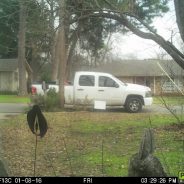
 Arrest warrants have been issued for two subjects believed to have been the perpetrators of a fire hydrant scam in Sulphur Springs, according to Hopkins County Criminal Investigators.
Two white males in their mid-twenties approached the home of an elderly Sulphur Springs woman and informed her that they were there to replace the fire hydrant on her property. The false claims made by the suspects included an intention to extort money from the victim.
Names of the suspects have not been released as law enforcement seeks the individuals. Sulphur Springs citizens are encouraged to be alert regarding this an similar situations. Residents are advised to: 1) Never grant the individuals access into your home and 2) Immediately notify either the Hopkins County Sheriff’s Office or the Sulphur Springs Police Department. A description of the individual or individuals and any other pertinent information will also be helpful.
25th Annual Reverend Dr. Martin Luther King, Jr. Awards Ceremony





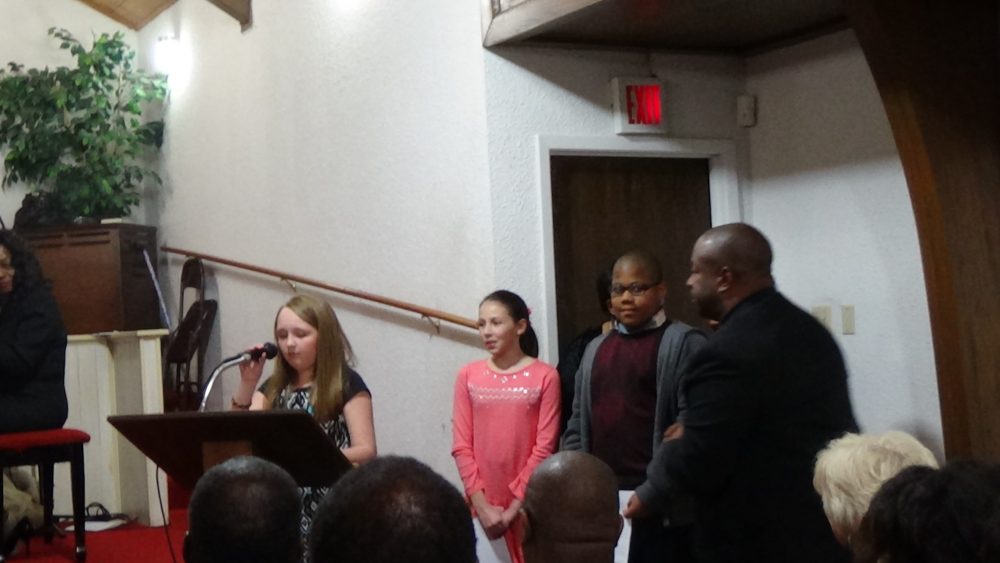

Program personalities include: Tom Sellers, Dr. Dan Jones, Representative Dan Flynn, Judge Robert Newsome, W.C. Pryor, and Pastor H.B. Nash. Cordell and Jackie Jackson, co-chair the ceremony committe. Dr. M. LaVelle Hendricks, is President and committe members are Yvonne Thornton and W. C. Pryor.
Those who received awards include:
The 2016 Reverend Dr. Martin Luther King, Jr. Award Recipients:
Spiritual- Liz Barrett
Freedom Award- Clyde Alexander
Spirit of Loyalty- Lucinda Harris and Carmen Timmons
Spirit of Dependability- Elaine Harrison
Social Change- Jerrika Dabbs -Wilkins
Mother of the Year- Della Cleveland
Father of the Year- Cordell Jackson
Legacy of King- Ricky Godbolt
Spirit of Service- Rhonda Porter
Spirit of Fellowship- William “Bill” Simmons
Achievement Awards:
Curtis Peoples, Bodie Sims, Clarine Moore, Gloria Franklin, Betty Hall Dial, Nikki Simmons, Monica Goodson, Selena Givens, Merita Wade, Melaunda Person
King’s Kids- Denise Wright-King
Choice of Excellence- Johanna Clayton and Zach Spigner
Youth of the Year- Mel Roy Givens and Jatavion Hall
Family of the Year- Roy and Yvonne King
Music- Jo Ann Johnson
Church of the Year- East Caney Missionary Baptist Church
Political Award- Judge Eddie Northcutt
Encouragement- Lisa Reed
Evangelism Award- Ernest Gassaway
Faithfulness- Parcel Lewis
MLK Media- Don Julian
Commitment Award- Trelanudra Duffey
Employer of The Year- V F Outlet
Employees of the Year: Consuelo Lewis Neal and Mary Taylor-Jackson
Law Enforcement- Jason Ames, Amanda Weatherford, Tyler Fransis
Spirit of Dedication- Ryan Harrison
Pastor of The Year- Pastor Mack Barrett, Sr.
Spirit of Commitment- Deacon Dewayne Harris and Mary Jackson Taylor
Fraternity of The Year- Alpha Phi Alpha Fraternity, Inc
Sorority of The Year- Delta Sigma Theta Sorority, Inc.
MLK Man of the Year- Deacon Wilbert Roland
MLK Woman of the Year- Demetra Robinson
MLK STUDENTS OF THE YEAR (SSISD):
Hannah Wall, Von’tese Johnson, Cory Bennett, Xavier Cork, Khalob Wilkins,
Kaidence Johnson, Kevin Byrd, Acie Simmons, Hitomi Simmons
MLK STUDENTS OF THE YEAR (Texas A&M-Commerce):
Taryn Driver, Jametrya Walker, Gabrielle Vaughn
MLK TEACHERS OF THE YEAR:
Kassie Smith, Kati Adair, Alison Thompson, Holly Thompson, Karen Anderson, Kim Gillem, Tim Thomas, Laura Smith, James Eilts, Lane Doughtie, Stephanie Garner, Elizabeth Moss, and Jennifer Roberts
MLK HALL OF FAME:
Joyce Moore, Sarah Edwards, Clarine Moore, Dwight Clayton, David Miller, Walmart, Joyce Young
Saltillo Lions Pick Up District Win

 Saltillo Lions edged into the win column with a 32-31 victory over Union Hill Tuesday night at Union Hill. The Lions are now 1-1 in district play.
John Vanholten led the Lions with 13 points. Lane Bench added 9. Trevor Moore and Matthew Gurley each contributed 3 and Walker McGill and Logan Camp had two points each.
Next up for the Lions is a home game against Sulphur Bluff, Friday.
Lady Cats Win in Triple Overtime

 It had to be one of the most incredible Lady Cats’ basketball games of all time Tuesday night in Wildcats Gym. An instant classic. The Lady Cats defeated the Longview Lady Lobos, 62-58 in triple overtime.
The Lady Cats almost won in regulation but a late turnover and a Lady Lobos basket tied the game 44-44 in regulation. Both teams matched points in the first and second overtime. Finally scoring seven of their nine points from the foul line, the Lady Cats were able to come out on top.
Tori Moore came up big in the overtimes scoring ten of her 15 points in the three extra sessions. She hit two of four three point shots. Kaylee Jefferson led the Lady Cats with 19 points and Autumn Tanton scored 9.
The win puts the Lady Cats all by themselves in second place with a 6-2 record. Hallsville is alone on top with a 7-1 mark. The Lady Cats will travel to Marshall Friday night. The Lady Cats defeated the Lady Mavs, 50-13 in Wildcats Gym back in December. The Lady Cats are now 19-6 for the season.