Texas A&M AgriLife Extension Offers Something for Everyone and Summer Sewing Workshop

 Texas A&M AgriLife Extension Offers Something for Everyone
Did you know that every state in the United States has an Extension Service? Did you know that every county in Texas has Extension Agents who work with them and that some agents in smaller counties work more than one county? Were you aware that some of the larger counties have multiple agents to cover the large territory? How much do you really know about your Hopkins County Extension Office? Did you know that there are two local Extension Agents?
The Extension agent for Family & Consumer Sciences (yours truly) focuses on nutrition; food safety; health & wellness; diabetes education; marriage education; parenting; budgeting; healthy homes; childcare conference (with PJC); children’s literacy; health fairs; Kids’ Camp: Fun, Food, Fitness for 1st thru 4th graders; Skills Camp for 5th & 6th graders; Master Wellness Volunteer program; and 4-H clothing, foods , and educational presentations projects. An occasional multi-day sewing workshop, team building and inspirational programs are also implemented. And I forgot to mention that we have free publications now available on food preservation. If you have a garden and produce, you will benefit from this information. Among the topics are canning vegetables and fruits, salsas, jellies, and jams, freezing fruits & vegetables, dehydrating foods, and basic home canning information, along with many more topics. I am also a member of the Sulphur Springs and Como-Pickton ISD School Health Advisory Councils, Community Chest Board, Hopkins Dairy Festival Board and the Fall Festival Board, in charge of the Creative Arts Contest and the Arts & Crafts Show.
The Extension agent for Ag and Natural Resources focuses on livestock, forage, pesticide applicator’s license and CEU’s workshops, septic system management, soils, beef cattle, horticulture, pasture and pond management, Master Gardeners Program, and 4-H livestock, shooting sports, and horticulture projects. We have publications on planting gardens, tree care, fly control, Zika virus, and many more topics. Mario also works with the Northeast Texas Livestock Association and Northeast Texas Beef Improvement Organization on various livestock shows and events.
Together, we work with the Hopkins County 4-H program on county-wide events, such as camps; county, district, state 4-H contests; project tour days; annual 4-H Christmas party; 4-H Gazette newsletter; 4-H community service projects; National 4-H Week events; 4-H Project Show; and County 4-H Council meetings. We also coordinate the Extension Leadership Advisory Board, Youth Advisory Committee, and our respective program area committees.
As part of the Texas A&M University System, we bring the university to our community through our programs, events, conferences, and workshops. We often partner with agents from other counties to provide a large-scale program. As a matter of fact, the multi-county Family & Consumer Sciences (FCS) team from Hopkins, Rains, Hunt, and Wood Counties recently held “Dinner Tonight – Cooking With Chef Cruz” at Hidden Lakes Hunting Lodge. The chef demonstrated cooking with wild game. His recipes included: Duck Breast with Baby Kale & Sweet Potato Puree, Grilled Bobwhite Quail with Wild Blackberry Sauce, and Red Stag Venison with Asparagus. This was an educational and entertaining event, and from the feedback we received, it was also enjoyable for the attendees. Watch for more coverage on this event in the coming days.
So, did you learn something about Texas A&M AgriLife Extension? I hope so!
Summer Sewing Workshop
By popular demand, I will be implementing a sewing workshop in August, just prior to the start of school. For those who wish to learn how to make a t-shirt quilt, I will have a list of materials to bring, as well as some actual quilts I have made. If that project is a little too advanced, I will also teach basic sewing skills for beginners (or refresher for those who haven’t sewn in a few years!) I’ll have instructions for simple make-and-take projects, and will provide fabrics for most of these.
Dates of the workshop are Tuesday, Wednesday, and Thursday, August 15, 16, and 17, at the Extension Office, 1200-B W. Houston Street in Sulphur Springs. There will be a one-time fee of $15, payable at the first session. The first day will be from 9:30 a.m. to 2:30 p.m., but the times for the other days will be determined by the group. (I have been known to start at 8:30 a.m. and end at 5:00 p.m. by request!) If you are interested, please call our office at 903-885-3443 and leave your name and phone number. We will contact you later with a supply list.
Closing Thought
Remember the three R’s: Respect for self; Respect for others; and Responsibility for all your actions – unknown

Johanna Hicks
Texas A&M AgriLife Extension
Family & Consumer Sciences
1200-B W. Houston
P.O.Box 518
Sulphur springs, TX 75483
903-885-3443 – phone
903-439-4909 – Fax
[email protected]
Beef Tips- Anaplasmosis By Mario Villarino
One method to maintain communication and educational efforts to our community is the release of newsletters. With recent development of internet-based information and mass media, it is important to use these communication methods to relate time-based information to our constituents instead of traditional printed materials.. Because the time sensitive information due to recent rains and high incidence of mosquitoes in Hopkins County, I decided to share this information with our general public and specially with those raising beef cattle. Anaplasmosis is an infectious disease of cattle that causes destruction of red blood cells. The disease is caused by a minute para site, Anaplasma marginale, found in the red blood cells of infected cattle . It can be transmitted from infected animals to healthy animals by insects or by surgical instruments. Anaplasmosis can be divided into four stages: incubation, developmental, convalescent, and carrier. These stages and the symptoms associated with them are described below.
The incubation stage begins with the original infection with A. marginale and lasts until 1 percent of the animal’s red blood cells (RBCs) are infected . The average incubation stage ranges from 3 to 8 weeks, but wide variations have been documented. Most variation is directly related to the numb er of organisms introduced into the animal. After gaining entry into a susceptible animal, the anaplasma para site slowly reproduces in the animal’s blood during the incubation phase. During this period the animal remains healthy and shows no signs of being infected. Finally, after the para site has reproduced many times and established itself in the RBCs of the animal, the body attempts to destroy the parasite.
During the developmental stage, which normally lasts from 4 to 9 days, most of the characteristic signs of anaplasmosis appear. Clinical signs begin to be expressed about half- way through this phase. As the infected animal’s body destroys the para site, RBCs are destroyed as well. When a substantial loss of RBCs has occurred, the animal will show signs of clinical anemia. The body temperature will comm only rise to 104.o to 107.o F (40.o to 41.o C), and a rapid decrease in milk production will occur in lactating cows.Cattle producers first notice the anemic, anaplasmosis-infected animal when it becomes weak and lags behind the herd. It refuses to eat or drink water. The skin becomes pale around the eyes and on the muzzle, lips, and teats. Later, the animal may show constipation, excitement, rapid weight loss, and yellow-tinged skin. The animal may fall or lie down and be unable to rise. Affected cattle either die or begin a recovery 1 to 4 days after the first signs of the disease. As a general rule, unless infected cattle can be detected during the early developmental stage, they should not be treated. There are two primary reasons for this practice. First, if the animal is forced to move or becomes excited, it may die of anoxia (lack of oxygen in the animal’s system). Second, antibiotic treatments do little or nothing to affect the outcome of the disease when given during the late developmental or convalescent stage.
Cattle that survive the clinical disease lose weight, abort calves, and recover slowly over a 2- or 3-month period. This is known as the convalescent stage, which lasts until normal blood values return. This stage is differentiated from the developmental stage by an increase in the production of RBCs (erythropoiesis) in the peripheral blood, shown in an increase in hemoglobin levels and high total white blood cell counts, among other characteristics. Death losses normally occur during the late developmental stage or early convalescent stage. Cattle of all ages may become infected with anaplasmosis, but the severity of illness increases with age. Calves under 6 months of age seldom show enough signs to indicate that they are infected. Cattle 6 months to 3 years of age become increasingly ill, and more death s occur with advancing age. After 3 years of age, 30 to 50 percent of cattle with clinical anaplasmosis die if untreated. Unless adequately medicated, cattle that recover from anaplasmosis remain reservoirs (carriers) of the disease for the rest of their lives.
During the carrier stage, an animal will not exhibit any clinical signs associated with the persistent low-level A. marginale infection. Nevertheless, the blood from these recovered animals will cause anaplasmosis if introduced into susceptible cattle . Anaplasmosis outbreaks are related to the lack of a control program, the ratio between anaplasmosis carriers and susceptible animals in the herd, and the amount of vector transmission. An increase in the ratio of carriers to susceptible animals or an increase in vector transmission can influence the severity of an outbreak. With these factors in mind, the producer needs to consider reducing vector transmission, developing control programs to prevent outbreaks, eliminating the carrier state , and using treatment or management options available to stop an outbreak of anaplasmosis. Knowing how to interpret anaplasmosis outbreaks can yield valuable information on necessary changes in management.
Outbreaks occurring during the vector season would indicate infection of susceptible cattle and acute outbreaks of anaplasmosis. If this situation occurs, preventative measures, such as vaccinations or antibiotic therapy as outlined in later sections, should be implemented. If outbreaks occur during the winter months, they are due not to recent infection of the susceptible cattle but to stress, which can lead to expression of the disease in infected cattle. In this situation, vaccination would not prevent further outbreaks during this non-vector season. Vaccination works to prevent acute expression of the disease upon infection during the initial exposure. It does not prevent infection or the development of a carrier animal. Antibiotic therapy can be used to control this type of outbreak as described later in the section “Control Programs for Anaplasmosis.” An additional strategy is preventing stress in susceptible cattle . Nutrition and environmental stress are two areas that must be managed closely in suspect herds. An increase in outbreaks during a non-vector season would indicate that stress is a key factor in the expression of symptoms.
What can you do? Get familiar with clinical signs of anaplasmosis and develop an efficient relationship with your veterinarian. Recent regulations related to drug usage limits its availability to valid veterinarian- patient relationships. During the veterinarian visit, share your observations and ask about the possibility of anaplasmosis in your herd.
For more information on this or any other agricultural topic please contact the Hopkins County Extension Office at 903-885-3443 or email me at [email protected]
 Mario Villarino DVM, Ph.D.
Hopkins County Extension Agent for Ag and NR
1200B Houston Street
Sulphur Springs, Texas 75482
903-885-3443
Computer Access for SSISD K-12 Registration Available Monday

Sulphur Springs ISD will be hosting an open house help session for parents and guardians who do not have computer access, or who need help with the online registration process. This help session will be Monday, June 12th, 2017 at the Administration building at 631 Connally Street. The help session will be from 8:00 AM until 7:00 PM.
If your child will be in kindergarten through 12th grade in 2017-2018 and is currently enrolled in an SSISD school, you will be able to complete all registration forms (all beginning of the year paperwork) through your SSISD SKYWARD FAMILY ACCESS ACCOUNT.
An SSISD Skyward Family Access account is necessary to complete the back-to-school online registration. Your SSISD Skyward Family Access account will access all your children’s information on all campuses. If you already have a Parent Portal account, you will not need to set up a new SSISD Skyward Family Access account.
The online registration process is required for all returning students of SSISD and is currently open. Online registration must be completed before the first day of school. The first day of school for 2017 is August 22nd.

Rotary Grant Presents Picnic Tables to The City of Sulphur Springs

 by Savannah Owens
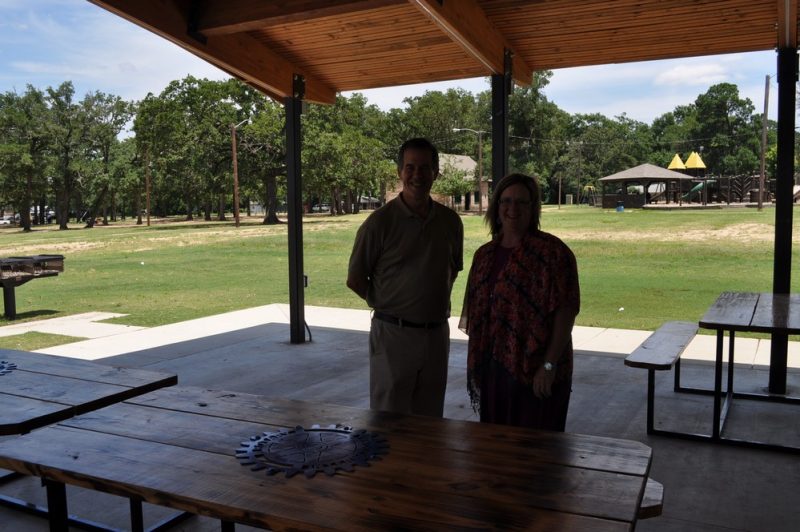
The Rotary Club President Neva Mohesky presented six picnic tables to Mayor John Sellers on Thursday, June 8th, at 1:30 pm. City Manager Marc Maxwell was unable to attend, but Mayor Sellers represented the City in accepting the donation.
“Every The district matching grant must be approved annually by an independent committee based upon application made by the club president. This year, we were awarded over $1700 and are required to match that amount. Matching funds are raised through our Claws for a Cause event.” Mohesky stated.
This year, the rotary club asked what the city needed-which was a few more tables to complete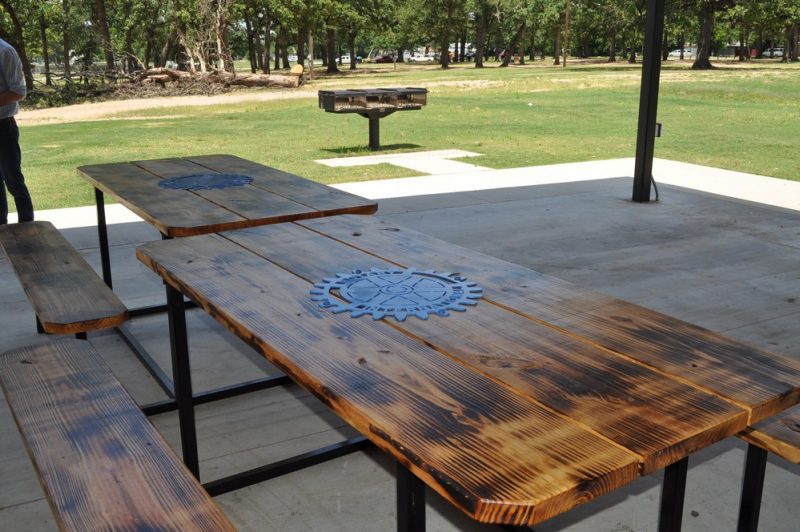 the pavilion in Buford Park. Mohesky explained, “when the Rotary club spends money-it has to be sustainable, and these tables will be here for a long time.”
Originally the tables at the pavilion were sold and branded by the leadership class-but these new tables have a welded metal plate denoting the Rotary club’s logo. These tables were made by Dan Froneberger, newly elected councilman, who gave the city “a bargain,” according to City Secretary Gayle Roberts.
The Rotary Club’s next event is on June 22. There they will be awarding over 18 thousand dollars in funds to non profit groups as well as scholarships.

Thursday Afternoon Accident on I-30 Westbound
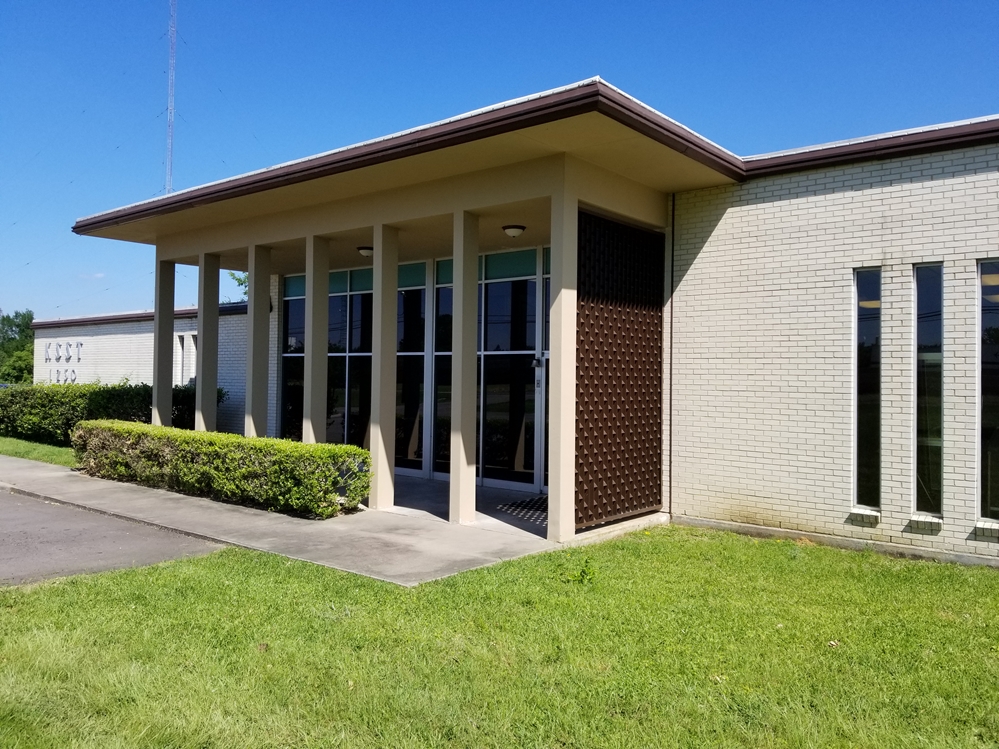
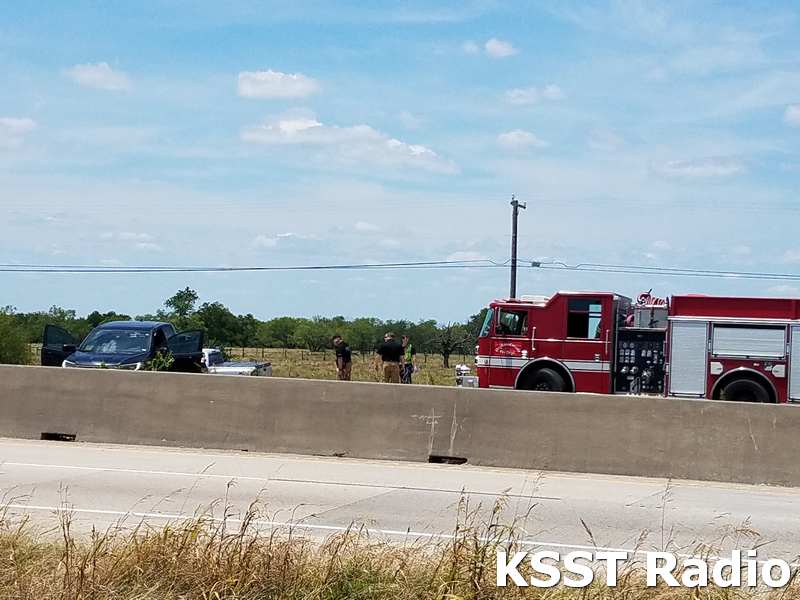
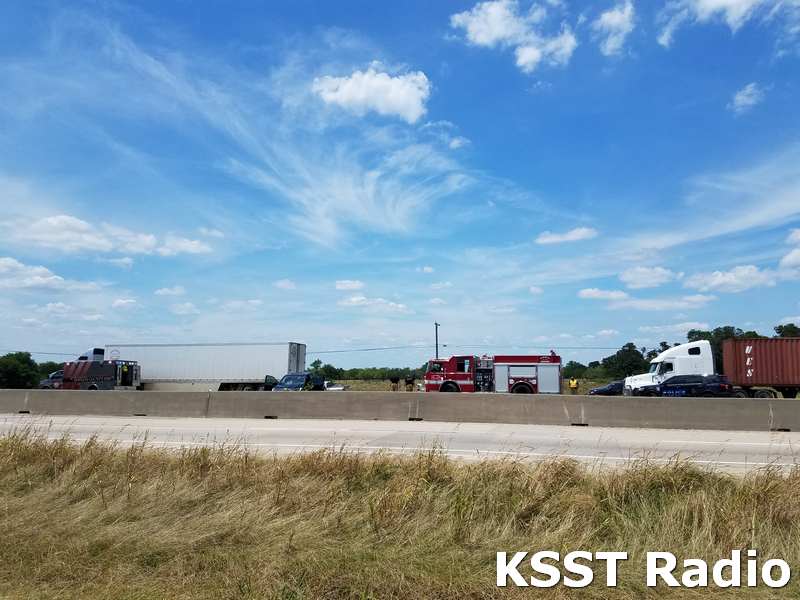
An accident Thursday afternoon created a traffic slowdown at the westbound 122-mile marker on I-30 about one mile west of the State Highway 19 overpass. A UPS Semi-truck and another another vehicle were involved in the accident, according to early reports. According to information received by KSST only minor injuries were reported at the scene.

The Edge Begins Monday at SSHS Multipurpose Building

Wildcats Head Football Coach and Athletic Director Greg Owens is a big believer in the importance of The Edge, a summertime conditioning program for athletes. The free program begins Monday morning at the Multipurpose Building.
Coach Owens says the Wildcats are going to be very competitive and players need to show up in shape in August so he doesn’t have to deal with injuries all through the fall. Coach Owens says The Edge is a great program and a benefit for kids. He says players who get into shape this summer will have an advantage in the fall.
Due to the longer than usual summer this year, Coach Owens says The Edge for high school boys and girls, those entering ninth through twelfth grades, will take place for four weeks Monday through Thursday from 8 a.m. until 10 a.m. through July 6. After a break, The Edge will resume for two more weeks from July 24 through August 3.
Again this summer, there will also be The Edge for middle school boys and girls entering the seventh and eighth grades. It will run for four weeks only starting Monday and going through July 6. Coach Owens says The Edge for middle schoolers will feature less conditioning and more emphasis on weight lifting and agility drills.
Coach Owens says the athletes need to make a commitment to The Edge. He says those that come in about one day a week tend to only get sore.

Community Calendar June 9-11, 2017

The Dairy Festival Carnival will be open through Saturday night June 10 on the grounds of the Civic Center.
A Fish Fry Fundraiser will be held at the HW Grays Building this Friday starting at 10:30am at a cost of $8 plate, to benefit Cherry Grove Baptist Church.
“Be a Geneaology Detective” is a Children’s Workshop hosted by the Hopkins County Genealogy Society on Saturday June 10 from 1-4pm. Cost is $10 per child, age 3rd grade and up. A parent accompanies the child free of charge. A trip to the SS City Cemetery is included plus research supplies and refreshments. Call to register, 903-885-8523.
A Memorial and Homecoming meeting is planned on Sunday June 11 at the Nelta Community Center starting at noon with a covered dish lunch. Anyone with family in or with ties to the cemetery is welcome to attend.
Memorial Day at the Emblem Cemetery is Sunday June 11 at 10:30 am with Don Patterson as speaker, Ronny Glossup with music and a covered dish lunch at noon.
Mahoney Homecoming is Sunday June 11 at 10:30am with Don Voss as speaker. Families can bring a picnic lunch to spread at noon under the trees. Donations to the cemetery may be made to Pinky Cooper, Treasurer at 3240 CR 3504 in Sulphur Springs.
St. Mark Baptist Church has the 125th Church Anniversary and 55th Homecoming this Sunday with Sunday School and worship services, then a special service at 3pm with choirs and guest singers. All churches are welcome to attend.
Children’s Theater Workshop To Present Lion King Junior; Enrollment Open Through Friday
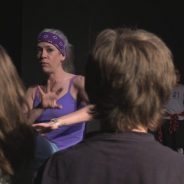
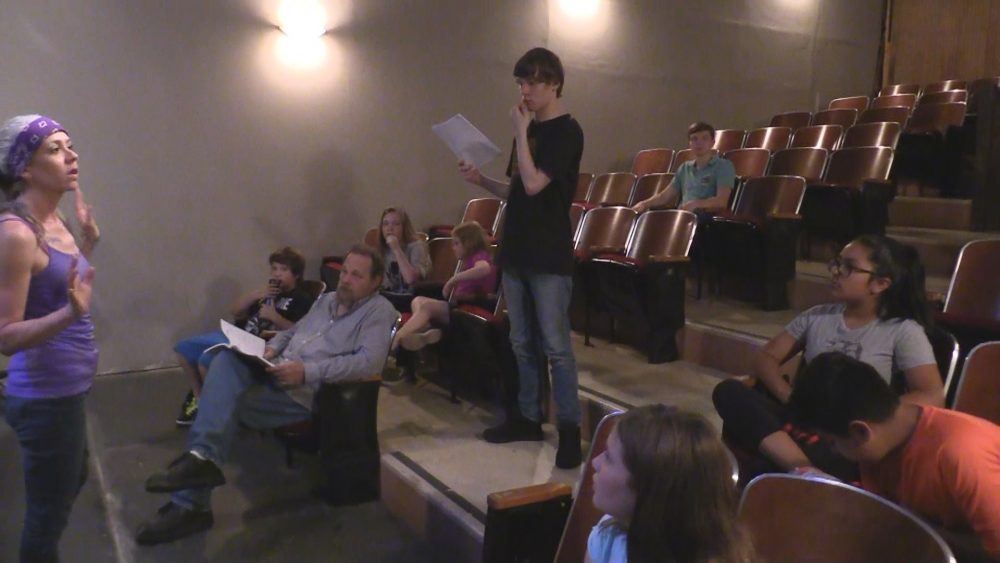 Children’s Theater Workshop, an annual summer event, continues to seek additional members for Lion King Junior, according to David Woody with Community Players and Main Street Theater. Woody said 12-15 additional children are needed to fill roles and the chorus. He stated registration for the workshop is open through Friday this week. To register for the workshop call 903-885-0107 and leave a message including your phone number.
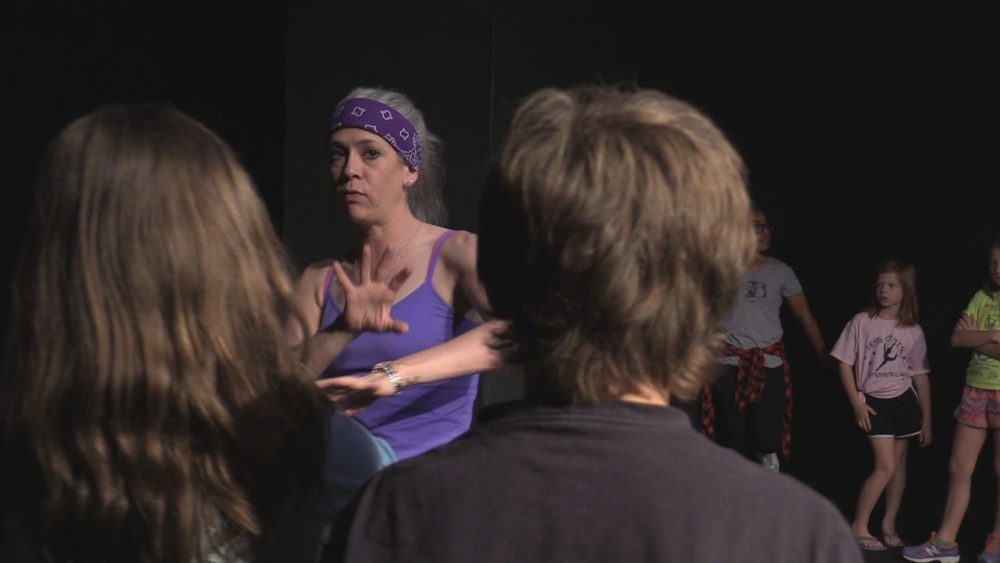 Desiree Pharis, technical director at the Sulphur Springs ISD Auditorium and teacher at SSHS and the Middle School is assisting Woody. Several advanced students and veterans of the workshop are assisting in the production. Monday, Tuesday, Thursday, and Friday are rehearsal days except the week of the production. Rehearsals will be 1 p.m. until 6 p.m. on those days.
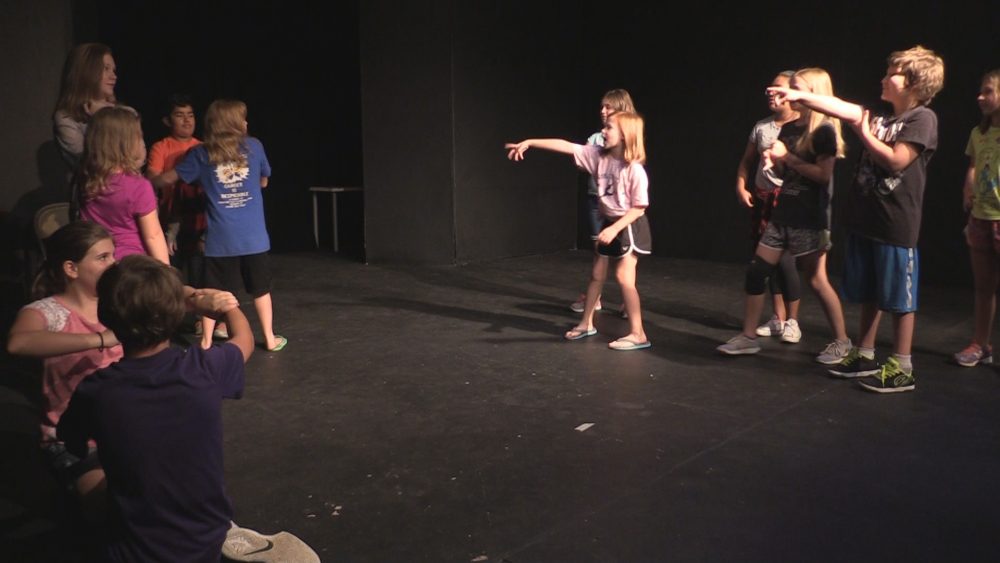 The event will be presented at the SSISD Auditorium located at the Civic Center July 21-23. Friday and Saturday performances will be at 7 p.m. The Sunday performance is at 2 p.m. Tickets are $15 and available at www.mstsulphursprings.com.
Local Boxer Featured in Preliminary Bout Saturday

Ryan Chester, heavy weight boxer from Sulphur Springs, will be featured during a preliminary bout Saturday, June 10th at Gas Monkey Live.