UBER: Ridesharing Arrives in Hopkins County

Uber, the original ridesharing service, began 8 years ago. The initial service areas were confined to the largest urban areas for obvious reasons. Residents of Hunt County have had Uber for several months now, but until this week the service ended at the Hopkins County line.
KSST Radio can verify that at least 1 Uber driver is registered and accepting clients in Hopkins County. The first Uber fare in Hopkins County was a round trip from the Best Western Hotel, to the Downtown Dining District. Three businessmen traveling from Arkansas to Grapevine, TX made and overnight stop in Sulphur Springs, TX. They were thankful to have the service, one mentioned that Uber probably saves lives by preventing drunk driving.
It’s easy to get an Uber ride, just download the Uber app to your smart phone. After you create an account and link up a credit card, you are ready to go. You may even qualify for a first ride discount, or possibly a free ride to help welcome you to the service.
Folks landing at SLR will now have the chance to visit all areas of Sulphur Springs. And people wanting a ride to DFW can use Uber to get there.
Senior Citizens who can’t drive now have another option to get out and around.

PJC-Sulphur Springs Balloting for Mr and Miss PJC Underway

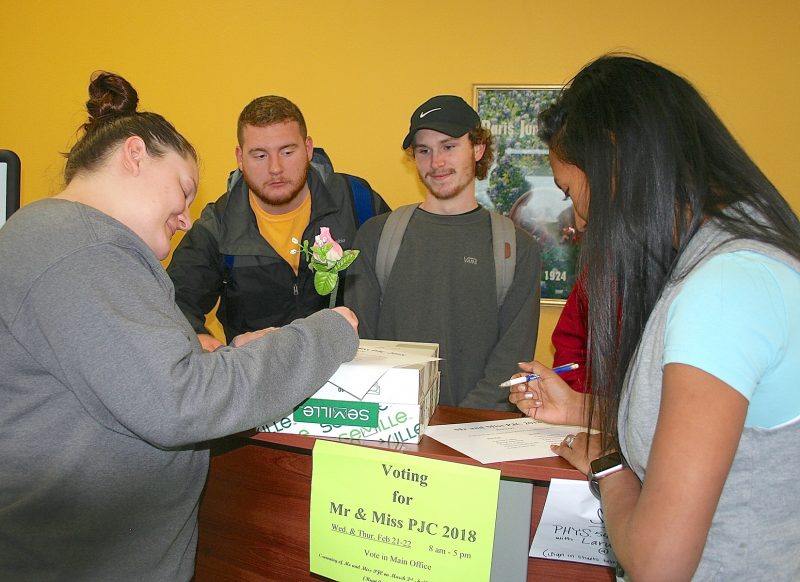
MR AND MISS VOTING The balloting for Mr. and Miss PJC is underway and these PJC-Sulphur Springs Center students are making their voting choices. From left are Sydnee Hawkins, Gideon Gregory, Luke Kilgore and Kiran Scheiber, all of Sulphur Springs. Winners will be crowned during halftime of the Dragon basketball game on March 3. #PJC #ksst1230am
Livestock Preparedness & Recovery By Mario Villarino


Recent precipitation has triggered several emergency-response mechanisms county-wide . According to David W. Smith, Extension Safety Program Specialist, recent agricultural statistics ranks Texas number one in livestock (cattle and calves) production with more than 14 million head. This industry contributes nearly 8 billion dollars in cash sales receipts each year to the state. In the event of a major emergency or disaster, personal safety should always come first. However, farmers and ranchers in Texas should also have an emergency preparedness and response plan that protects the safety of livestock and other animals on the farm or ranch. Emergency preparedness is important for all animals, but especially for livestock because of their size, feed requirement, and shelter and transportation needs. The most likely emergency scenario in Texas is flooding. Floods can be “flash” floods that occur very quickly due to intense rainfall, or develop over time from tropical depressions, tropical storms and hurricanes. Flooding can also result from a failed dam upstream of a farm or ranch. Farmers and ranchers should assess the risk of flooding in their particular region and plan accordingly.
Preparing for a Flood
Identify Emergency Resources: In case of a flood situation, have in place an emergency plan to protect your livestock. The emergency plan should include phone numbers of resources you may need before, during and after the emergency, including: Employees, neighbors , veterinarians , Poison Control Center
Animal shelters, County Cooperative Extension, Livestock transport resources ,Feedstock providers in various regions . Make sure to include contact information for resources out of the area as well in case local resources are overwhelmed. Ensure Animal Identification: All livestock should have visible identification numbers, even if you do not plan to transport them from the property. Floods often drive livestock to seek shelter. They often become lost or end up in a neighbor’s pasture.
Restrict Access to Dangerous Areas: When necessary, move livestock to higher ground and deny access to floodprone pastures, barns and other structures. Many livestock drown because they refuse to leave flooded shelters. Make sure that livestock are not able to reenter potentially dangerous areas.
Supply Food and Water: During floods, it’s important that livestock have plenty of food and clean water. The emergency preparedness plan should include contingency options for feeding and watering these animals if existing resources become contaminated by floodwaters. In some cases, it may be necessary to truck in water to livestock holding areas.
Remove Potential Contaminants: Floodwaters often contaminate soils, animal feed supplies, and fresh water sources by carrying chemicals, fertilizers, trash and other debris from their original containers and locations. Where this hazard exists:
- Label hazardous materials and place them in a safe location.
- Remove chemicals, fuels, fertilizers, and other contaminants to higher ground and check containers for leaks.
- Maintain an inventory of all hazardous substances that could be leaked during a flood.
- Remove old buried trash that could leach into crops, feed supplies, water sources and pastures.
- Secure or remove anything that could become blowing debris, including trailers, propane tanks, boats, feed troughs.
Check for Fire Hazards: During floods, farmers and ranchers also need to protect livestock from the threat of fires. Plan to remove all fuels away from the vicinity of barns. Turn off all electrical power to barns and buildings, and other structures that house livestock until the threat of flooding has subsided. Instead, use gasoline or diesel generators that can be transported away from the area when not in use.
Flood Recovery: A key component of any emergency plan should include what steps to take after an emergency to protect you, family members, coworkers, and animals. This is especially true when it comes to livestock. The aftermath of a flood can leave serious hazards that can lead to injury and death.
Common hazards include:
- Contaminated food and water supplies
- Standing, stagnant water
- Mosquitoes
- Livestock carcasses
- Sharp objects transported or blown into pastures
- Sick/diseased animals
- Wild animals displaced by floodwaters
- Damaged barbed wire fences and gates
- Weakened barns and other structures
- Eroded and unstable creek beds
Inventory Livestock: Immediately after a flood event, inventory all livestock and identify any missing animals. Inform neighbors of animals that are lost. Unfortunately, in the chaos after an emergency event, thieves take this opportunity to gather lost animals and sell them as soon as possible. Inform local livestock auction barns in your area to be on the lookout for lost animals that carry your brand or identification.
Remove Hazardous Objects: If it can cut, scrape, gouge or poke, livestock will find it. After a flood, seek out and remove dangerous objects from pastures. Check fences for damage and repair them immediately. Removing these objects not only protects livestock, but protects farm workers and machinery from being injured or damaged when mowing pastures that have grown over and hidden these objects.
Observe Livestock for Sickness : Following a flood, there can be a danger of infectious diseases in livestock. Its important to remove any dead animals as soon as possible and bury them at least three to four feet deep covered with lime. This protects the spread of any diseased animal by wildlife.
- Inspect livestock for wounds and treat them immediately.
- Watch for signs of diseases such as pneumonia, foot rot or leptospirosis.
- Isolate sick animals from the herd and report any sign of disease to your veterinarian.
- Make sure all livestock vaccinations are current.
- Spray insect repellents to protect livestock from increased mosquito and fly populations.
Inspect Food and Water Sources: Check livestock feeds for water damage and contamination. Feeding livestock damaged grains and moldy hay can cause digestive problems in livestock. Do not force livestock to eat feeds or drink water that has been flooded, or that has possibly been contaminated by pesticides or other chemicals. For farmers and ranchers, protecting livestock from the hazards of natural disasters is essential. The suggestions included in this fact sheet are also applicable to other disaster scenarios common in Texas, including tornadoes.
For more information on this or any other agricultural topic please contact the Hopkins County Extension Office at 903-885-3443 or email me at [email protected].

Mario Villarino DVM, Ph.D.
Hopkins County Extension Agent for Ag and NR
1200B Houston Street
Sulphur Springs, Texas 75482
903-885-3443
Diabetes, Urban Myths, and More By Johanna Hicks
Do Well, Be Well with Diabetes
Time certainly flies! The spring series of “Do Well, Be Well with Diabetes” is just a few short weeks away, and plans have already begun to provide a quality, informative, and impactful program. If you or a loved one have been diagnosed with diabetes, this series is for you! Here are the topics to be covered and a brief synopsis of each:
- Monday, April 9: “Getting Started: How Food Affects your Blood Glucose” – we will cover the difference between type 1 and type 2 diabetes, which foods affect your blood glucose the most, and nutrition labels to help make healthier choices.
- Thursday, April 12: “Are You Eating the Right Number of Carbohydrates?” – this session will cover the reasons and steps to check blood glucose, recommended glucose ranges, what outside factors affect your blood glucose, and discuss carbohydrate “choices” as a part of meal planning.
- Monday, April 16: “Beyond Diet: Improving Blood Glucose Control with Physical Activity” – we will cover the benefits of both aerobic and resistance physical activity, discuss symptoms of and how to treat low blood glucose, and discuss the importance of eating regular meals and snacks.
- Thursday, April 19: “Beyond Diet and Physical Activity: Improving Blood Glucose Control with Medication” – this session will cover the reasons for starting medications, risks of delaying medications, tips for eating out and portion control.
- Monday, April 23: “Celebrating Diabetes Control While Avoiding Complications” – this session discusses complications and prevention strategies, how to get the most from your doctor’s visit, strategies to incorporate sweets or desserts into a healthy eating pattern.
All sessions will take place at the Texas A&M AgriLife Extension Service – Hopkins County office, 1200 W. Houston (next door to the Southwest Dairy Museum). Two times are being offered to accommodate participants’ schedules, so pick the time that works best for you: 1:30 or6:00 p.m. You can even mix-and-match times if necessary. A one-time fee of $25, payable at the first session, covers materials, refreshments, door prizes, and supplementary materials. Couples sharing materials will only pay one fee. Please call 903-885-3443 to add your name to the list so adequate preparations can be made.
Urban Myths and Misconceptions
While preparing a newsletter for the Hopkins County Master Wellness Volunteers, I included a section on myths and misconceptions. Much inaccurate information is being circulated via social media and internet. I was to share with you some myths and truths provided by Texas A&M AgriLife Extension, USDA, and the Expanded Food and Nutrition Education program.
– Myth #1: You don’t have to count calories to keep a healthy weight. Truth: Maintaining weight requires balancing energy intake with energy expenditure. Calories in = calories out.
– Myth #2: Starches and other carbohydrates make you gain weight. Truth: Low carbohydrate diets may help with initial weight loss, but cannot be sustain long-term. Carbohydrates are important sources of vitamins, dietary fiber, and fuel.
– Myth #3: Drinking lots of water helps you lose weight. Truth: It is not specifically the water that causes weight loss, but rather that we are replacing a higher calorie beverage with a lower calorie beverage. Choose water rather than sweetened beverages.
– Myth #4: Snacks are bad. Truth: Healthy snacks can help control appetite and promote portioned meals as opposed to overeating at meal time.
– Myth #5: Eating health is expensive. Truth: A 3-ounce chicken breast, 4 ounces of broccoli, ½ cup carrots, ½ cup brown rice, ½ apple and 2 teaspoons Greek yogurt costs about $1.95.
For healthy weight management, plans meals and snacks and eat when you hungry – stop when you are not. Consider the frequency and contents of your snacks. Increase intake of whole grains, fruits, and vegetables. Eat most of your meals at home and watch supersized portions when eating out. It’s ok to indulge every now and then, but don’t forget physical activity – 30 minutes most days of the week.
Closing Thought
Even if you’re on the right track, you’ll get run over if you sit still – Roy Rogers

Johanna Hicks
Texas A&M AgriLife Extension
Family & Consumer Sciences
1200-B W. Houston
P.O.Box 518
Sulphur springs, TX 75483
903-885-3443 – phone
903-439-4909 – Fax
[email protected]
PJC-Sulphur Springs Structural Welding Class

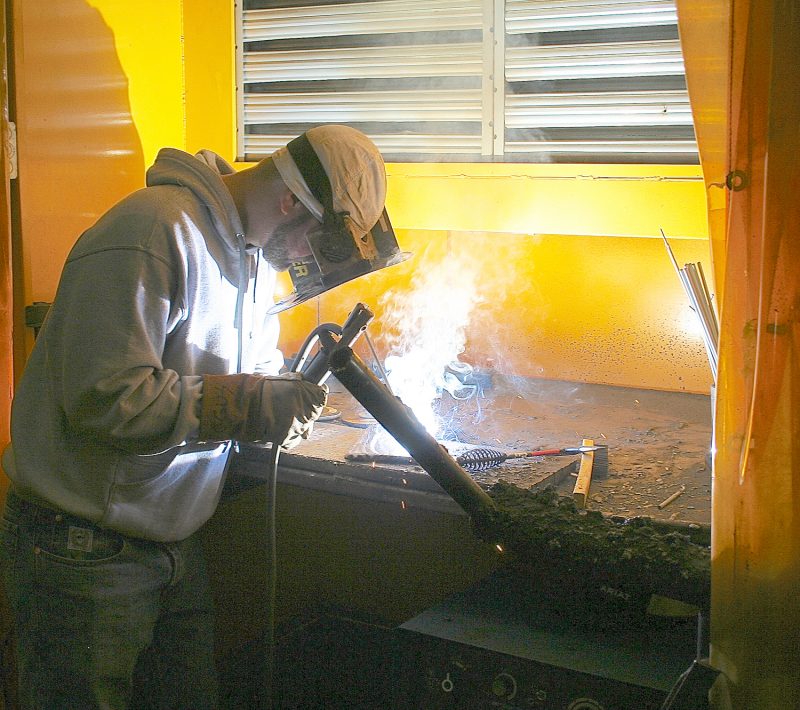
Matt Fogus of Sulphur Springs works on a project in his structural welding class at the PJC-Sulphur Springs Center welding shop. For information about upcoming welding classes, call 903-885-1232.
Local Man Returns to Prison a Second Time in Plea Agreement
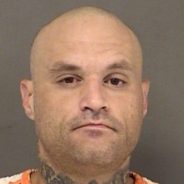
 William Ray Cadle pled guilty to Delivery of a Controlled Substance Penalty Group 1, more than 1-gram but less than 4-grams and received a 5 year sentence in the Texas Department of Criminal Justice Thursday in Eighth Judicial District Court, according to Clay Harrison, Assistant District Attorney.
According to Harrison, if Cadle commits a felony in the future, he will be sentenced to 25-years to life due to the fact he will now have been in prison twice.
Following two separate purchases in which a quantity of methamphetamine was sold, the Special Crimes Unit arrested Cadle, 36, of Sulphur Springs in August, 2017. The arrest followed an investigation over a period of time in which purchases of more than 1-gram but less than 4-grams of meth were purchased. He had arrests for other drug related charges dating back to 2007.

Wildcats Face Frisco Lone Star Friday Night at Princeton

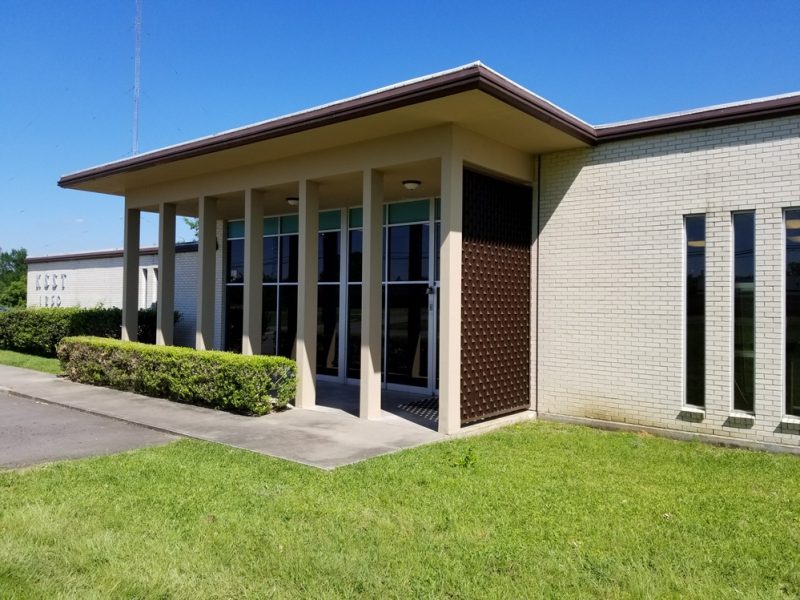
Wildcats Basketball Coach Clark Cipoletta has spent a lot of time watching tapes of Frisco Lone Star since the Wildcats found out late Tuesday night that they would be playing the Rangers in an Area game Friday at 7 p.m. at Princeton. The game will be heard on KSST radio and ksstradio.com stream with video replay on Suddenlink Cable Channel 18.
Coach Cipoletta said the Rangers are very athletic. He said they have had some injuries this season but he added they appear to be healthy now. Coach Cipoletta said the Rangers like to play at a fast pace and will occasionally press and trap. Coach Cipoletta has been impressed with Frisco Lone Star’s 6-foot-5 junior guard Isaiah Lewis. He added there is a nice supporting cast around Lewis. Lewis is averaging 12.4 points per game to lead the Rangers.
As for keys for the Wildcats, Coach Cipoletta said they need to limit dribble penetration by Lone Star, prevent second chance points and contest all shots. Coach Cipoletta said the Rangers shoot a lot of threes. He said they have some streaky shooters.
Coach Cipoletta was quite aware that the Area game was where the season ended last year for the Wildcats. The Wildcats lost in overtime to Carrollton Creekview, 67-64. He said he still has a salty taste in his mouth from that loss.
Coach Cipoletta said the Wildcats were new to the playoffs last year. He said he feels they are much more prepared for the big games this time around.
The Wildcats come into Friday’s game ranked #13 in the state with a 29-4 record. The Rangers are 20-12 for the season and they come into Friday’s game with an 8 game winning streak.

Wildcats Baseball Outscores Tyler Lee but Not Lindale in Rose City Classic Thursday

The Wildcats opened the regular season with a win and a loss at the 27th Annual Rose City Classic in Tyler Thursday.
The Wildcats came from behind to win their opening game Thursday morning, 7-4 over host Tyler Lee. Lee led 2-1 after one inning and 4-3 after three innings. The Wildcats scored the games last 4 runs to come from behind.
Playing a second game right after the first, the Wildcats lost to Lindale, 9-6. The Wildcats are 1-1 for the season.
They will play Amarillo Friday at 4 p.m.
The Wildcats also have back to back games Saturday. They will face Waxahachie Saturday at 10 a.m. And then play Forney at noon.
All games are being played at Mike Carter Field in Tyler. It features artificial turf with dirt areas only around bases and for the mound.

Lady Cats and Coaching Staff Named to District 16-5A Girls Basketball All-District

All eight members of the Lady Cats’ basketball team and their coaching staff were mentioned on the District 16-5A Girls Basketball Team. The Lady Cats also earned two superlatives.
Senior Kaylee Jefferson was selected as the co-Player of the Year along with junior Antonia Porter of Texas High. Sadavia Porter was chosen as the district’s Offensive Player of the Year.
Junior Autumn Tanton was named to the All-District First Team. Senior Imani Taylor and junior Danielle Godbolt were chosen for the All-District Second Team.
Earning Honorable Mention recognition were senior Jamia Hall, junior Te’Arria Rose and junior Tareyla Kelley.
Lady Cats Coach Jeff Chapman and his assistant coaches were named co-District Staff of the Year along with Texas High Coach Craig Collvins and his assistant coaches.
The players were selected Wednesday. Coaches nominate their players but they are not allowed to vote for their own players.