Do Well Be Well with Diabetes




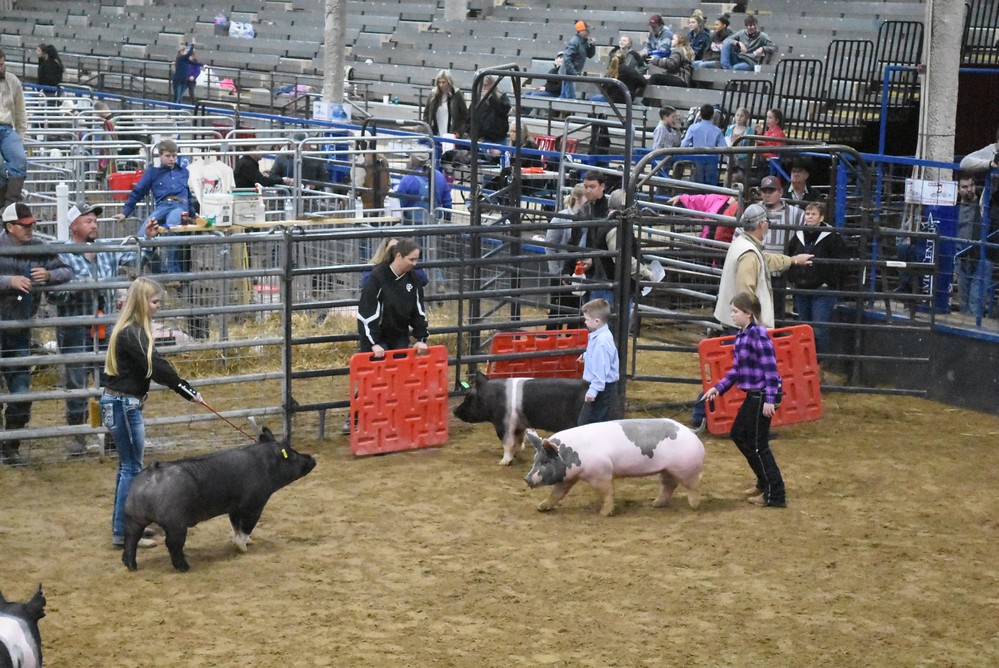
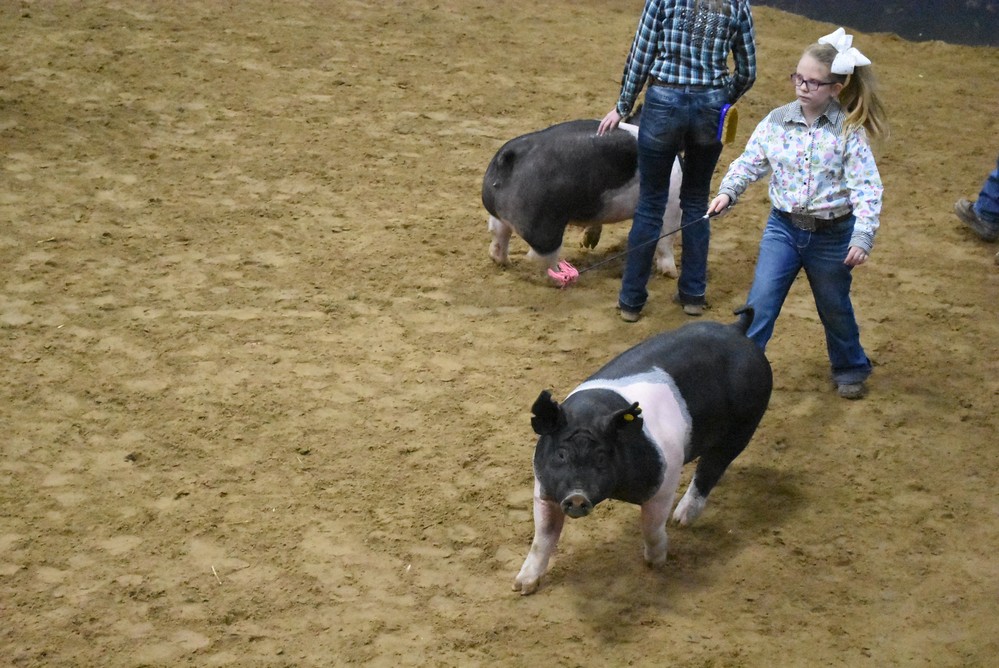
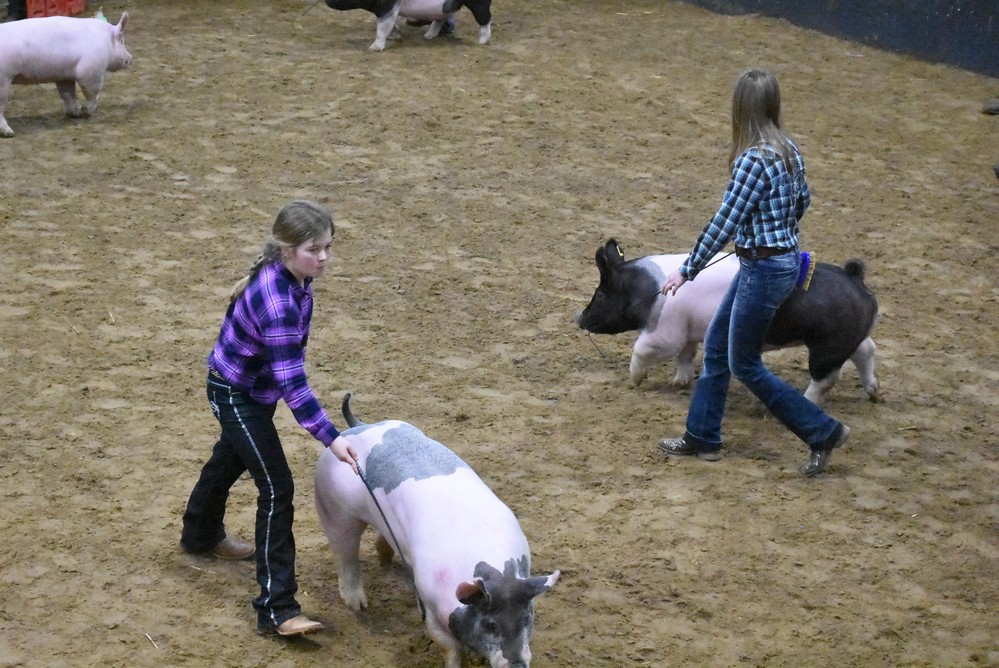
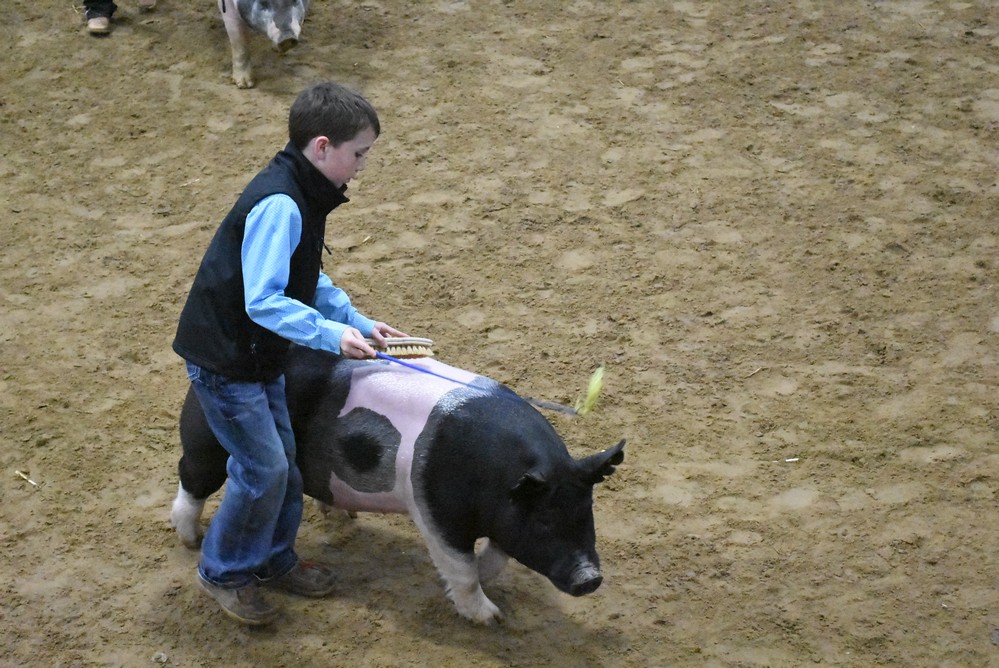
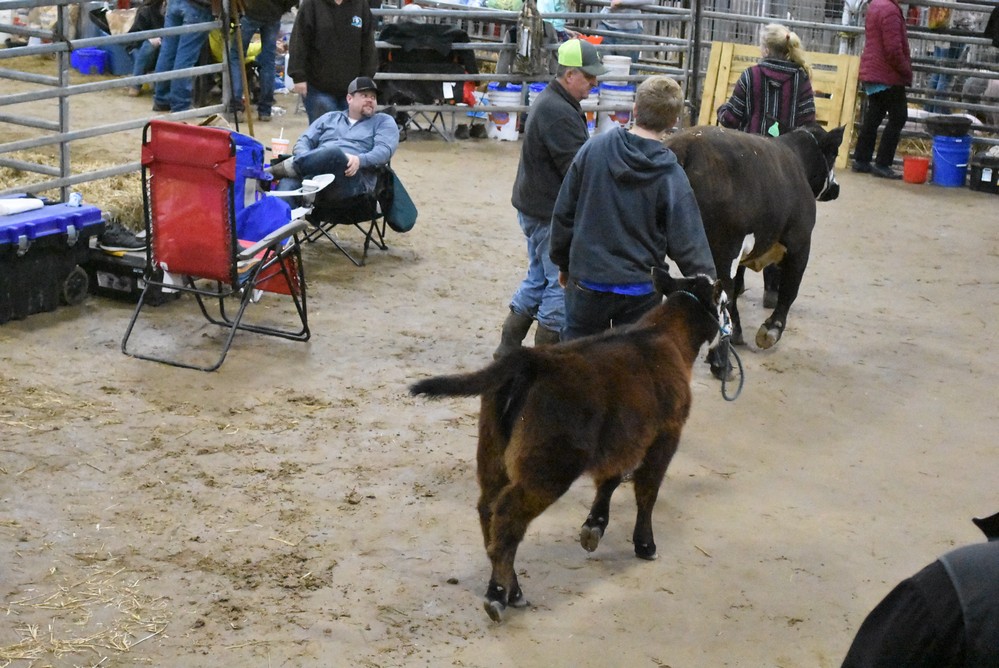
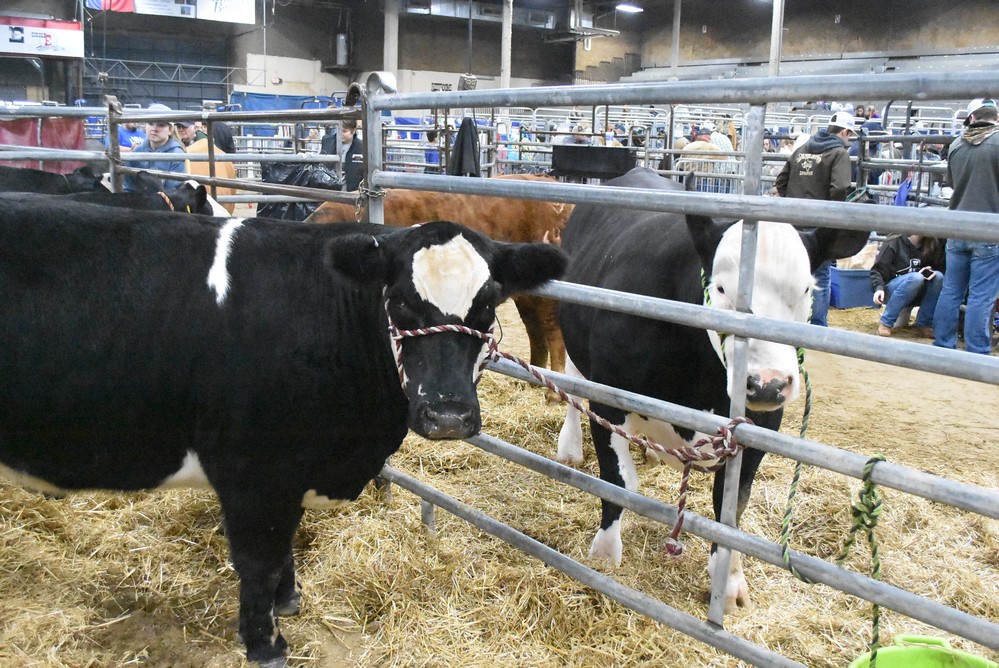
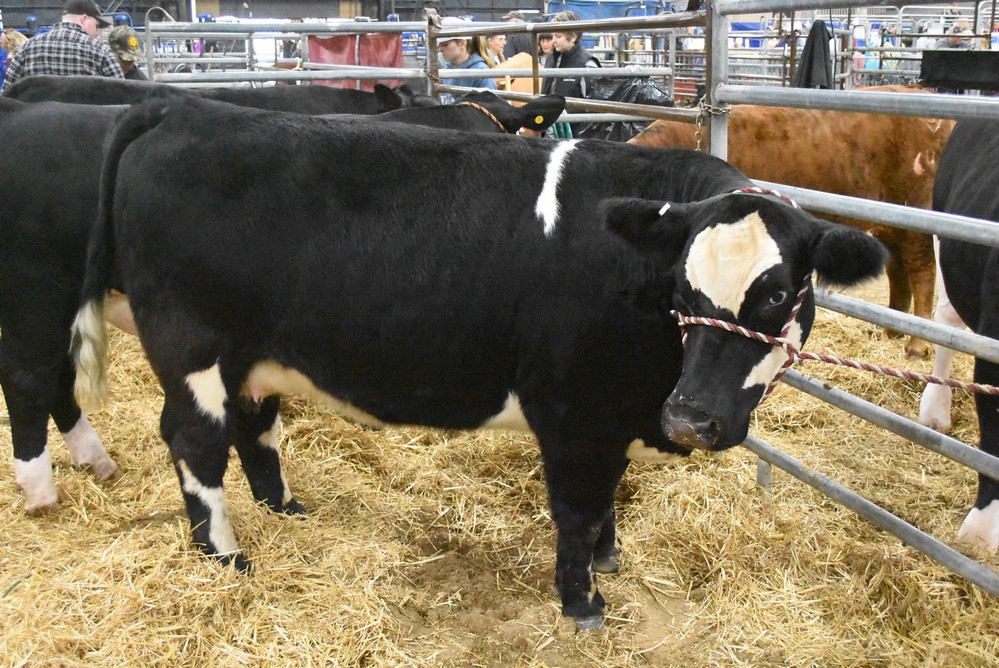
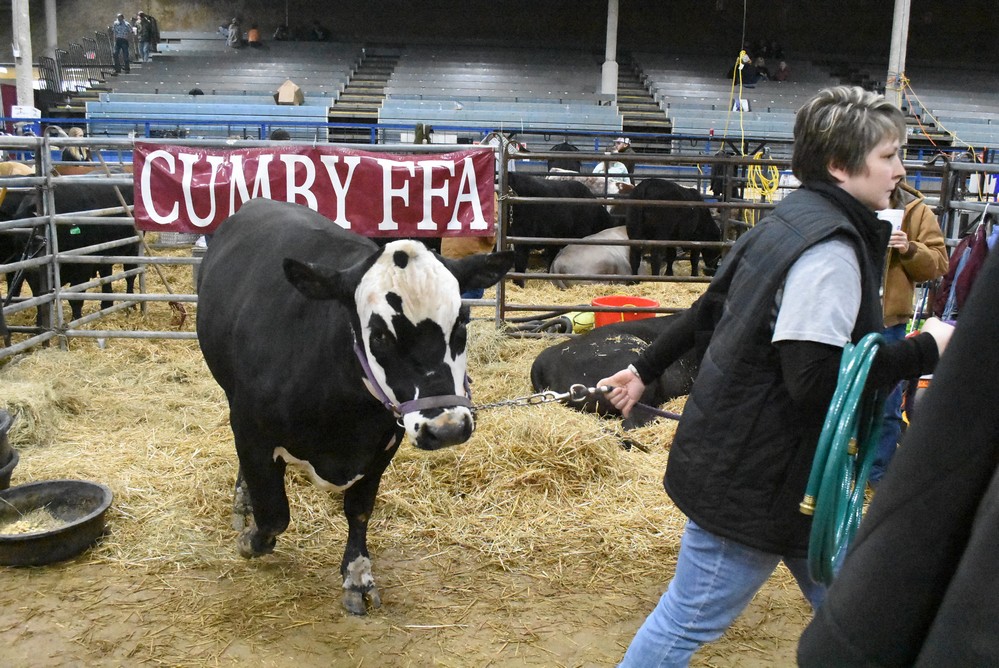
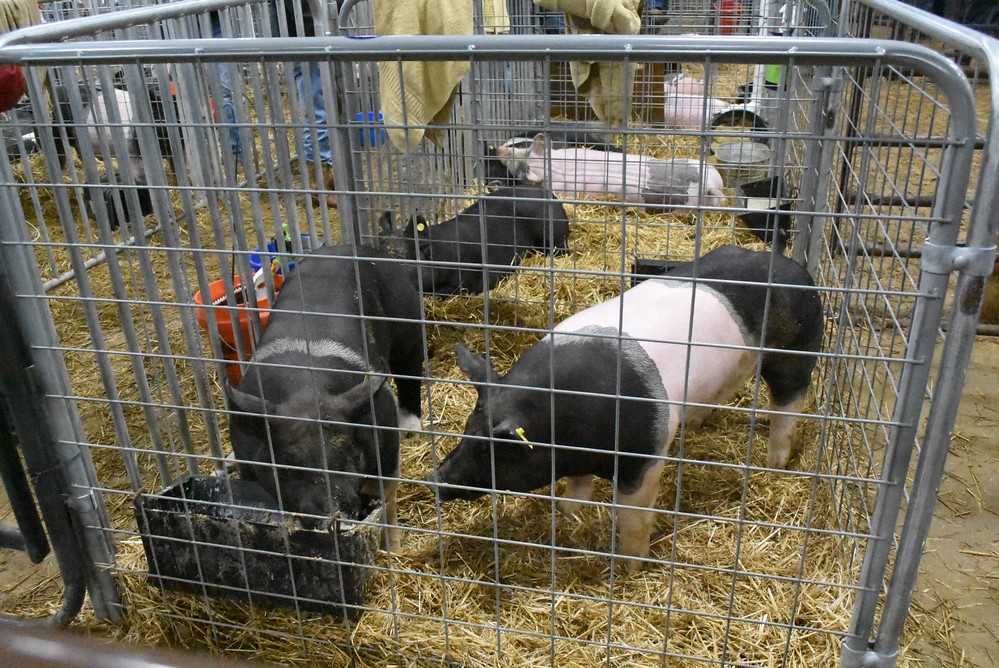
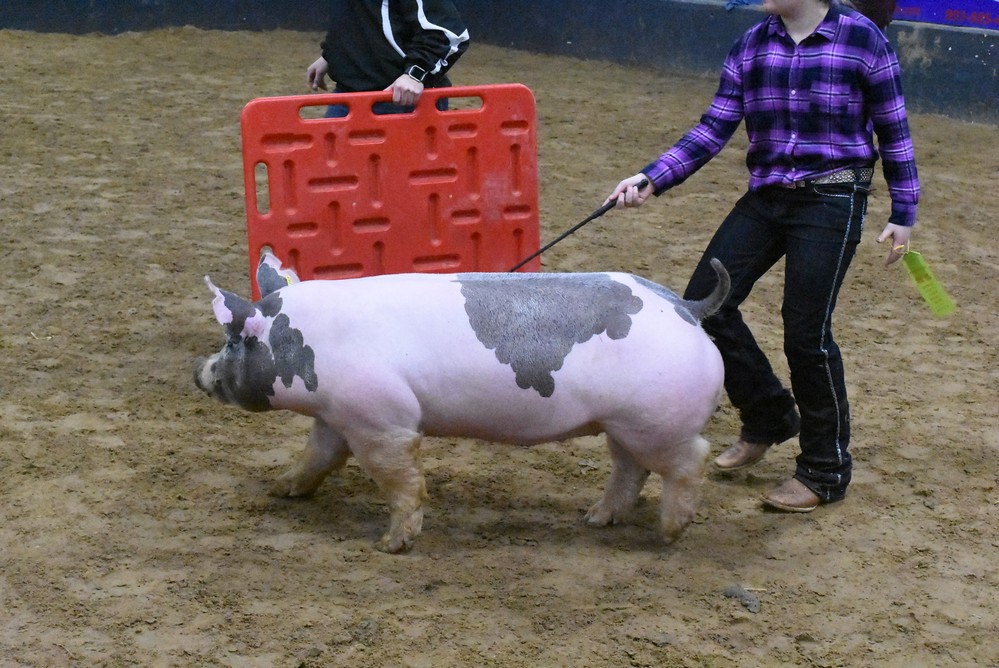
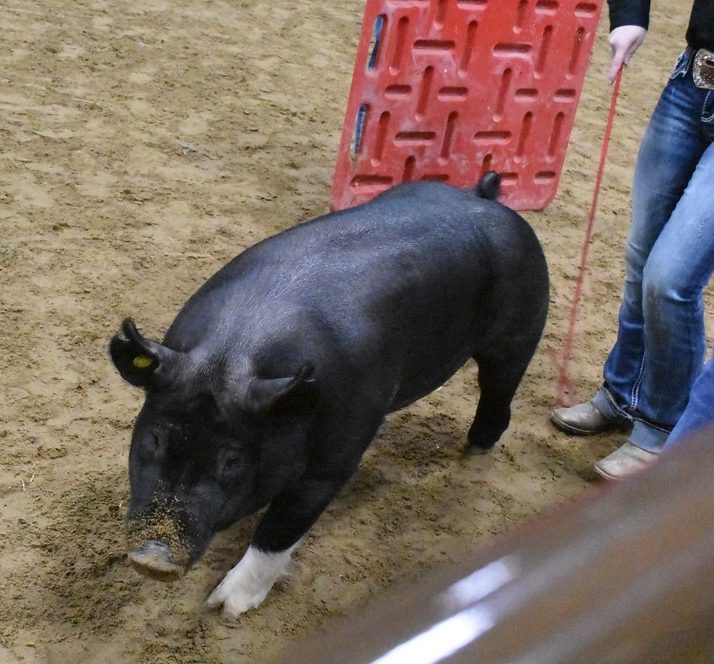
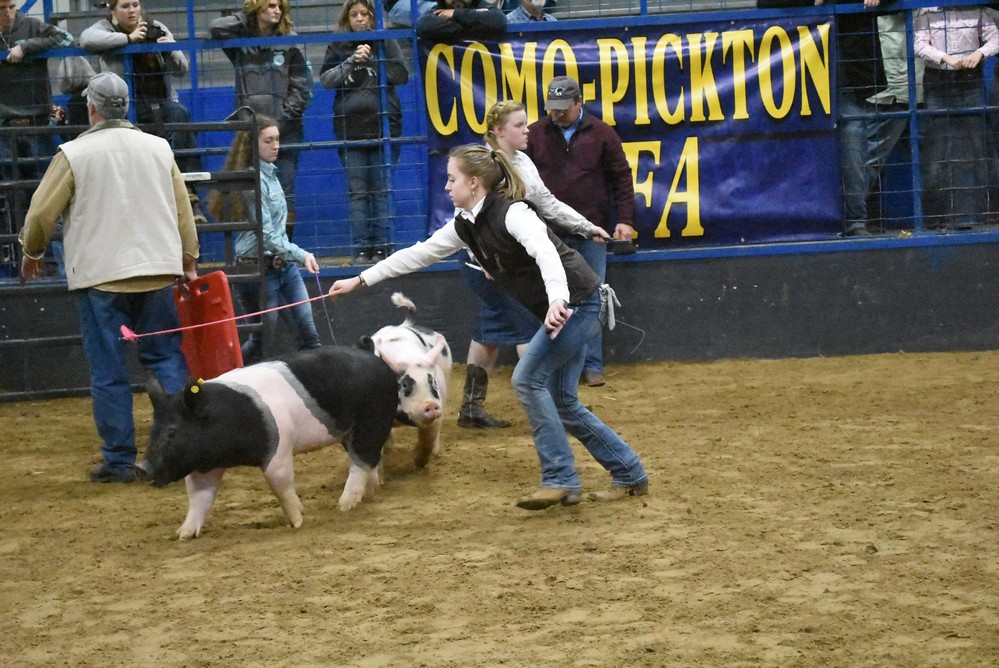
Photos from the Hopkins County Junior Livestock Market Show 2018
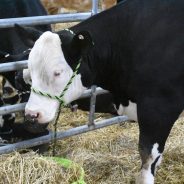
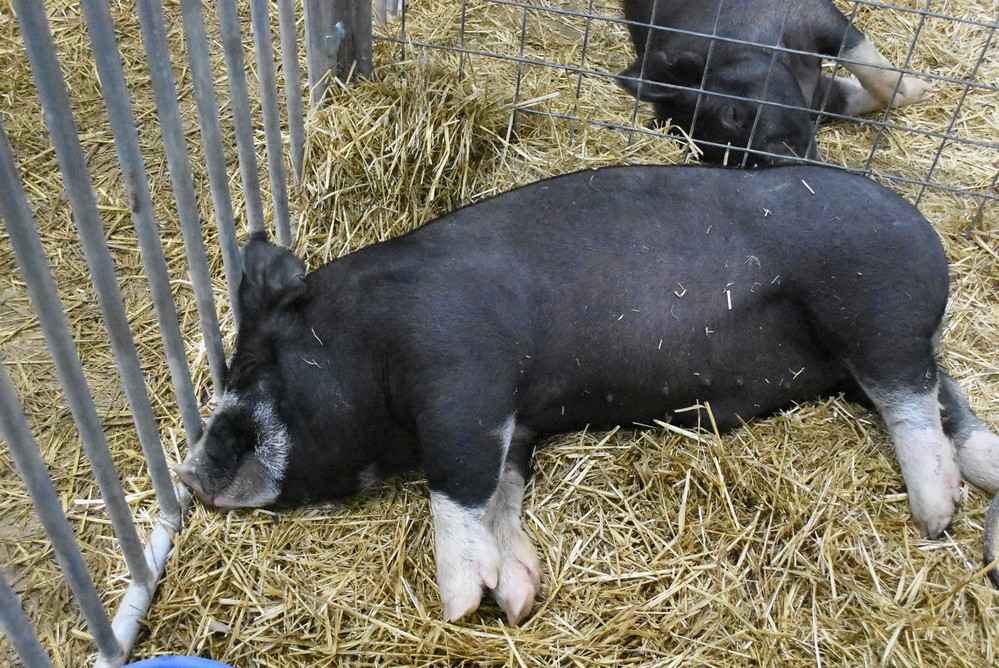
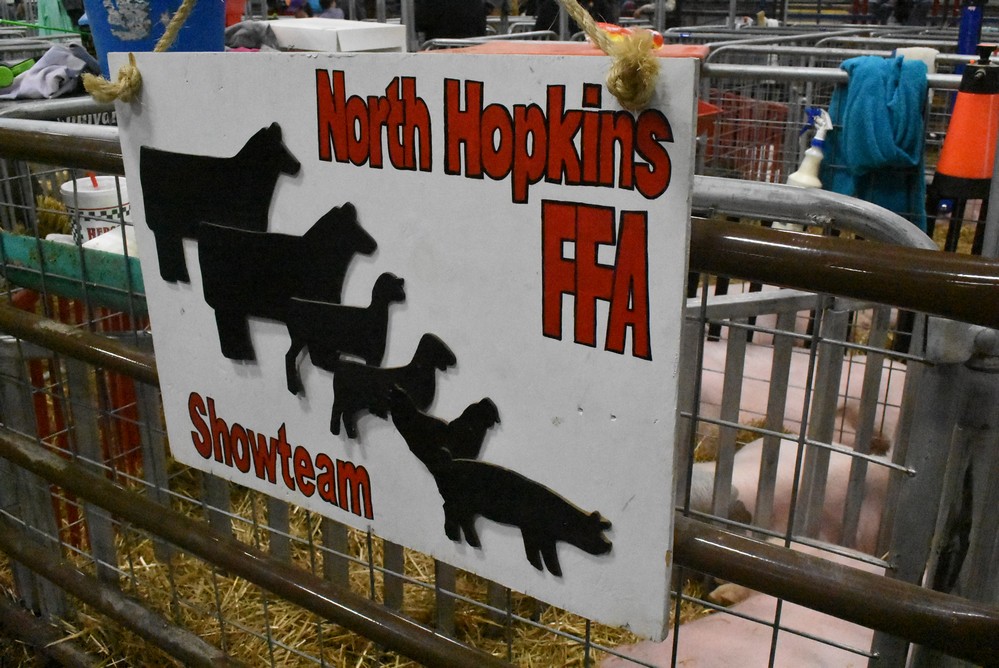
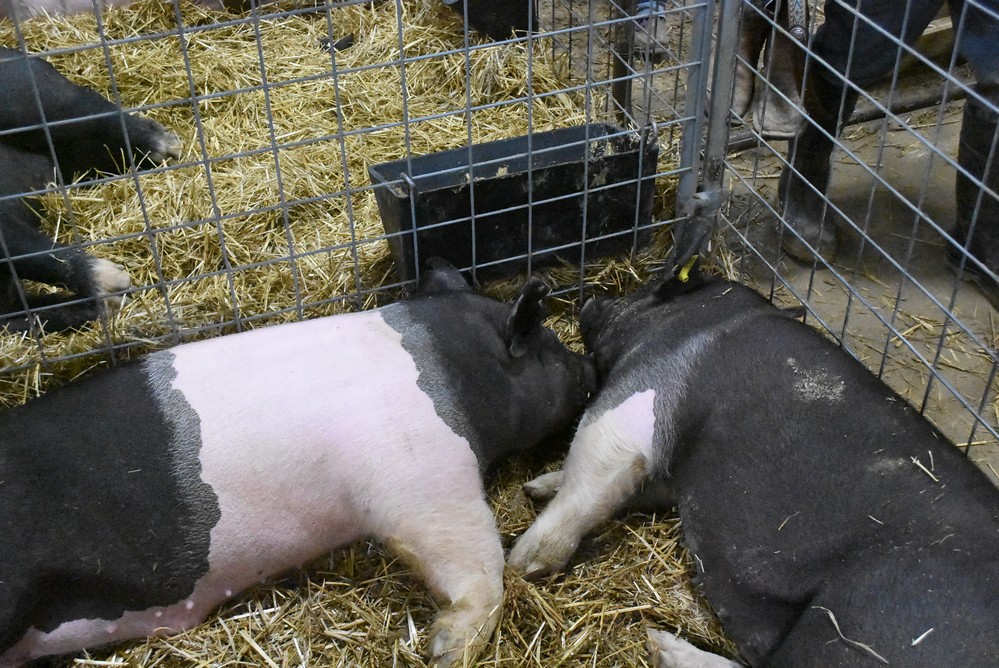
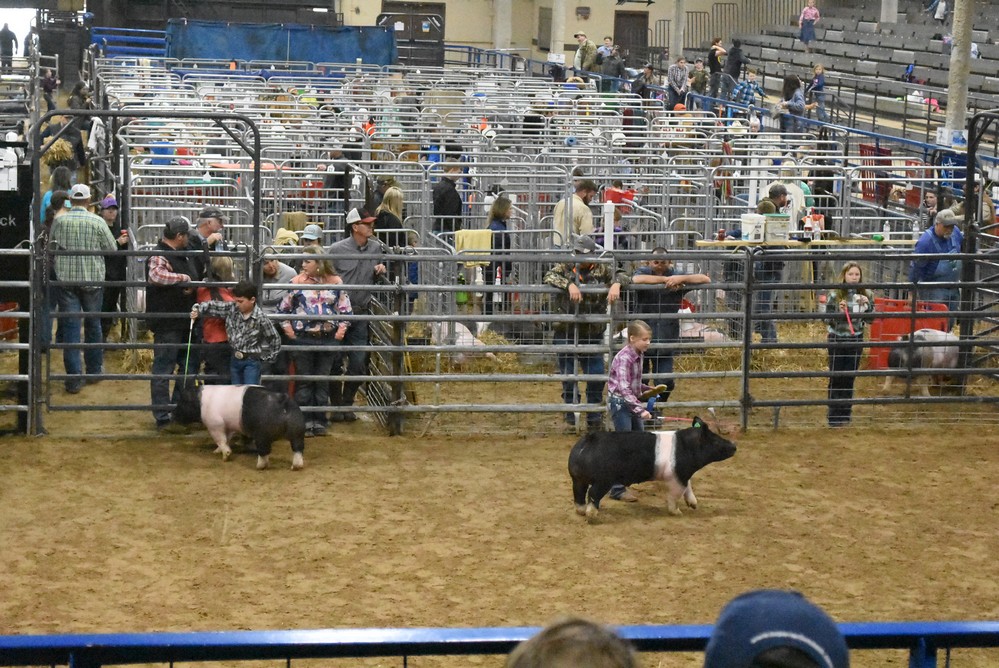
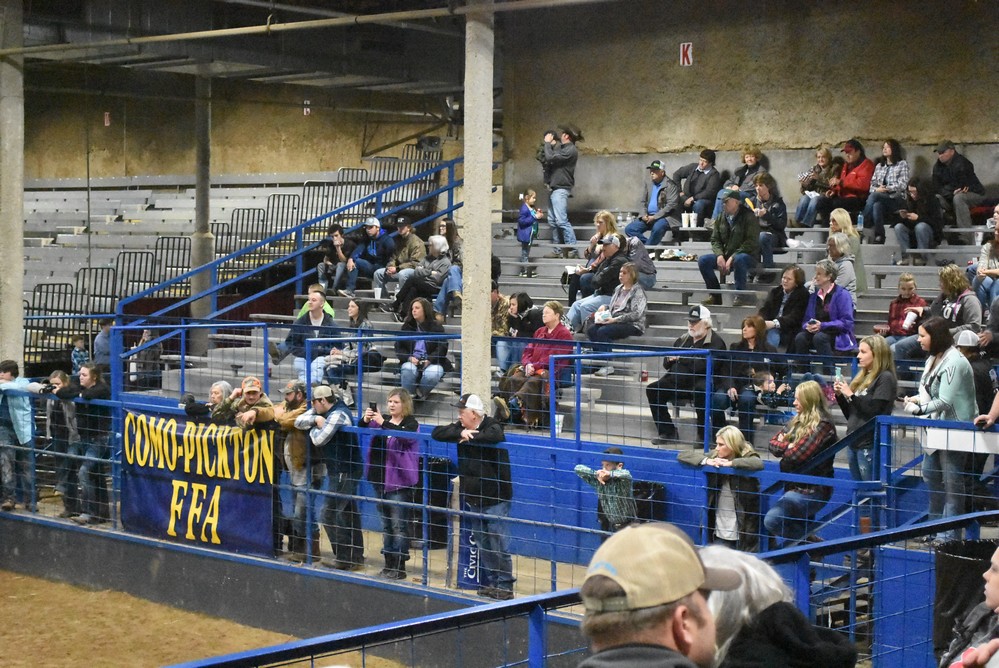
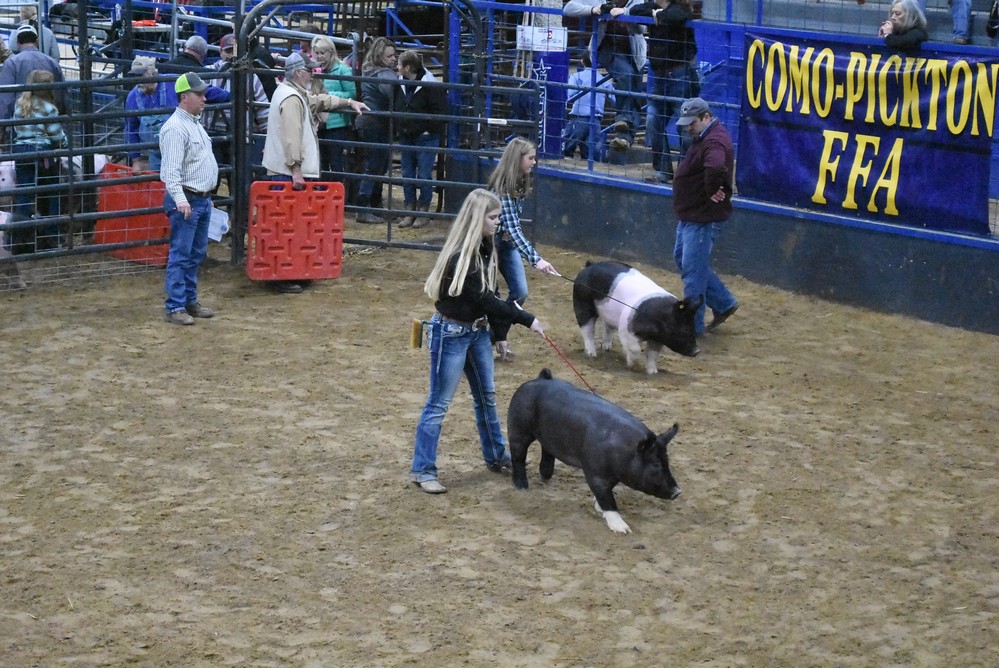
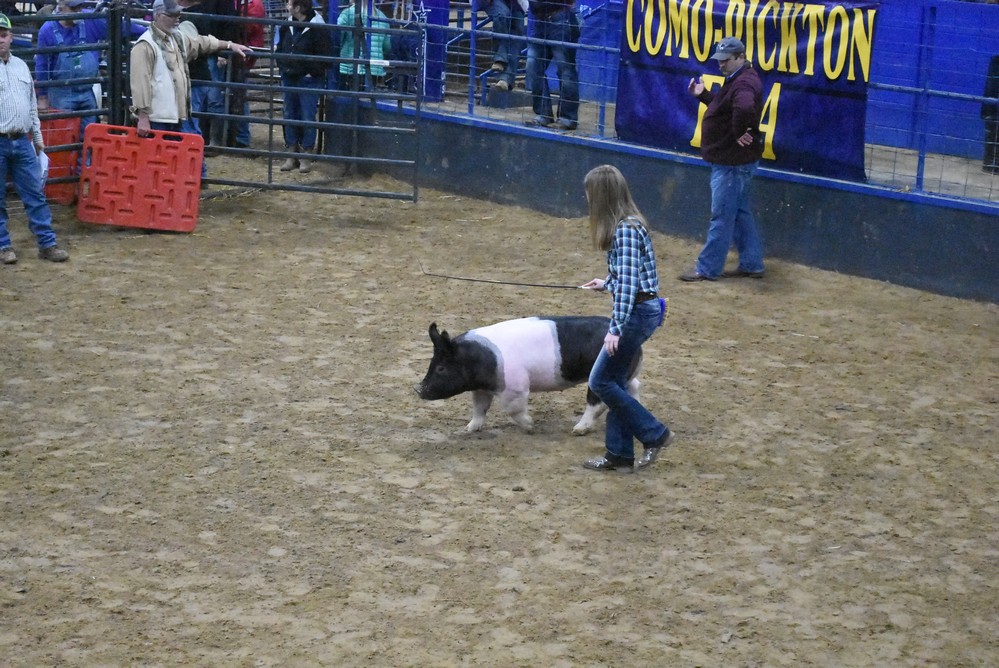
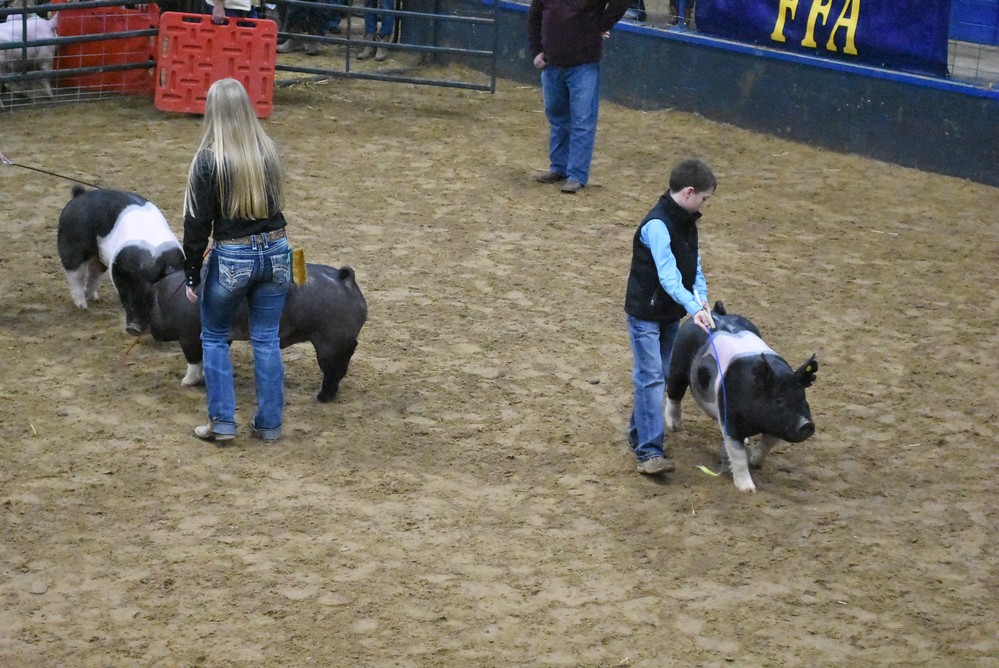
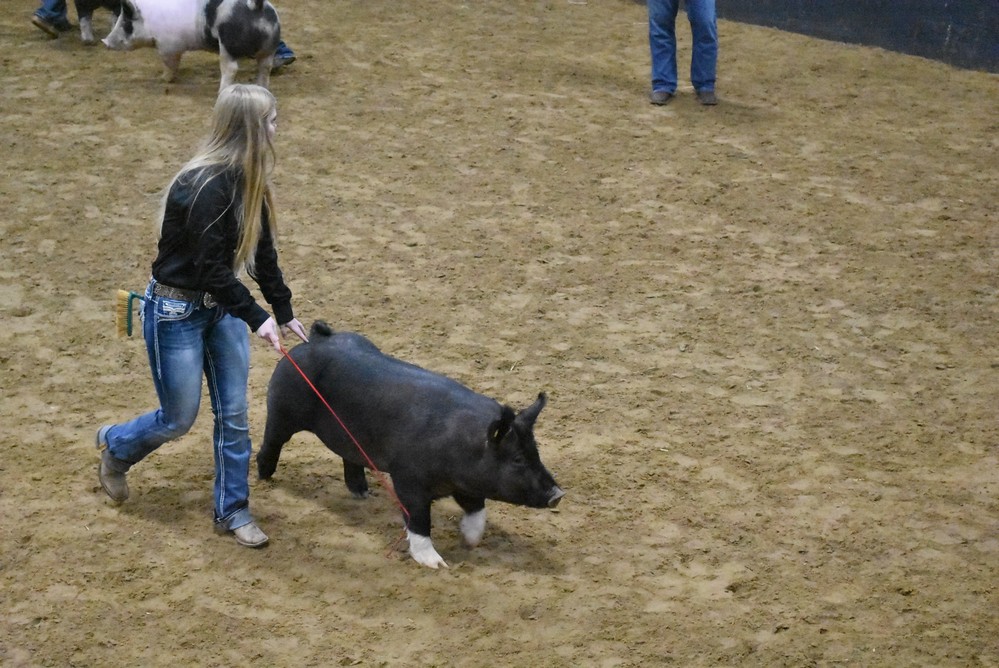
Lots of supporters were out to watch the Hopkins County Junior Livestock Market Show, on Friday, Feb 23rd, 2018. Students of all ages from schools and organizations such as North Hopkins FFA, Cumby FFA, Sulphur Springs FFA, Miller Grove FFA, Sulphur Bluff FFA, Hopkins County 4-H with animals ranging from Chickens to pigs to cows to goats and lambs. The students were put into classes based on ages of the animals and would showcase their livestock. After all the class-members had presented, the Judges would announce the placing and pass out ribbons. KSST will continue to provide updates on the placings and sales.
Concessions such as popcorn, muffins, cotton candy, drinks and more were sold to benefit the 2019 project graduation for the Sulphur Springs Junior Class. The Livestock show will continue this weekend at the Civic Center, and is open to the public.
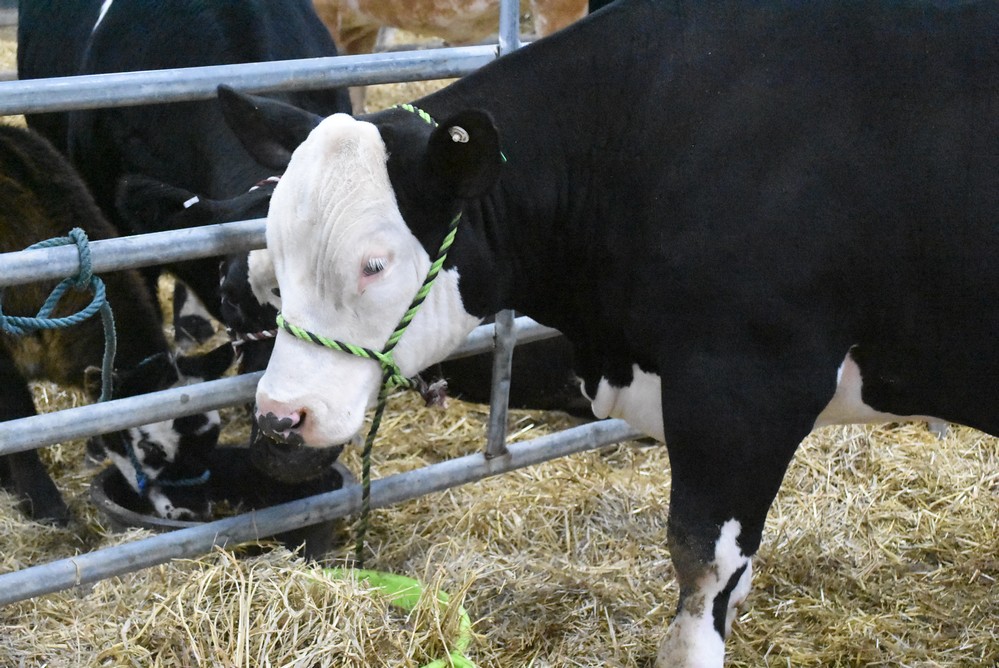


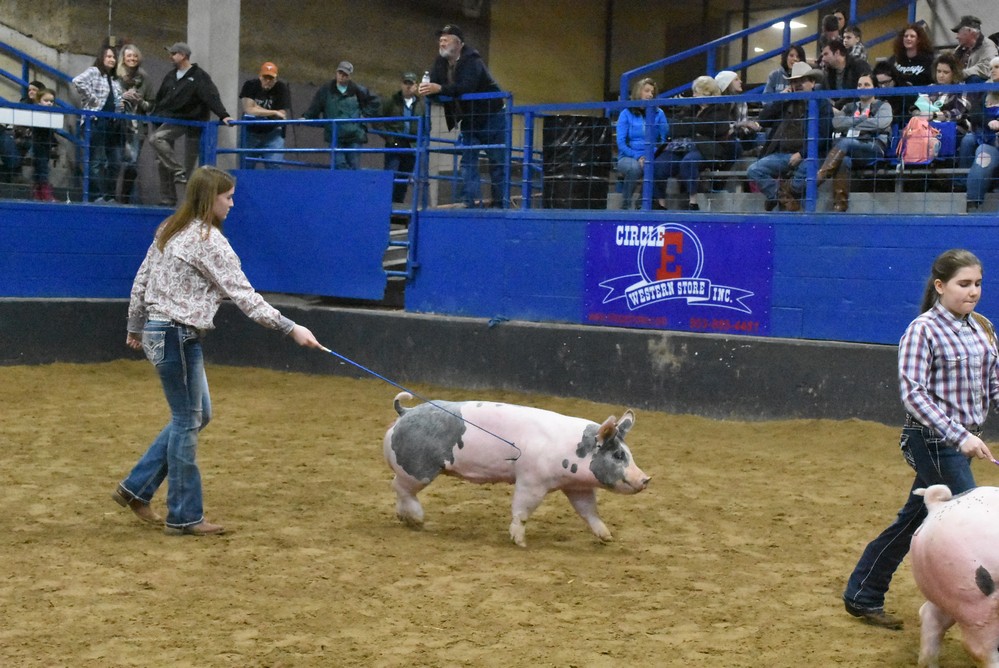
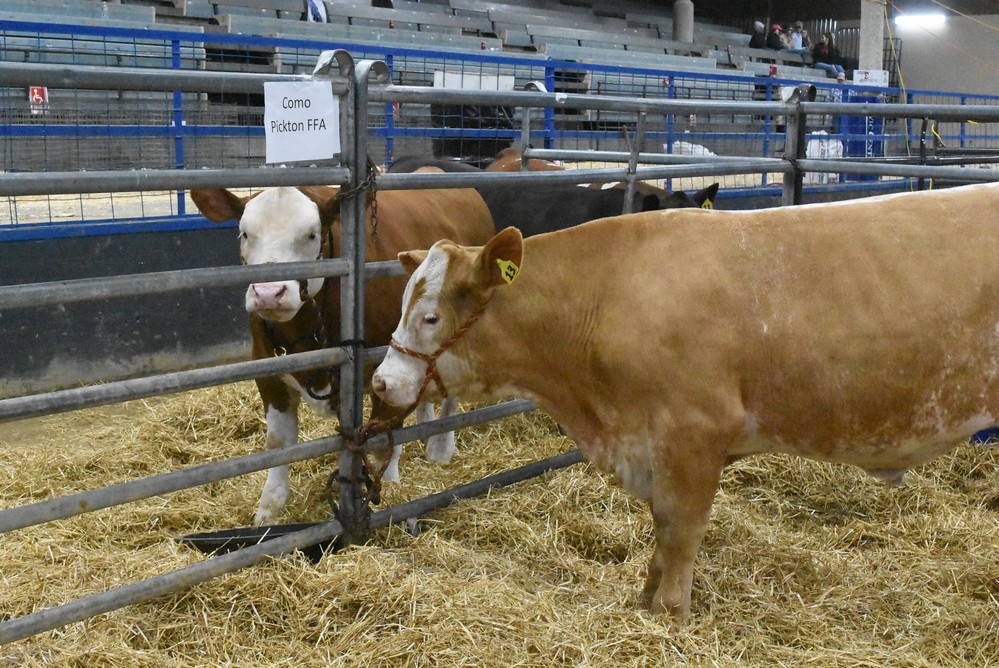
Wood Shows Grand Champion Goat at Junior Market Show
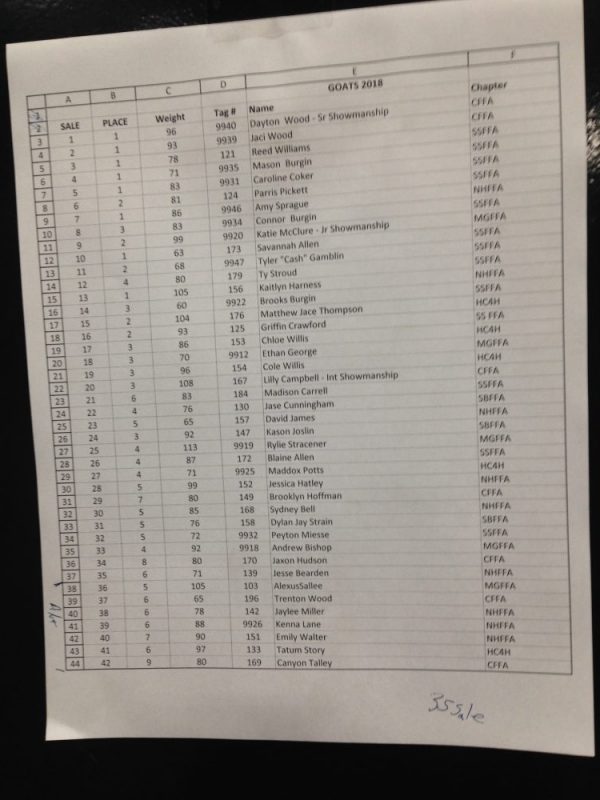
Seventy (70) Goat Projects were entered in the Hopkins County Junior Market Livestock Show at the Regional Civic Center Arenas Thursday. Dayton Wood of Cumby FFA won Grand Champion and. Jaci Wood of Cumby FFA won Reserve Champion.
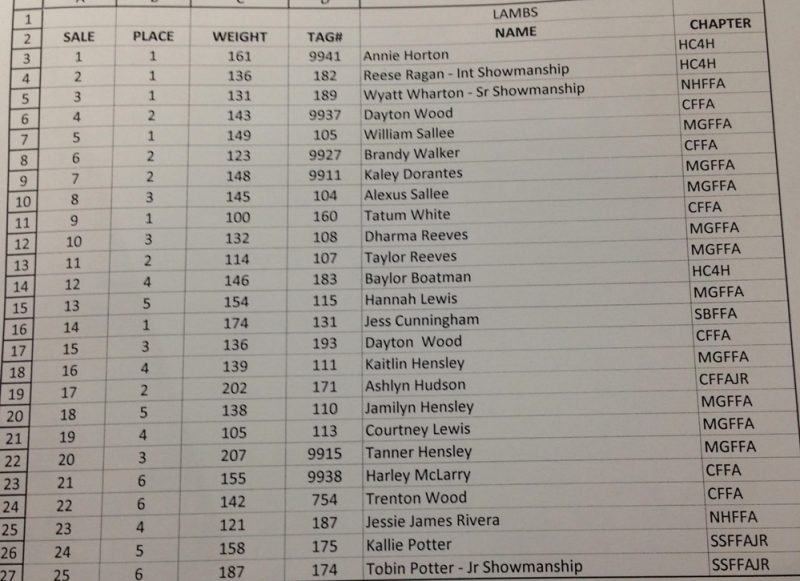
According to Brad Johnson with NETLA, 35 made the Sale. The list is in the photo below:
Lamb Projects Make Junior Market Sale of Champions

Hopkins County Junior Livestock Market Show began Thursday as 43 Lamb projects were shown by Hopkins County 4-H youth and FFA students. Twenty-two (22) of the projects made the Sale of Champions to be conducted Saturday at the Hopkins County Regional Civic Center Arena.
Grand Champion Lamb was shown by Annie Horton, Hopkins County 4-H. Ragan Reese, Hopkins County 4-H, showed the Reserve Grand Champion.
Lamb Showmanship awards were presented to Wyatt Wharton, North Hopkins FFA, Reese Ragan, Hopkins County 4-H, and Tobin Potter, Sulphur springs FFA.
Those students making the Sale of Champions, according to information provided to KSST, include:
PJC Receives Safety Award and Scholarship for Student

Paris Junior College was recognized recently for having the best three-year loss ratio in 2016-2017 by Claims Administrative Services (CAS), Inc., which presented PJC with a scholarship for a PJC student and a safety award. This is the second year in a row PJC has received both from CAS.
“We are so pleased to have been recognized again for having the best safety record among the CAS colleges,” said PJC President Dr. Pam Anglin. “It is so rewarding to know that our employees’ diligence in performing their jobs results in a financial reward for a selected student.”
The Annie Ozella Jones Memorial Student Scholarship recognizes the love she had for children and her love for education. With her life dedicated to the education of children, her goal was to give each child she taught the drive to learn more. Ozella Jones taught thousands of children during her 25 years in education at the New Boston Independent School District in New Boston, Texas. She pushed each student to take that extra step to learn more and was deeply committed to higher education and to seeing every student reach his or her potential.
CAS also has a deep commitment to continuing education and established the scholarship fund in the name of Ozella Jones for member school districts that excel in reducing employee injuries. The scholarships are presented annually to the district and/or college committed to having the lowest loss ratio, most improved loss ratio, and best three-year loss ratio. The college will choose the student to award the scholarship. Recipients are encouraged to take that extra step to learn more and, as Ozella Jones would say, “learn even more.”
PJC has also received the Billy E. Hibbs Safety Award. When the CAS worker’s compensation program for independent school districts was first being conceptualized, Billy Hibbs and his executive management team recognized that strict adherence to a comprehensive loss control program would benefit everyone.
Personnel would benefit from a safer work environment, and the employer would have less absenteeism from injuries. Losses to the insurance company would decrease, creating a situation where the premiums for worker’s compensation would fall. This would make the price of the coverage much more affordable for the school district or college, and ultimately the taxpayers.
For over 26 years, the CAS program has achieved extraordinary success, so much so that it is the benchmark for worker’s compensation models across the state of Texas. Those district and college leaders who operate the very safest districts in this program are recognized annually by this award.
CAS has provided workers compensation, medical cost containment, and associated risk services to schools, colleges, cities, counties, and public entities in Texas, Oklahoma and Louisiana.

Rain Didn’t Dampen Enthusiasm at the First February NETBIO Sale
A lot of rain didn’t dampen the enthusiasm of the sellers and buyers at the first February Northeast Texas Beef Improvement Organization (NETBIO) sale Wednesday.
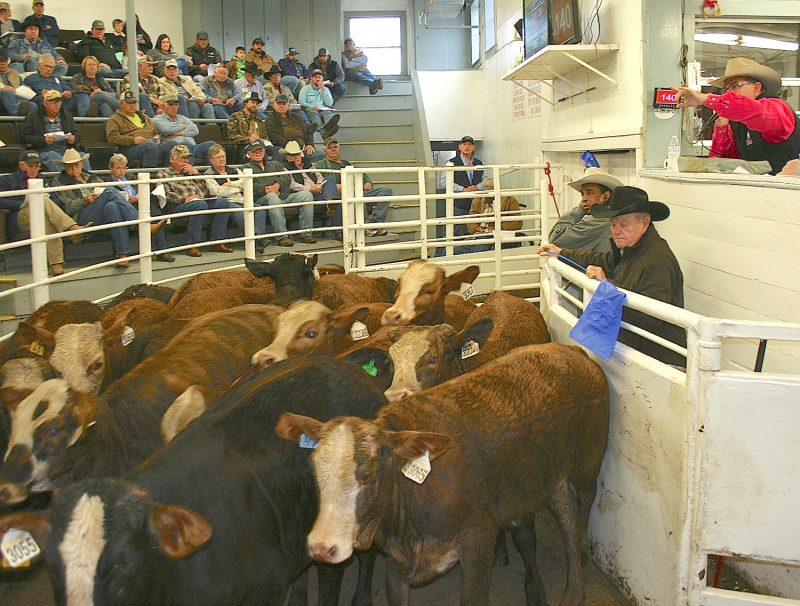
TIGERSTRIPES This group of Tigerstripe heifers drew a lot of bidding activity at the NETBIO Sale held Wednesday at the Sulphur Springs Livestock Commission. Auctioneer Joe Don Pogue keeps up with the bidding that was also coming in via the Internet.
A total of 208 sellers were able to deliver 4,665 head of cattle to the sale at the Sulphur Springs Livestock Auction market. The cattle held up well in all the bad weather, but it made handling the cattle a little difficult for the cowboys working the sale.
The demand was very good for all weights of cattle as 29 buyers, including several on the Internet, purchased all the cattle. Most of the purchases were going to feed yards in Kansas, Colorado, Oklahoma and Texas. Internet bidding was particularly active throughout the sale. Buyers paid an average of $886.63 per head.
Sulphur Springs Livestock Commission co-owner David Fowler said he was pleased with how the first ever February NETBIO sale went despite the bad weather. “NETBIO member-producers had some nice pre-conditioned cattle ready to sell and the market was good for a February sale,” he said. “We can always depend on the NETBIO producers bringing quality cattle to the market, and that’s what they did for this sale.”
The NETBIO Pre-Conditioned Stocker and Feeder Calf Sale gives producers a market to offer their pre-conditioned calves and yearlings in load lot quantities. It is the marketing arm for members of the organization, and eight sales are held throughout the year.
The next sale will be held at the Sulphur Springs Livestock Commission on Wednesday, March 21, starting at 1 p.m.. The weaning deadline for calves consigned to that sale was Feb. 4, and the last date for the booster shots was Feb. 19.
UBER: Ridesharing Arrives in Hopkins County
Uber, the original ridesharing service, began 8 years ago. The initial service areas were confined to the largest urban areas for obvious reasons. Residents of Hunt County have had Uber for several months now, but until this week the service ended at the Hopkins County line.
KSST Radio can verify that at least 1 Uber driver is registered and accepting clients in Hopkins County. The first Uber fare in Hopkins County was a round trip from the Best Western Hotel, to the Downtown Dining District. Three businessmen traveling from Arkansas to Grapevine, TX made and overnight stop in Sulphur Springs, TX. They were thankful to have the service, one mentioned that Uber probably saves lives by preventing drunk driving.
It’s easy to get an Uber ride, just download the Uber app to your smart phone. After you create an account and link up a credit card, you are ready to go. You may even qualify for a first ride discount, or possibly a free ride to help welcome you to the service.
Folks landing at SLR will now have the chance to visit all areas of Sulphur Springs. And people wanting a ride to DFW can use Uber to get there.
Senior Citizens who can’t drive now have another option to get out and around.

PJC-Sulphur Springs Balloting for Mr and Miss PJC Underway


MR AND MISS VOTING The balloting for Mr. and Miss PJC is underway and these PJC-Sulphur Springs Center students are making their voting choices. From left are Sydnee Hawkins, Gideon Gregory, Luke Kilgore and Kiran Scheiber, all of Sulphur Springs. Winners will be crowned during halftime of the Dragon basketball game on March 3. #PJC #ksst1230am
Livestock Preparedness & Recovery By Mario Villarino
Recent precipitation has triggered several emergency-response mechanisms county-wide . According to David W. Smith, Extension Safety Program Specialist, recent agricultural statistics ranks Texas number one in livestock (cattle and calves) production with more than 14 million head. This industry contributes nearly 8 billion dollars in cash sales receipts each year to the state. In the event of a major emergency or disaster, personal safety should always come first. However, farmers and ranchers in Texas should also have an emergency preparedness and response plan that protects the safety of livestock and other animals on the farm or ranch. Emergency preparedness is important for all animals, but especially for livestock because of their size, feed requirement, and shelter and transportation needs. The most likely emergency scenario in Texas is flooding. Floods can be “flash” floods that occur very quickly due to intense rainfall, or develop over time from tropical depressions, tropical storms and hurricanes. Flooding can also result from a failed dam upstream of a farm or ranch. Farmers and ranchers should assess the risk of flooding in their particular region and plan accordingly.
Preparing for a Flood
Identify Emergency Resources: In case of a flood situation, have in place an emergency plan to protect your livestock. The emergency plan should include phone numbers of resources you may need before, during and after the emergency, including: Employees, neighbors , veterinarians , Poison Control Center
Animal shelters, County Cooperative Extension, Livestock transport resources ,Feedstock providers in various regions . Make sure to include contact information for resources out of the area as well in case local resources are overwhelmed. Ensure Animal Identification: All livestock should have visible identification numbers, even if you do not plan to transport them from the property. Floods often drive livestock to seek shelter. They often become lost or end up in a neighbor’s pasture.
Restrict Access to Dangerous Areas: When necessary, move livestock to higher ground and deny access to floodprone pastures, barns and other structures. Many livestock drown because they refuse to leave flooded shelters. Make sure that livestock are not able to reenter potentially dangerous areas.
Supply Food and Water: During floods, it’s important that livestock have plenty of food and clean water. The emergency preparedness plan should include contingency options for feeding and watering these animals if existing resources become contaminated by floodwaters. In some cases, it may be necessary to truck in water to livestock holding areas.
Remove Potential Contaminants: Floodwaters often contaminate soils, animal feed supplies, and fresh water sources by carrying chemicals, fertilizers, trash and other debris from their original containers and locations. Where this hazard exists:
- Label hazardous materials and place them in a safe location.
- Remove chemicals, fuels, fertilizers, and other contaminants to higher ground and check containers for leaks.
- Maintain an inventory of all hazardous substances that could be leaked during a flood.
- Remove old buried trash that could leach into crops, feed supplies, water sources and pastures.
- Secure or remove anything that could become blowing debris, including trailers, propane tanks, boats, feed troughs.
Check for Fire Hazards: During floods, farmers and ranchers also need to protect livestock from the threat of fires. Plan to remove all fuels away from the vicinity of barns. Turn off all electrical power to barns and buildings, and other structures that house livestock until the threat of flooding has subsided. Instead, use gasoline or diesel generators that can be transported away from the area when not in use.
Flood Recovery: A key component of any emergency plan should include what steps to take after an emergency to protect you, family members, coworkers, and animals. This is especially true when it comes to livestock. The aftermath of a flood can leave serious hazards that can lead to injury and death.
Common hazards include:
- Contaminated food and water supplies
- Standing, stagnant water
- Mosquitoes
- Livestock carcasses
- Sharp objects transported or blown into pastures
- Sick/diseased animals
- Wild animals displaced by floodwaters
- Damaged barbed wire fences and gates
- Weakened barns and other structures
- Eroded and unstable creek beds
Inventory Livestock: Immediately after a flood event, inventory all livestock and identify any missing animals. Inform neighbors of animals that are lost. Unfortunately, in the chaos after an emergency event, thieves take this opportunity to gather lost animals and sell them as soon as possible. Inform local livestock auction barns in your area to be on the lookout for lost animals that carry your brand or identification.
Remove Hazardous Objects: If it can cut, scrape, gouge or poke, livestock will find it. After a flood, seek out and remove dangerous objects from pastures. Check fences for damage and repair them immediately. Removing these objects not only protects livestock, but protects farm workers and machinery from being injured or damaged when mowing pastures that have grown over and hidden these objects.
Observe Livestock for Sickness : Following a flood, there can be a danger of infectious diseases in livestock. Its important to remove any dead animals as soon as possible and bury them at least three to four feet deep covered with lime. This protects the spread of any diseased animal by wildlife.
- Inspect livestock for wounds and treat them immediately.
- Watch for signs of diseases such as pneumonia, foot rot or leptospirosis.
- Isolate sick animals from the herd and report any sign of disease to your veterinarian.
- Make sure all livestock vaccinations are current.
- Spray insect repellents to protect livestock from increased mosquito and fly populations.
Inspect Food and Water Sources: Check livestock feeds for water damage and contamination. Feeding livestock damaged grains and moldy hay can cause digestive problems in livestock. Do not force livestock to eat feeds or drink water that has been flooded, or that has possibly been contaminated by pesticides or other chemicals. For farmers and ranchers, protecting livestock from the hazards of natural disasters is essential. The suggestions included in this fact sheet are also applicable to other disaster scenarios common in Texas, including tornadoes.
For more information on this or any other agricultural topic please contact the Hopkins County Extension Office at 903-885-3443 or email me at [email protected].

Mario Villarino DVM, Ph.D.
Hopkins County Extension Agent for Ag and NR
1200B Houston Street
Sulphur Springs, Texas 75482
903-885-3443