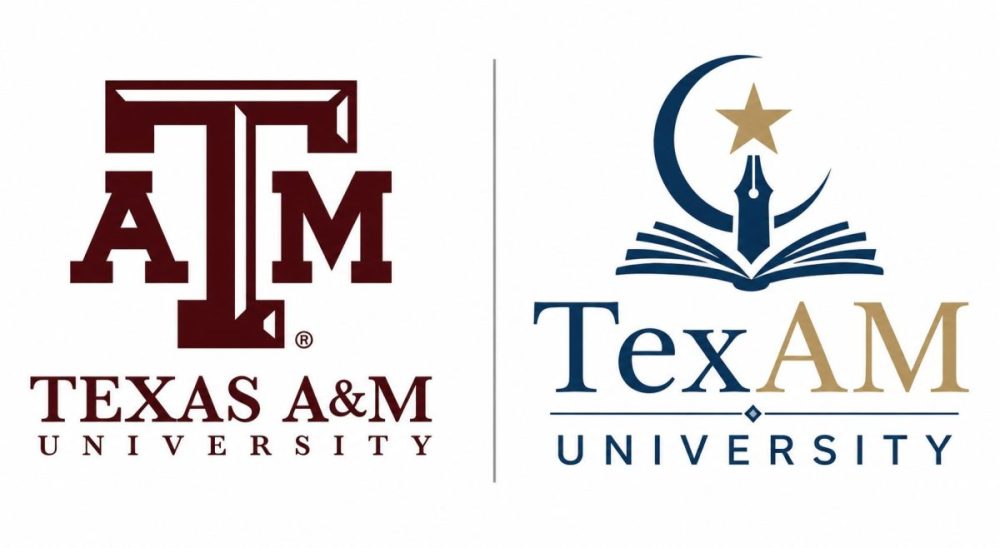
Texas Attorney General Sues “TexAM” Over Alleged Illegal Degree Operations
May 19, 2026 – RICHARDSON, Texas — Ken Paxton has filed a lawsuit against an entity operating as “Texas American Muslim University” (TexAM), alleging the organization unlawfully presented itself as an accredited university and misled prospective students about its legitimacy.
According to the Attorney General’s office, TexAM did not obtain the required certificate of authority from the state to operate as a private postsecondary institution. Despite this, the organization advertised bachelor’s and master’s degree programs, promoted a campus location in Richardson, and recruited students both online and internationally.
State regulators had already taken action prior to the lawsuit. On May 6, 2026, the Texas Higher Education Coordinating Board issued a cease-and-desist order, concluding that TexAM was operating illegally and was prohibited from offering degrees. The agency also warned the organization could face civil penalties.
Further complicating matters, TexAM’s nonprofit corporate charter was forfeited in February 2026 and has not been reinstated, raising additional legal concerns about its ability to operate in any formal capacity.
Branding Dispute With Texas A&M
The lawsuit also highlights a naming and branding issue. Officials say TexAM adopted a name “confusingly similar” to Texas A&M University, one of the state’s largest and most recognizable public university systems.
The Texas A&M University System independently issued a cease-and-desist letter demanding that TexAM stop suggesting any affiliation with the institution.
Legal Claims and Potential Penalties
Paxton’s lawsuit names three individuals associated with TexAM—Shahid A. Bajwa, Bilal Piracha, and Arsalan Shahzad—as defendants. The state is seeking:
- A court order to immediately halt TexAM’s operations
- Injunctive relief preventing future violations
- Civil penalties exceeding $1 million under the Texas Deceptive Trade Practices Act and the Texas Education Code
In a statement, Paxton said the case reflects a broader enforcement effort against unauthorized educational providers.
“TexAM has repeatedly disregarded Texas law, misrepresented its authority to grant degrees, and risked deceiving students about its legitimacy,” he said.
Broader Context: Unaccredited Institutions in Texas
Texas, like many states, has strict rules governing higher education institutions to protect students from fraudulent or unaccredited programs. Entities must meet specific standards and receive state authorization before offering degrees.
Cases involving unlicensed or misleading educational providers are not unique to any one community or sector. Regulators periodically investigate organizations of various backgrounds that attempt to operate outside established legal frameworks—particularly in the online education space, where oversight can be more challenging.
Experts note that enforcement actions typically focus on consumer protection rather than cultural or religious identity. Misrepresentation of accreditation status, deceptive marketing, and unauthorized degree offerings are the primary triggers for legal action.
What Comes Next
If the court rules in favor of the Attorney General’s office, TexAM could face significant financial penalties and a permanent shutdown of its operations in Texas.
The case remains pending, and the defendants have not yet publicly responded to the allegations.