Texas Food Stamp Limits May Hit Convenience Stores Where It Hurts
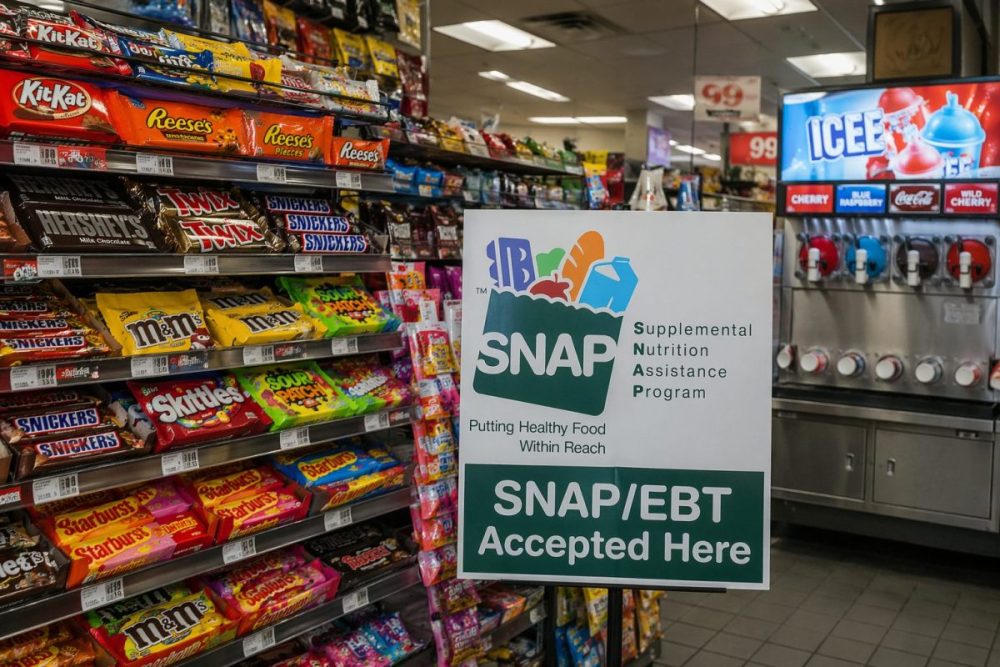
April 18, 2026 – Texas’ new restrictions on what food stamp recipients can buy are beginning to ripple beyond grocery aisles—raising concerns about unintended consequences for small retailers, especially convenience stores that rely heavily on snack sales.
Beginning April 1, more than 3.5 million Texans who use the Supplemental Nutrition Assistance Program (SNAP) can no longer purchase candy or sweetened beverages with their benefits under a state-approved waiver aimed at promoting healthier diets.
While state leaders have framed the policy as a public health measure, early reactions from retailers and analysts suggest the economic impact could be uneven—particularly for convenience stores, where impulse purchases like soda, candy, and snack foods often drive a significant share of revenue.
In many low-income neighborhoods, SNAP dollars make up a sizable portion of sales. Store operators say that when customers can no longer use benefits on high-margin items like sweets and drinks, overall spending may drop—not just on those products, but across the board.
“It’s going to affect businesses greatly,” one grocery worker told local media, noting that snacks and drinks were commonly purchased with benefits.
Convenience stores are especially vulnerable because they typically have smaller footprints and depend on quick, high-frequency purchases rather than large grocery trips. If customers shift spending to larger supermarkets—or cut back altogether—some smaller stores could struggle to stay afloat.
There are already signs of broader stress in the convenience retail sector. Chains like 7-Eleven have announced plans to close hundreds of underperforming locations across North America amid declining foot traffic and changing consumer habits. While those closures are not directly tied to SNAP policy, they underscore the fragile economics facing the industry.
Critics of the SNAP restrictions argue the policy may unintentionally accelerate those pressures. By limiting what can be purchased with benefits, they say, the state risks reducing revenue streams that help sustain neighborhood stores—particularly in rural or underserved urban areas where convenience stores may be the primary food retailers.
Supporters counter that the program was never intended to subsidize junk food and that the long-term health benefits could outweigh short-term economic disruptions. They argue the shift could encourage retailers to stock more nutritious options, aligning with the program’s original mission.
Still, some policy experts warn that transition may not be smooth. Convenience stores often lack the supply chains, refrigeration, or customer demand needed to pivot quickly to fresh or perishable foods.
The result is a policy with competing outcomes: a push toward better nutrition on one hand, and the potential erosion of small retail businesses on the other.
As Texas becomes one of the first states to implement such sweeping SNAP restrictions, regulators and lawmakers will be watching closely to see whether the effort reshapes consumer behavior—or reshapes the retail landscape itself.