Half of Planned U.S. Data Centers for 2026 Delayed or Canceled Amid Grid, Supply Chain, and Community Pushback
April 23, 2026 – A wave of delays and cancellations is reshaping the U.S. data center buildout for 2026, with industry analysts estimating that roughly half of planned facilities will not come online on schedule. The slowdown is raising concerns across the artificial intelligence sector, which depends heavily on rapid expansion of computing infrastructure.
According to industry tracking cited by analysts at Sightline Climate, data centers representing as much as 12 gigawatts of new power demand were announced for completion this year. However, only about one-third of those projects have actually broken ground, underscoring a widening gap between ambition and execution.
A system hitting multiple bottlenecks
The reasons behind the slowdown are stacking up. Developers are facing prolonged supply chain delays for critical electrical and cooling components, many of which are still heavily dependent on overseas manufacturing. Firms report sourcing equipment from countries including Canada, Mexico, South Korea, and China, adding complexity and time to already long construction cycles.
At the same time, the domestic electrical buildout has struggled to keep pace. Power transmission upgrades, substation expansions, and interconnection approvals are all emerging as major chokepoints in bringing new AI-focused facilities online.
Crusoe, a data center infrastructure company, noted that grid constraints can determine whether projects succeed or stall. “They can make or break a project,” a company executive told Bloomberg, pointing to long lead times for electrical infrastructure as a growing limiting factor.
Local resistance and resource pressure
Beyond industrial bottlenecks, many projects are encountering resistance at the local level. Rural communities that have become targets for large-scale data center campuses are increasingly pushing back over land use, water consumption, noise, and strain on local power grids.
Data centers require significant physical resources—not just land and electricity, but also large volumes of water for cooling systems. In some regions, these demands are colliding with existing agricultural and municipal needs, fueling opposition and regulatory scrutiny.
Strategic concerns over AI infrastructure
The slowdown comes at a sensitive moment for the AI industry, which is in the midst of an infrastructure race. Some analysts warn that if domestic capacity continues to lag, companies may face growing reliance on foreign supply chains for critical hardware, potentially slowing U.S. competitiveness in artificial intelligence development.
At the same time, policymakers and industry leaders have pushed for expanding domestic manufacturing capacity for grid equipment and semiconductor-adjacent infrastructure. Progress, however, has been uneven, with limited near-term relief for construction bottlenecks.
A turning point for AI expansion?
The divergence between projected demand and actual buildout is leading some in the industry to question whether AI expansion is hitting a structural ceiling—at least in the near term. While demand for compute continues to surge, physical infrastructure is proving far harder to scale.
For now, the sector faces a tension between rapid technological growth and the slower realities of land use, energy systems, and global supply chains. Whether that gap narrows or widens over the next year may shape the pace of AI development well beyond 2026.
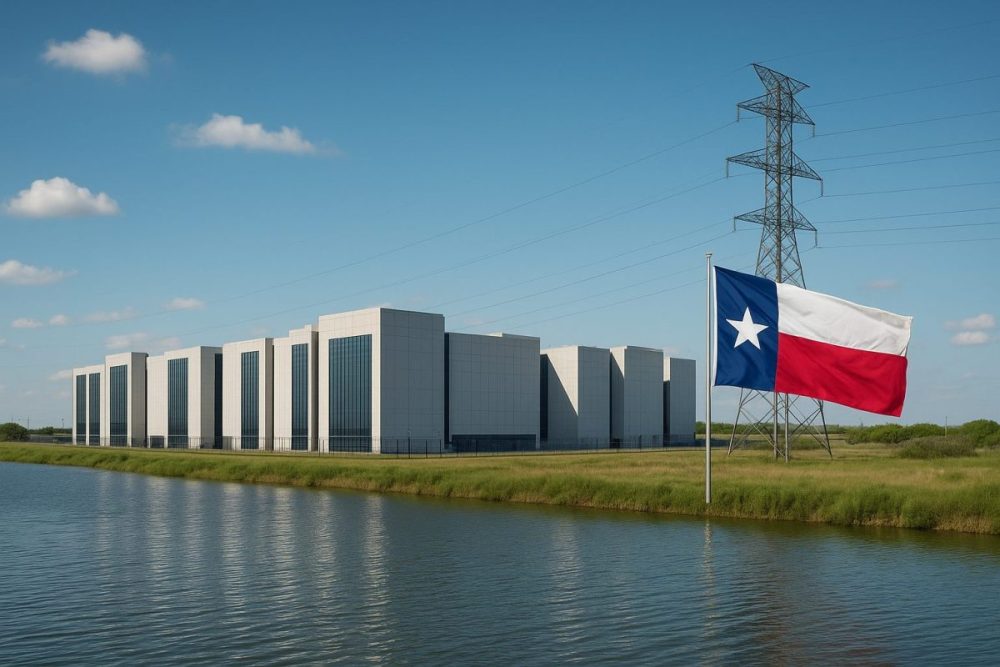
What’s Next For Data Centers in Texas? How About Merging With Existing Wind Power Sites
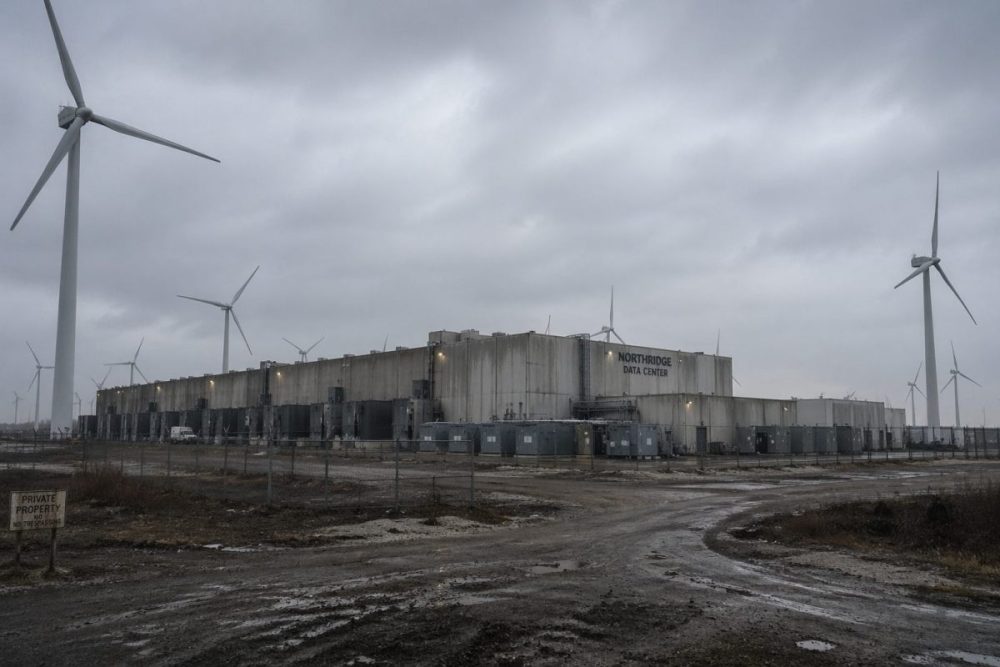
April 24, 2026 – Texas regulators have approved a first-of-its-kind arrangement allowing a data center to draw electricity directly from an existing wind farm, a move that could reshape how large energy users secure power in the state.
In a unanimous 5-0 vote Thursday, the Public Utility Commission of Texas signed off on the novel setup, which one commissioner described as unprecedented for the state’s primary electric grid. The decision comes as demand for electricity surges, driven in large part by a boom in data center development tied to artificial intelligence, cloud computing and digital infrastructure.
Data Centers could ‘go to the head of the energy line’ and avoid the Texas grid altogether.
Under the approved structure, the data center will bypass traditional pathways and connect more directly to the wind farm’s output. Supporters say the approach offers a faster and potentially more efficient way to bring major energy-consuming projects online, particularly at a time when grid capacity constraints and long interconnection queues can delay new developments for years.
The ruling could have wide-reaching implications. Across Texas and the broader United States, developers are racing to secure reliable and affordable power sources for a growing pipeline of data centers. Many of these facilities require massive, around-the-clock electricity supplies, prompting companies to explore creative solutions, including partnering with existing generation assets.
By tapping into an already operating wind farm, the newly approved project avoids some of the regulatory and logistical hurdles associated with building new generation or transmission infrastructure from scratch. Industry observers say that advantage could make similar arrangements increasingly attractive, especially in regions with abundant renewable energy resources.
However, the model also raises questions about grid reliability and fairness. Critics have cautioned that allowing large customers to directly access existing generation could shift costs or strain resources if not carefully managed. Regulators, for their part, emphasized that the project will be closely monitored to ensure it does not negatively impact other ratepayers or overall grid stability.
Still, the commission’s decision signals a willingness to experiment with new frameworks as Texas confronts rapid load growth. If successful, the approach could serve as a template for future partnerships between renewable energy producers and large-scale power users.
With data center demand expected to climb sharply in the coming years, the stakes are high. Texas, already a leader in wind energy production, may now also become a testing ground for innovative ways to match clean power with the industries driving the next wave of electricity consumption.
Texas Attorney General Probes Streaming Giants Over Alleged Payola Practices

April 24, 2026 – AUSTIN — Ken Paxton has launched a sweeping investigation into major music streaming platforms over allegations of potential payola schemes that could be distorting competition in the digital music industry.
The probe targets several leading services, including Spotify, Apple Music, Pandora, Amazon Music, and YouTube Music. The investigation centers on whether these companies engaged in undisclosed financial arrangements that prioritize certain songs or artists in playlists and recommendations.
Payola, a practice historically associated with radio broadcasting, involves accepting compensation in exchange for promoting content without proper disclosure. The practice was outlawed decades ago to ensure fairness and transparency. With streaming services now dominating music distribution, regulators are increasingly concerned that similar tactics may have reemerged in digital form.
According to the Attorney General’s office, the inquiry will examine whether record labels, promoters, or third parties paid for preferential treatment in algorithm-driven playlists or editorial placements. Such actions, if proven, could mislead consumers and disadvantage independent artists trying to gain visibility organically.
“Music artists deserve to compete on a level playing field, not one distorted by bribes,” Paxton said in a statement. “Listeners also deserve transparency in what they are being recommended.”
As part of the effort, civil investigative demands have been issued to the companies, requiring them to provide documents and information related to their business practices.
The outcome of the investigation could have significant implications for the music industry, potentially reshaping how streaming platforms curate and promote content while reinforcing legal standards for transparency in the digital age.

Texas Soil and Water Stewardship Week Recognizes the Soil as the Foundation of Life, Productivity, and Resilience across the State

April 23, 2026 – Hopkins-Rains Soil & Water Conservation District #445 has partnered with the Texas State Soil and Water Conservation Board (TSSWCB) and the Association of Texas Soil & Water Conservation Districts to highlight Soil and Water Stewardship Week and the importance of voluntary land stewardship in Texas. The statewide campaign is April 25 through May 6, 2026, and the focus this year is “Soil. Where It All Begins.”
Healthy soil supports everything Texans depend on. From the food on our plates, to the clothes on our backs, the foundation for our homes and offices, to the working lands and city parks, soil plays a critical role in sustaining both natural resources and local economies. Healthy soil plays a key role in safeguarding water resources, agricultural productivity, and wildlife habitats.
Healthy soil supports everything Texans depend on by performing the following essential functions every day:
• Produces food and fiber by anchoring roots and supplying nutrients that crops and pastures need to grow.
• Manages and protects water by absorbing rainfall and irrigation, reducing runoff and erosion, filtering pollutants, and helping to recharge aquifers.
• Cycles and stores nutrients and carbon, supporting soil biology and keeping ecosystems productive and balanced.
• Builds resilience by reducing the impacts of drought, flooding, and extreme weather.
• Provides physical stability by supporting plant roots, human infrastructure, and cultural and archaeological resources.
Texas soils are as diverse as the landscapes they support. Prairies, forests, croplands, wetlands, and urban spaces all rely on soil health to function properly. This diversity means soil health affects every corner of the state. When soil is healthy, land is productive and communities are stronger. Stewardship of this vital resource is a shared responsibility and a long-term investment in the future of our state. Caring for soil today supports stronger outcomes for communities tomorrow. Meeting this responsibility takes more than awareness. It takes action, partnership, and persistence.
Since 1939, the Texas State Soil and Water Conservation Board (TSSWCB) and Soil and Water Conservation Districts (SWCDs) across Texas have been working to encourage the wise and productive use of natural resources. Through voluntary conservation programs, technical assistance, and education, we help Texans implement practices that keep soil productive and resilient for the long term. It is our goal to ensure the availability of those resources, so that the needs of all Texans, present and future, can be met in a manner that promotes a clean, healthy environment and strong economic growth.
Soil does the quiet work beneath the surface, day after day, to make food production and healthy ecosystems possible. Without it, nothing else moves forward. When we protect it, we protect Texas. Because soil is where it all begins.
This campaign aims to bring more awareness and support to voluntary land stewardship because the way we manage our resources on private lands directly impacts our natural resources. Hopkins-Rains Soil and Water Conservation District is proud to collaborate with conservation partners across Texas to promote the importance of natural resource conservation.
For more information on “Soil Where It All Begins,” please visit www.tsswcb.texas.gov.

First Round of School Vouchers Reach Texas Families

April 23, 2026 – AUSTIN, Texas — Greg Abbott on Wednesday marked the first distribution of Texas Education Freedom Accounts (TEFA) funds, with more than 42,000 families set to receive financial support aimed at expanding school choice across the state.
The program, administered by the Texas Comptroller of Public Accounts under Acting Comptroller Kelly Hancock, is designed to give parents greater flexibility in selecting educational options that best fit their children’s needs.
“School choice funds being distributed to Texas families paves the way for Texas to become the No. 1 state for education,” Abbott said in a statement. “These accounts will give parents the freedom to choose the best learning environment for their children, regardless of their income or location.”
The TEFA program prioritizes students with disabilities and those from low-income households. Families can use the funds to enroll their children in private schools or alternative education programs, as well as cover costs for instructional materials, tutoring, and specialized educational therapies.
State officials said notifications will begin this week for students in the program’s highest-priority tier—those with qualifying disabilities living in households at or below 500 percent of the federal poverty level. Siblings of those students are also included in the initial rollout.
Additional rounds of funding are expected in the coming weeks as the program expands to more eligible families.
Supporters say the initiative represents a major step toward increasing educational access and customization, particularly for families who have historically faced limited schooling options. Critics, however, have raised concerns about the potential impact on public school funding, setting up what is likely to remain a key policy debate as the program continues to roll out statewide.

HHSC Announce $60 Million In Federal Funding To ‘Make Rural Texans Healthy Again’

April 23, 2026 – AUSTIN, Texas — Greg Abbott announced Thursday that the Texas Health and Human Services Commission will distribute $60 million in initial federal funding to rural hospital districts, launching a new effort aimed at improving health outcomes across underserved communities.
The funding, part of the state’s broader Rural Texas Strong plan, will support the “Make Rural Texans Healthy Again” initiative. The program focuses on expanding access to preventive care, wellness programs, and nutrition services in rural areas where residents often face limited healthcare options.
“Every community in Texas deserves to have a health system that works as hard as them,” Abbott said in a statement. “This funding will help ensure critical services are available to keep Texans healthy and strong.”
According to the Texas Health and Human Services Commission (HHSC), eligible hospital districts can use the funds for a range of community-based projects. These include opening wellness centers that offer exercise and nutrition classes, supporting local food systems such as grocery stores and farmers markets, and establishing after-hours primary care clinics to reduce unnecessary emergency room visits. The initiative also prioritizes low- or no-cost screenings for chronic conditions.
State health officials say the program is designed to address widespread issues in rural regions, including diabetes, heart disease, respiratory illness, and obesity.
“Improving health outcomes in rural Texas starts with prevention,” said Stephanie Muth. “This initiative empowers communities to take meaningful steps toward lifelong health.”
Texas expects to receive approximately $1.4 billion over five years through the Centers for Medicare and Medicaid Services Rural Health Transformation Program. Officials noted the funding is contingent on meeting federal requirements, with additional grant opportunities and public notices to be released in the coming months.

Paxton Wins Another Battle for Ten Commandments in School
April 20, 2026 – Texas Attorney General Ken Paxton secured a legal victory this week as the U.S. Court of Appeals for the Fifth Circuit upheld Senate Bill 10, clearing the way for the Ten Commandments to be displayed in public school classrooms across the state.
In a statement following the ruling, Paxton called the decision “a major victory for Texas and our moral values,” emphasizing his office’s role in defending the law. “My office was proud to defend SB 10 and successfully ensure that the Ten Commandments will be displayed in classrooms across Texas,” he said. “The Ten Commandments have had a profound impact on our nation, and it’s important that students learn from them every single day.”
SB 10, passed by Texas lawmakers, requires public school classrooms to display the Ten Commandments, a directive that quickly drew legal challenges from opponents who argued the measure violates constitutional protections regarding the separation of church and state. The case advanced rapidly through the courts, culminating in a rare full-court, or en banc, hearing before the Fifth Circuit.
Paxton’s office had previously secured that en banc review, allowing all active judges on the court to consider the case rather than a smaller panel. In its decision, the court determined that the law can take effect, effectively allowing schools statewide to begin implementing the requirement.
Supporters of the measure argue that the Ten Commandments are a foundational historical text that has influenced American legal and cultural traditions. They contend that displaying them in classrooms is consistent with educational goals and reflects longstanding values embedded in the nation’s history.
Critics, however, maintain that the law crosses constitutional boundaries by promoting a specific religious doctrine in public education settings. Legal analysts note that disputes over religious displays in schools have been a recurring issue in U.S. courts, often hinging on interpretations of the First Amendment’s Establishment Clause.
The Fifth Circuit’s ruling is likely to have broader implications beyond Texas, as similar proposals have surfaced in other states. While the decision allows SB 10 to move forward, opponents may still seek further review, potentially setting the stage for consideration by the Supreme Court of the United States.
For now, Texas school districts are expected to begin preparing for compliance with the law, marking a significant development in the ongoing national debate over religion’s role in public education.
U.S. Government Prepares to Meddle in the Fertilizer Market

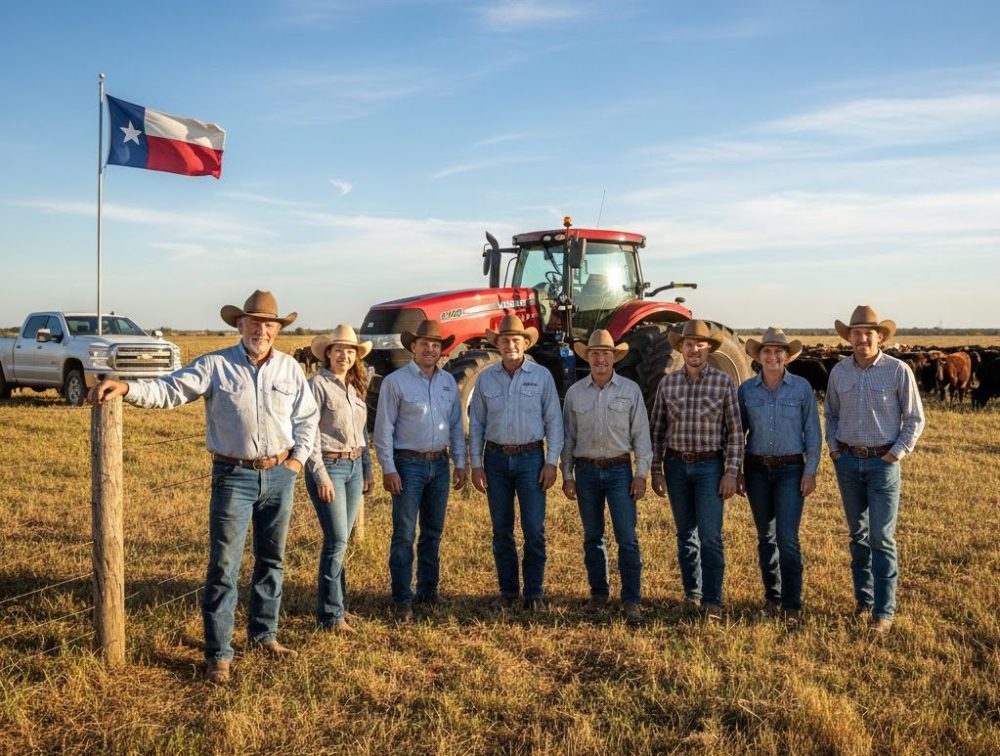
April 22, 2026 – The United States government is preparing to tap billions of dollars generated from tariffs and renegotiated trade deals to address persistently high fertilizer prices, a move aimed at easing financial pressure on farmers and strengthening domestic supply chains.
Speaking before a House Appropriations subcommittee, Agriculture Secretary Brooke Rollins said the administration is shifting from general concern to targeted action. “We’ve got to invest in more infrastructure,” Rollins told lawmakers. “We’ve got to reshore fertilizer back to America.” Her comments signal a broader push by the administration of Donald Trump to reduce reliance on foreign inputs and rebuild domestic production capacity.
Rollins confirmed she recently convened a 90-minute meeting with executives from four major fertilizer companies, alongside senior officials including Commerce Secretary Howard Lutnick, U.S. Trade Representative Jamieson Greer, and National Economic Council Director Kevin Hassett. The group discussed strategies to expand U.S.-based fertilizer production, with a formal plan expected in the coming days.
The urgency is underscored by rising costs that have left many farmers struggling to maintain crop yields. Surveys cited in the discussion indicate roughly 70 percent of U.S. farmers cannot afford all the fertilizer they need, raising concerns about future food production and farm profitability.
Rollins acknowledged that new domestic infrastructure will take time to deliver results, estimating that projects could take 12 to 18 months to come online. In the short term, the administration is pursuing stopgap measures, including regulatory flexibility and expanded imports. Officials have temporarily waived enforcement of the Jones Act, allowing more efficient domestic transport, and permitted additional fertilizer imports from Venezuela to increase supply.
Still, administration officials argue the root problem lies in market concentration. “A handful of companies have basically taken over the market in all of the inputs,” Rollins said, emphasizing that limited competition has contributed to price volatility and supply constraints.
While officials express confidence that fertilizer prices could ease over time—particularly if global conflicts affecting supply chains subside—they caution that relief will not be immediate. “These prices will not come down anytime in the next couple of days or weeks,” Rollins said, noting it could take months before farmers see meaningful reductions.
Lawmakers from both parties are now weighing how best to support producers in the interim, as high input costs continue to strain the agricultural sector and raise broader concerns about food affordability and supply stability.
Local Author Sharon Feldt was the Guest on This Episode of KSST’s A Second Cup Of Coffee With John Mark Dempsey

April 21, 2026 – Local small business owner and author Sharon Feldt was the guest on this episode of KSST’s A Second Cup Of Coffee With John Mark Dempsey. Sharon and John Mark chatted about the Bright Star Literary Society, the book Spectacular Things, what the Book Nook on Main has in store for “Independent Bookstore Day” Saturday, April 25th, 2026, and so much more. Be sure to check out this interesting segment down below.

U.S. Department of Justice Investigates Meat Packing Companies

April 21, 2026 – Texas Agriculture Commissioner Sid Miller on Tuesday welcomed a newly launched criminal antitrust investigation by the U.S. Department of Justice into the nation’s largest meatpacking companies, calling the move a long-overdue step toward restoring fairness in the beef industry.
In a statement issued April 21 from Austin, Miller praised the administration of Donald Trump for taking action against what he described as excessive consolidation and potential anti-competitive practices among dominant meat processors.
“I am glad to see the Trump administration take a hard look at the meatpacking industry and make sure America’s ranchers, and the families who depend on them, are finally getting a fair deal,” Miller said. “With the Department of Justice launching a criminal antitrust investigation into the major meatpackers, we are finally seeing real movement toward accountability.”
The probe comes amid growing concern over market concentration in the U.S. beef supply chain. According to industry estimates, four companies control roughly 85 percent of the nation’s beef processing capacity. Critics argue that such consolidation gives outsized pricing power to packers, potentially squeezing ranchers while consumers face higher prices at the grocery store.
Miller emphasized that imbalance, noting that ranchers have struggled to secure fair returns despite historically high retail beef prices. “That level of consolidation demands scrutiny,” he said, pointing to the disconnect between what producers are paid and what consumers ultimately spend.
The investigation also arrives at a time of broader strain across the cattle industry. Years of drought in key ranching regions, shrinking herd sizes, and rising feed and transportation costs have tightened supply and driven beef prices upward. While those factors explain part of the price surge, Miller argued they do not rule out the possibility of unlawful market behavior.
Background concerns over meatpacker dominance are not new. Calls for antitrust scrutiny intensified during earlier disruptions, including pandemic-era plant shutdowns that exposed vulnerabilities in the centralized processing system. Rancher groups and agricultural policymakers have since pushed for stronger enforcement of competition laws and increased investment in smaller, regional processors.
Miller reiterated his long-standing position that the U.S. beef supply chain should prioritize domestic ownership and competition. “When foreign-owned or highly consolidated packers hold this much control, it does not just distort prices,” he said. “It puts our food security and rural economies at risk.”
The DOJ has not yet released detailed findings, and the scope of the criminal investigation remains unclear. However, antitrust experts say such probes can lead to significant penalties or structural changes if wrongdoing is uncovered.
For ranchers in Texas and across the country, the announcement signals potential change in an industry where profit margins have tightened and market access remains a persistent challenge. Miller framed the investigation as part of a broader push to rebuild resilience in American agriculture.
“We need an America First beef industry,” he said. “When we invest in our own capacity and restore real competition, we stabilize prices, strengthen our supply chains, and ensure the next generation of ranchers is not squeezed out.”