Texas A&M AgriLife Extension Service Provides Resources on Managing Buttercups by Mario Villarino
April 25, 2024 – Texas A&M AgriLife Extension Service provides resources on managing buttercups, particularly in pasture and forage management. Buttercups are toxic to livestock if ingested in large quantities, so effective control is important for animal health and pasture productivity. AgriLife Extension typically recommends a combination of cultural practices, such as maintaining good pasture health, and chemical control...
Soil Testing is Crucial for Understanding the Health of Your Soil by Mario Villarino
April 15, 2024 – Soil testing is crucial for understanding the health and fertility of your soil. It involves collecting samples from different areas of your property and sending them to a lab for analysis. The results will provide information on nutrient levels, pH balance, organic matter content, and recommendations for any necessary amendments to improve soil quality and plant growth. For soil testing through Texas A&M...
Controlling Nutsedge Can be Challenging by Mario Villarino
April 12, 2024 – Controlling nutsedge can be challenging because of its extensive rhizome system. Cultural methods like regular mowing and hand pulling can help, but herbicides are often necessary. Pre-emergent herbicides can prevent nutsedge seeds from germinating, while post-emergent options can kill existing plants. However, repeated applications may be needed for effective control. It’s also important to improve soil...
Too Much Emphasis on Winning and Losing at Jr. Fair Livestock Shows by Mario Villarino
February 8, 2024 – According to Nebraska Extension “It seems far too often we place too much emphasis on winning and losing at Jr. Fair livestock shows. Unfortunately, many times adults consider 4-H and FFA livestock projects a failure if their son or daughter does not win. If our only goal at a livestock show is to win, maybe we need to make some adjustments in our goals and in understanding the benefits our youth are gaining...
Soil Tests Can be Used to Help by Mario Villarino
Soil tests can be used to estimate the kinds and amounts of soil nutrients available to plants. They also can be used as aids in determining fertilizer needs. Properly conducted soil sampling and testing can be cost-effective indicators of the types and amounts of fertilizer and lime needed to improve crop yield. The effects of adding a fertilizer often depend on the level of nutrients already present in the soil If a soil is very low...
Green Acorns and Cattle by Mario Villarino
January 2, 2024 – The howling winds of cold fronts and rainstorms often knock green acorns from oak trees in a pasture. Most cattle like the taste of acorns and tend to seek them out. But hungry cattle that consume too many green acorns will get sick. Their gastrointestinal tracts will be upset; they will develop diarrhea, become dehydrated, constipated and emaciated; and they might die. Acorn poisoning is caused by chemicals...
A Year in Review 2023 by Mario Villarino
2023 Livestock and Forage Education Hopkins County Dr. Mario Villarino| County Extension Agent- Agriculture and Natural Resources RELEVANCE Livestock and forage production are a 3.96 billion dollars industry in the Central Region . Livestock and forage enterprises are affected by climate and market variability. Hopkins County currently has more than 100,000 head of cattle with 27,000 head of dairy cattle....
Winter Cattle Feeding Can Be Challenging by Mario Villarino
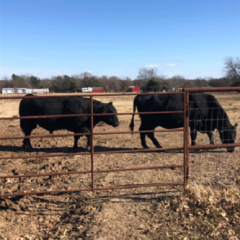
December 5, 2023 – Winter cattle feeding can be challenging when forage supply is short. It is also common that during the winter feeding process that cattle has the tendency to look for green forages to consume causing challenges to fences to keep them confined. When cattle breaks loose, the nature of the consumed forage becomes unknown. It is during these circumstances when intoxication can become a problem, either by the...
After a Hot Summer the Entire Cow-calf Herd May be Stressed by Mario Villarino
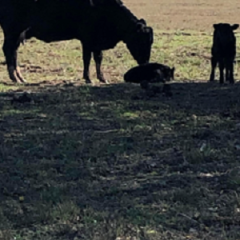
November 27, 2023 – As a cow-calf herd goes into the fall season after a hot, dry summer, the entire herd may be stressed. Excessive heat, short grass and low water tanks stress cattle and make them more susceptible to diseases. Unsanitary conditions and abrupt diet changes also can lead to illness, as can other circumstances of stress. At the end of the summer, the cows are likely pulled down to a thin body condition from...

Injuries to Trees May Allow Insects to Enter the Tree by Mario Villarino
November 20, 2023 – Injuries to trees that expose the wood or kill the bark may allow insects or disease organisms to enter the tree. Proper treatment protects the tree and promotes faster healing. Few trees reach maturity without receiving one or more wounds from a variety of sources. Yet trees have survived for centuries to become the oldest living creatures on earth despite wounding. Some recent work has involved dissecting...