Are You a ‘Muscle Mommy’?
May 7, 2026 – A growing shift in fitness culture among women is driving a surge in demand for protein-rich foods, prompting major food brands to rapidly expand their offerings in what analysts describe as a booming market trend. The shift, often linked to the rise of strength training and so-called “muscle mommy” culture, reflects a broader change in how women approach health, fitness, and nutrition.
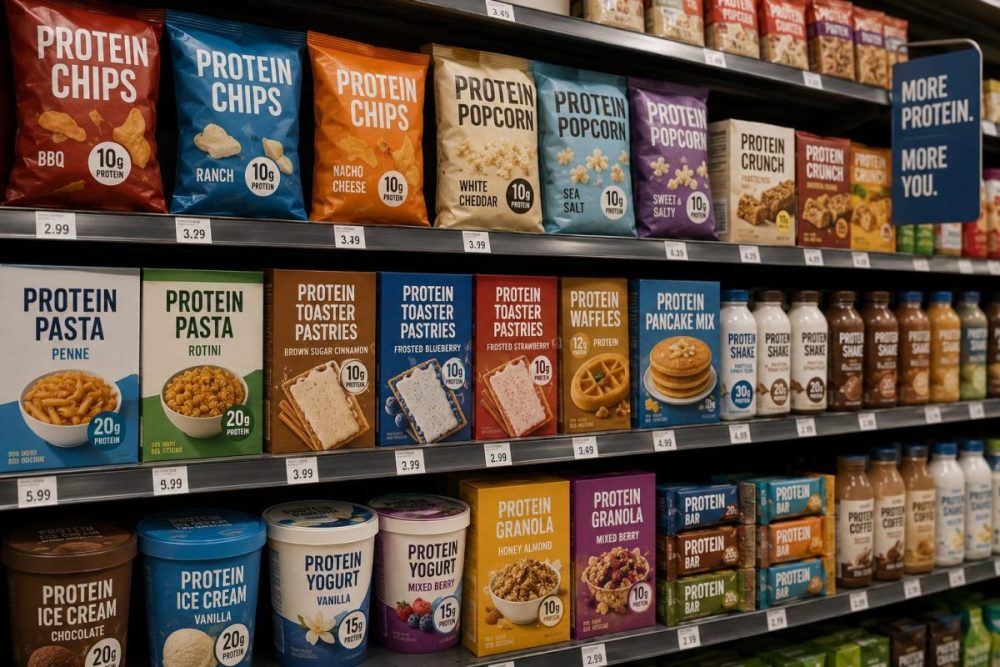
Industry data suggests that women are increasingly prioritizing protein intake, with many seeking to support muscle growth, improve body composition, and maintain overall health. This demand has helped fuel a fast-growing market for protein snacks, which is projected to reach tens of billions of dollars globally in the coming years. Products now range from traditional items like protein bars and shakes to newer entries such as protein chips, cereals, and desserts.
“Protein Pop-Tarts” are a variation of the classic Pop-Tarts that are marketed as a higher-protein snack or breakfast option. They look and taste similar to regular toaster pastries—sweet, filled, and often frosted—but are reformulated to include added protein from sources like whey, soy, or milk protein. While the packaging emphasizes protein content as a health benefit, these products typically still contain sugar, refined carbohydrates, and similar calorie levels to the original version. In most cases, the added protein is modest rather than substantial, meaning they function more like a slightly modified snack food than a true high-protein meal.
Companies such as Alani Nu and Bloom Nutrition have built large customer bases by targeting female consumers directly, using bright packaging, lifestyle messaging, and social media marketing. At the same time, mainstream brands are reformulating existing products or introducing new ones labeled as high-protein to capture a share of the expanding market.
However, some nutrition experts caution that not all protein-labeled foods offer meaningful health benefits. While protein is essential for muscle repair, satiety, and metabolic function, critics argue that many snack products contain relatively small amounts of protein compared to their calorie, sugar, or fat content. In some cases, foods traditionally considered indulgent are being rebranded as healthier options due to modest protein additions.
The trend has also been amplified by social media platforms, where users frequently share high-protein meal ideas, grocery hauls, and product reviews. Influencers and celebrities have further accelerated the movement by launching their own wellness products, blurring the line between nutrition, beauty, and lifestyle branding.
Whole foods are the most reliable and effective way to get healthy protein because they provide complete nutrition without the downsides of heavy processing. Foods like eggs, chicken, fish, beef, dairy, beans, and lentils naturally contain protein along with essential nutrients such as vitamins, minerals, and healthy fats.
This shift comes alongside the increasing popularity of weight-loss medications and fitness programs that emphasize higher protein intake, particularly for maintaining muscle mass. As a result, protein is no longer viewed solely as a nutrient for athletes but as a central component of everyday diets.
Despite the enthusiasm, some analysts warn of parallels to past diet trends, where heavily marketed “health” foods failed to deliver long-term benefits. They emphasize that whole food sources such as meat, eggs, dairy, and legumes remain the most reliable ways to meet nutritional needs.
As the market continues to expand, the challenge for consumers will be distinguishing between genuinely nutritious options and heavily processed products marketed as healthy. For now, the protein boom shows no signs of slowing, as brands continue to innovate and compete for attention in an increasingly crowded space.