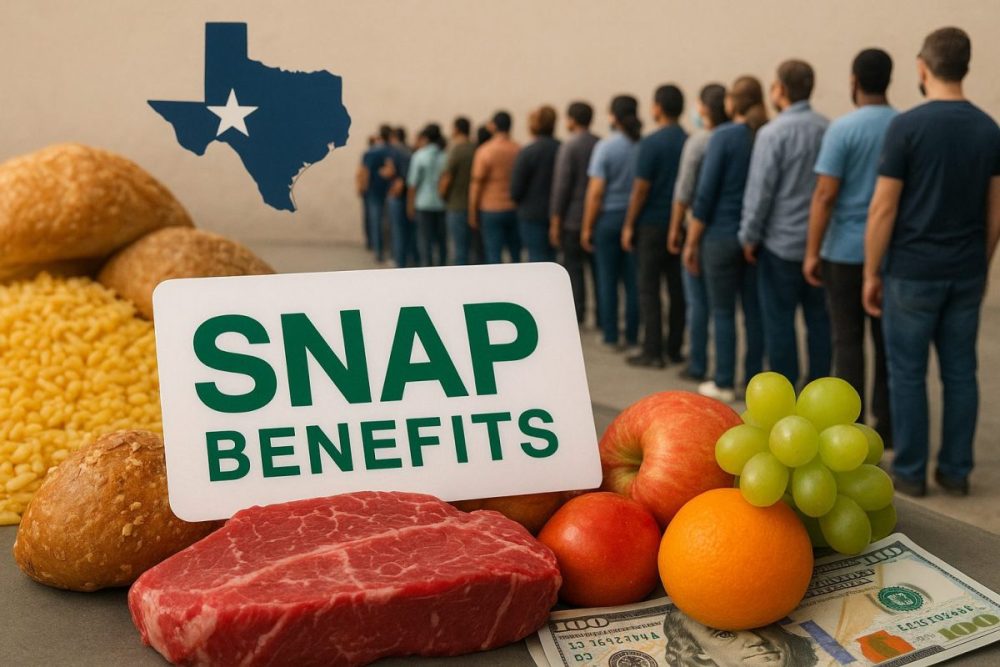
Decline in SNAP Participation Sparks Debate Over Reform and Access
May 4, 2026 – WASHINGTON – Since President Trump’s second inauguration in January 2025, the Supplemental Nutrition Assistance Program (SNAP) has undergone its most significant contraction in decades. New federal data reveals that nearly 4.3 million Americans—approximately 10% of total participants—exited the program between January 2025 and January 2026.
The shift follows the implementation of the “One Big Beautiful Bill Act,” a 940-page legislative overhaul that merged massive tax cuts with aggressive changes to federal assistance eligibility. While the administration celebrates the decline as a victory for economic independence, critics argue the drop reflects a systemic “locking out” of the nation’s most vulnerable.
Administration Credits Economy and Integrity
Agriculture Secretary Brooke Rollins defended the trend this week, attributing the dip to a flourishing labor market and a crackdown on systemic abuse.
“The economy is strong, and frankly, people don’t need food stamps like they used to,” Rollins stated. She emphasized that the administration has prioritized weeding out fraud, noting that many recipients were “taking from the program when they shouldn’t have been.”
However, government data from 2023 shows that fraud accounts for a tiny fraction of the program’s footprint. Only about 41,500 people were removed for fraudulent activity that year—less than 1% of the total 42 million participants.
The Impact of the “One Big Beautiful Bill”
The “One Big Beautiful Bill Act” is projected to slash federal SNAP spending by 20% over the next decade. Most of the 4.3 million-person decline occurred in the latter half of 2025, immediately after the bill’s new work requirements and stricter documentation hurdles took effect.
Under these new rules, “able-bodied” adults face more frequent eligibility check-ins and narrowed exemptions. Advocates for the poor argue these are not “incentives to work,” but rather “administrative hurdles” designed to trigger automatic disqualifications.
Rising Costs Amid “Strong” Metrics
While the White House points to low unemployment, experts note that the cost of living remains a crushing burden. Food prices rose 3.1% in 2025 and are forecasted to climb another 2.9% through 2026.
“We have a persistent poverty problem in this country,” said Kate Bauer, an associate professor of nutritional sciences at the University of Michigan. “Even in good economic times, most people are not able to pull their families out of poverty just because the stock market is up.”
As the number of participants drops to 38.55 million, the disconnect between official economic optimism and the reality at the grocery checkout line remains the central tension of Trump’s second-term domestic policy. For millions of former recipients, the question isn’t whether the economy is growing—it’s whether they can afford to eat while it does.