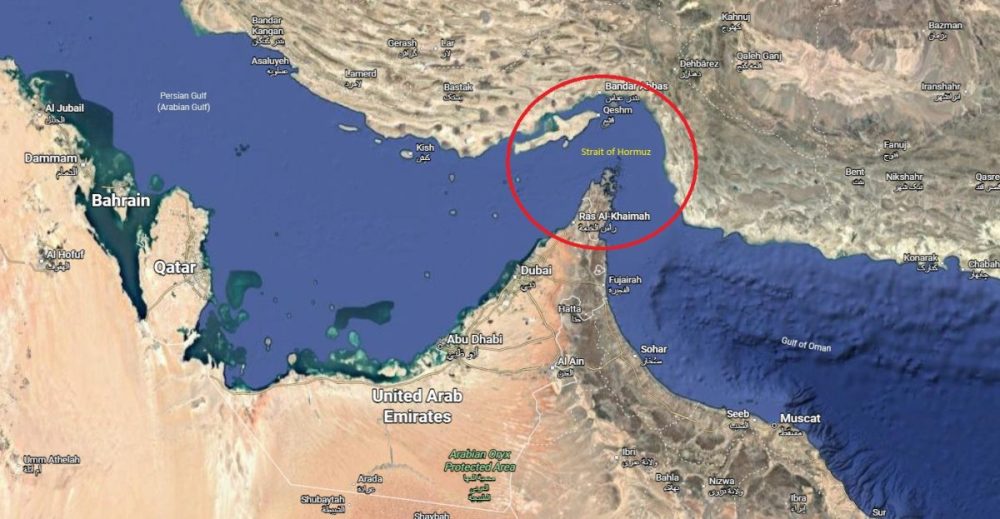
April 9, 2026 – You have already felt the sting at the gas pump as fuel prices are on the rise from disruption in the Strait of Hormuz. The chokepoint between the Persian Gulf and Gulf of Oman normally passes over a billion dollars worth of oil everyday to the global economy and when it does not, gas prices will rise. The closure of the Strait of Hormuz can also disrupt global fertilizer shipments just as fertilizer from the region is being shipped worldwide for springtime.
The domino effect of limiting supplies of fertilizer will raise global prices of fertilizer which in turn makes grain and corn more expensive. Cattle ranchers as well as pork and poultry producers then have to pay more for their feed. Higher feed prices result in lower profit margins for beef, pork and poultry producers who will likely make up the difference by passing the increased costs onto consumers.
The 21-mile wide Strait of Hormuz has become a big bargaining chip for Iran as they can use their military prowess to control the strait becoming the primary gatekeeper. Under normal conditions, the Strait of Hormuz passes more than 100 ships a day, but that has been reduced to about a dozen ships during the conflict. Currently, during the ceasefire, Iran agreed to open the strait, but fewer ships are sailing toward the strait as countries are still aprehensive of Iran’s intentions to honor the opening. Either way, the closure for the last few weeks has disrupted many markets across the world and it could take weeks if not months to stablilze the shipping disruptions.
Only time will tell if restricted fertilizer distribution will make your hamburgers more expensive this spring.