From Black Coffee to Sugar Rush: Starbucks’ Growing Appeal to Children
April 4, 2026 – Starbucks, once a standard-bearer for premium coffee culture, is facing growing scrutiny over how its business has evolved—particularly in its increasing appeal to children through highly sweetened beverages.
Founded in 1971, Starbucks originally set itself apart by focusing on high-quality coffee, often served black. Early company philosophy emphasized the integrity of the bean, discouraging heavy additions like cream and sugar that could mask flavor. Its stores were designed as spaces for adults to enjoy a carefully crafted cup of coffee, not as destinations for sugary indulgence.
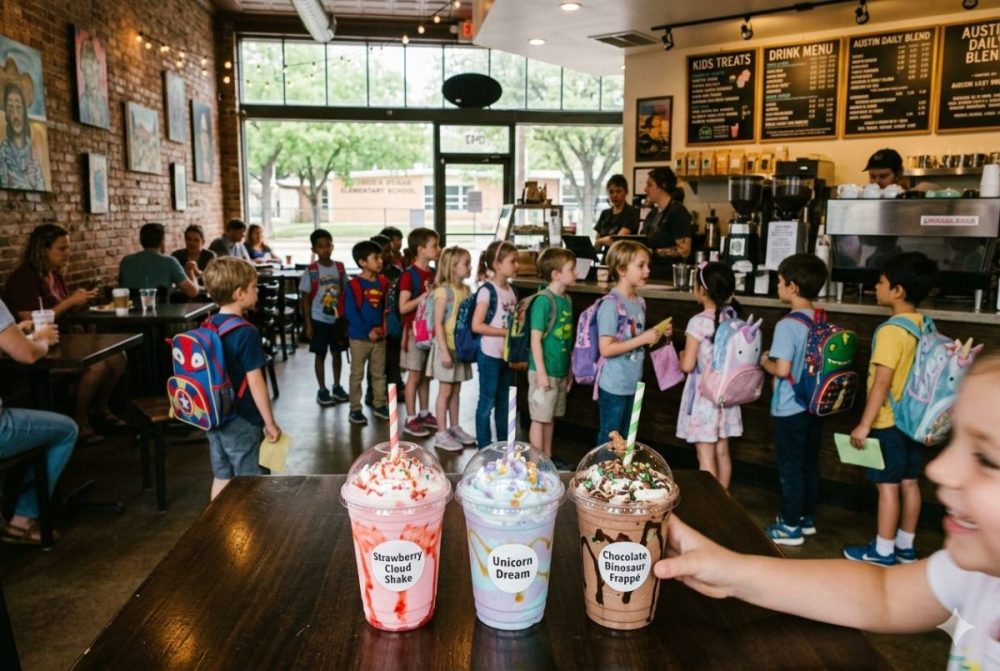
Over time, however, that identity has shifted. Today’s Starbucks menu features a wide array of brightly colored, dessert-like drinks—Frappuccinos, refreshers, and seasonal offerings—many of which contain significant amounts of sugar. These beverages, often topped with whipped cream, flavored syrups, and candy-inspired ingredients, have become especially popular among younger customers, including preteens and teenagers.
Critics argue that this is no accident. The visual presentation, sweetness, and customizable nature of these drinks make them highly appealing to children, even though Starbucks is not traditionally considered a “kids’ brand.” Social media has amplified the trend, with younger users sharing customized drink “recipes” that often push sugar content even higher.
Health experts are increasingly concerned. Some large specialty drinks can contain as much—or more—sugar than a typical soda, sometimes exceeding the recommended daily intake for children in a single serving. “We’re seeing beverages that are essentially desserts being marketed in ways that resonate with kids,” said one public health researcher. “That raises real questions about long-term health impacts.”
Parents, too, are navigating a more complicated landscape. What may appear to be a harmless treat can, in reality, pack a substantial nutritional load. The presence of caffeine in some of these drinks adds another layer of concern when consumed by younger children.
Starbucks, for its part, emphasizes that it does not directly market to children and continues to offer a broad menu that includes unsweetened coffee, teas, and lower-sugar options. Customers can customize their drinks, adjusting sweetness levels or removing sugary add-ons altogether. The company also points to evolving consumer demand as a key driver of its menu expansion.
Still, the broader shift is difficult to ignore. As Starbucks has grown into a global brand, its offerings have increasingly blurred the line between coffeehouse and dessert shop. For longtime observers, the transformation represents a significant departure from its origins.
What began as a purist coffee experience—centered on quality beans and simple preparation—has become a business where some of the most popular items are designed less around coffee itself and more around sweetness, spectacle, and mass appeal, including among a younger, more impressionable audience.