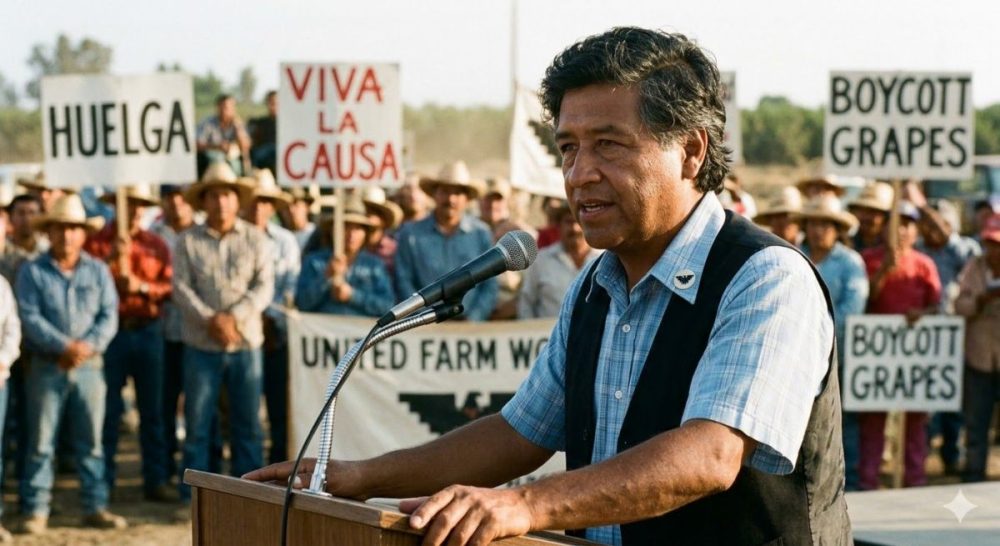
Texas To Delete Cesar Chavez Day
March 19, 2026 – Texas Governor Greg Abbott announced Wednesday that the state will no longer observe Cesar Chavez Day, citing allegations against the late labor leader and calling for the holiday’s removal from state law.
Born Cesario Estrada Chavez was March 31, 1927 in Yuma, Arizona, U.S.
Died April 23, 1993 (aged 66) San Luis, Arizona, U.S.
In a statement released from Austin, Abbott said he has directed all state agency heads to discontinue recognition of the holiday. He also indicated plans to work with lawmakers during the next legislative session to formally eliminate Cesar Chavez Day from the Texas calendar.
“Reports of the horrific and widely acknowledged sexual assault allegations against Cesar Chavez rightfully dismantle the myth of this progressive hero,” Abbott said. “They undermine the narrative that elevated Chavez as a figure worthy of official state celebration.”
Cesar Chavez was a prominent civil rights activist and labor organizer who co-founded the United Farm Workers union. He became nationally recognized for advocating on behalf of farmworkers, leading efforts to secure better wages, safer working conditions and labor protections for agricultural workers, particularly in the western United States. Chavez also organized strikes and boycotts, including the well-known grape boycott, which drew widespread attention to farm labor issues.
The governor’s announcement is expected to spark debate, as Chavez has long been honored by supporters for his role in advancing workers’ rights and nonviolent activism. Cesar Chavez Day is observed in several states and recognized at the federal level as a commemorative holiday.
Critics of Abbott’s decision are likely to argue that removing the holiday dismisses Chavez’s historical contributions, while supporters say the allegations raise serious questions about continued recognition.
State lawmakers are expected to take up the issue when the Legislature reconvenes, where any formal removal of the holiday from Texas law would require legislative approval.
The development adds to ongoing discussions about how historical figures are recognized in public policy and state observances.