February 15, 2026 – February gardening can be a challenge, but it is possible! Most gardening chores in February involve preparation for the spring season–pruning, transplanting, and garden clean up. Start by finishing pruning shade trees, fruit trees, blueberries, and other perennials. Bush roses can be pruned by about 50%, always cutting above an outward-facing bud. Wait to prune climbing roses until late spring after blooming. Pruning climbers now will keep the plant from blooming later.
Start seeds of tomatoes, peppers, cucumbers, and other veggies indoors now, so they will be ready to go into the garden in a few weeks.
On February 1, soil temps in Hopkins County were averaging 37 degrees due to the recent cold weather we experienced. By February 5, our soil had warmed to 49 degrees, which is much closer to the 10 year average for February. Now (Feb.10), the average soil temperature is around 60 degrees, which is warm enough for planting seeds.
If planting seeds outdoors now, be ready to cover and protect the young sprouts if another cold spell occurs.
All outdoor gardens will appreciate the removal of winter weeds now. It is easier to control them while small, rather than dealing with them after they spread and become established. The garden may need additional mulch, as it does break down and should be renewed periodically. Like mulch, adding compost always improves the garden soil. One or two inches of compost, tilled, raked, or forked into the top layer of soil can do wonders for anything the gardener plants!
Garden centers and nurseries have pansies, violas, pinks, blackberries, blueberries, and various types of trees and shrubs that can be planted now. Broccoli, Brussel sprouts, cabbage, lettuce, kale are also available to transplant into the garden. It is helpful to get these plants in the ground soon to get them established before warm temperatures arrive and spring growth begins.
Indoors, check your houseplants for adequate moisture, sunlight, and pests. One common indoor plant pest is Mealy Bugs. These small insects feed on the plants by piercing the stems and leaves and taking nutrients from the host. Other common pests include Aphids, Whiteflies, and scale insects. All can be controlled by a light spray of insecticidal soap or Neem oil.
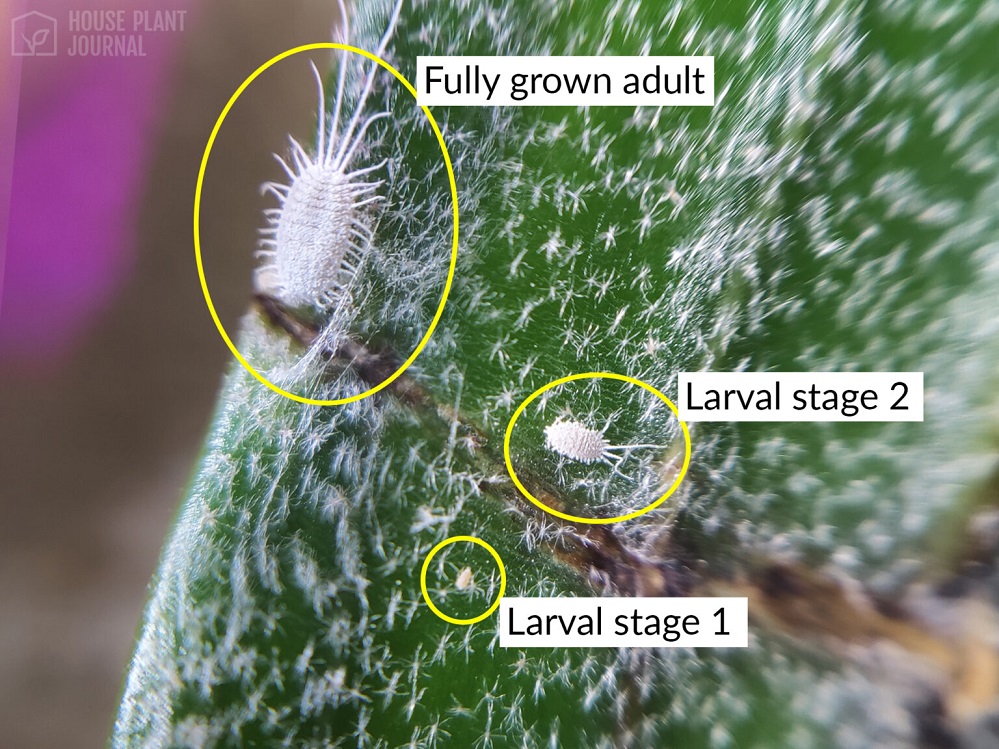
Be sure to give the leaves an occasional light wipe with a damp cloth. Leaves do “breathe”, and an occasional cleaning wipe will keep the leaves clean, healthy, and shiny.
There’s always something to do in your garden! Enjoy the pleasant February days, and stay warm on the others. Spring will be here soon!
Master Gardener Notes——
February meeting, Thursday, February 26, 10am at Extension Office, 1200B Houston St.
There will be a short presentation on Houseplant Pests
3 New Associate Members—
Ken Lindstrom, Brad Fain, and Janiene Fain