January 8, 2026 – Gardening in January can be cold and uncomfortable, but in Hopkins County we are usually gifted with many pleasant winter days. Planning, planting, transplanting, pruning, and other general garden maintenance can all be accomplished during this time when many plants are dormant. Here are a few ideas to help gardeners get off the couch and be productive until spring arrives!
January is a perfect time to prune trees and shrubs. For trees, remove dead limbs by cutting them close to the trunk, as well as those limbs that cross or rub against other branches. Removing dead wood reduces the chance of disease and insect infestation, while removing the branches that rub on another prevents future problems.
For shrubs, trim and re-shape the plant as needed to achieve a balanced, symmetrical shape. Electric hedge trimmers work quickly on large jobs, while hand-held cutters are great for small shrubs and finer, more detailed trimming.
Transplant any shrub, bush, or perennials now. It is also a good time to plant new trees. While these plants are dormant is the best time to re-locate them to a better growing environment. Try to keep as much of the roots and soil ball as possible when digging and moving so that the plant has a better chance of success in its new home. Dig the new hole a little larger than the soil ball, plant at the same depth, and water deeply.
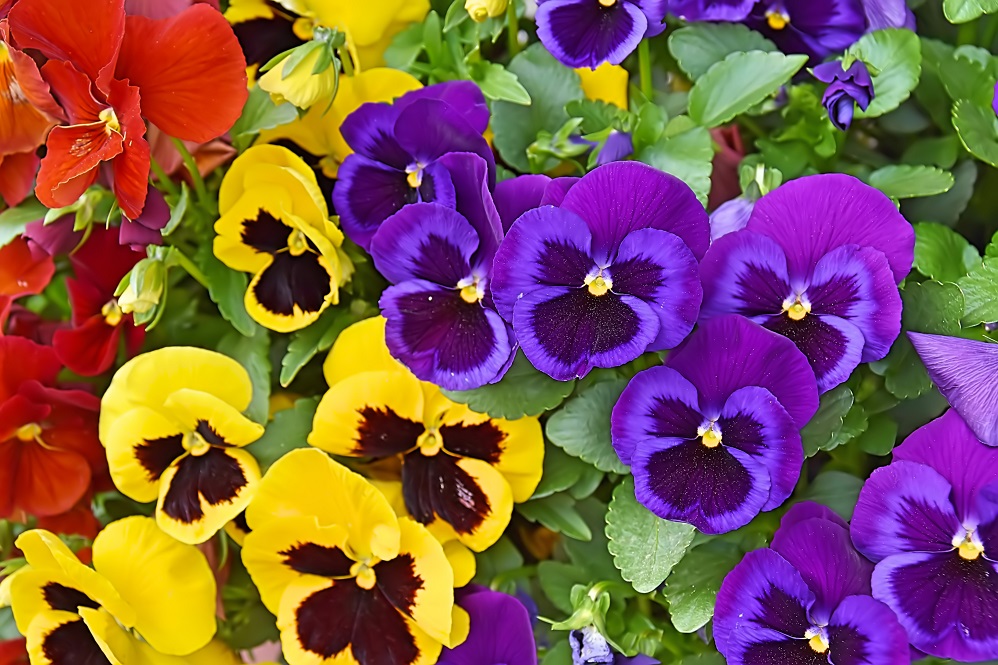
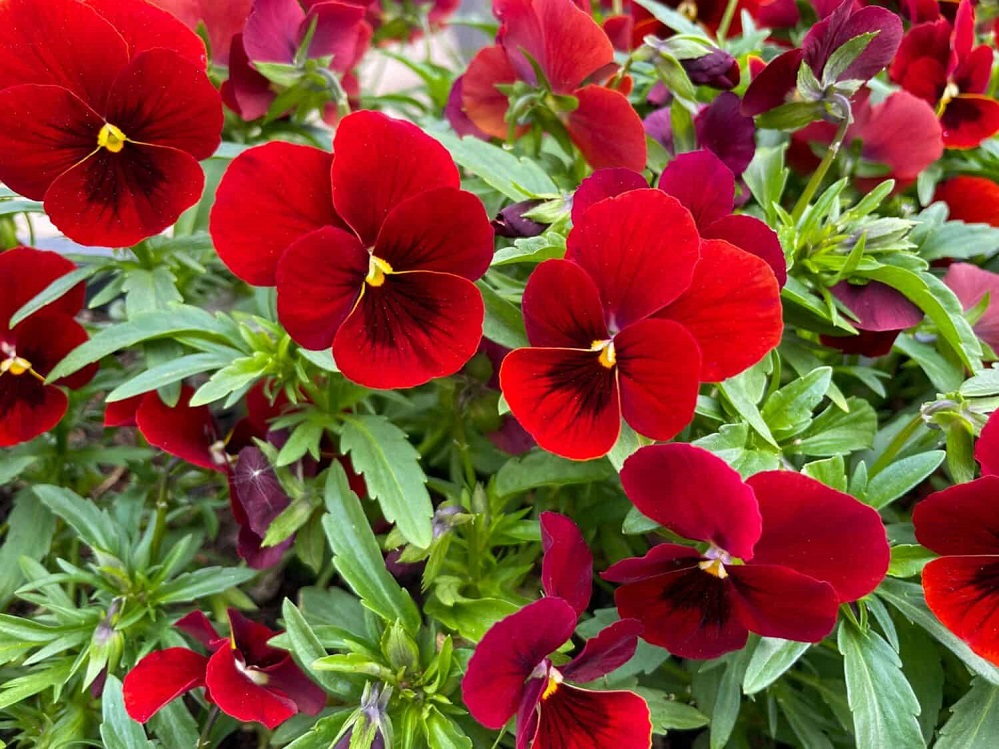
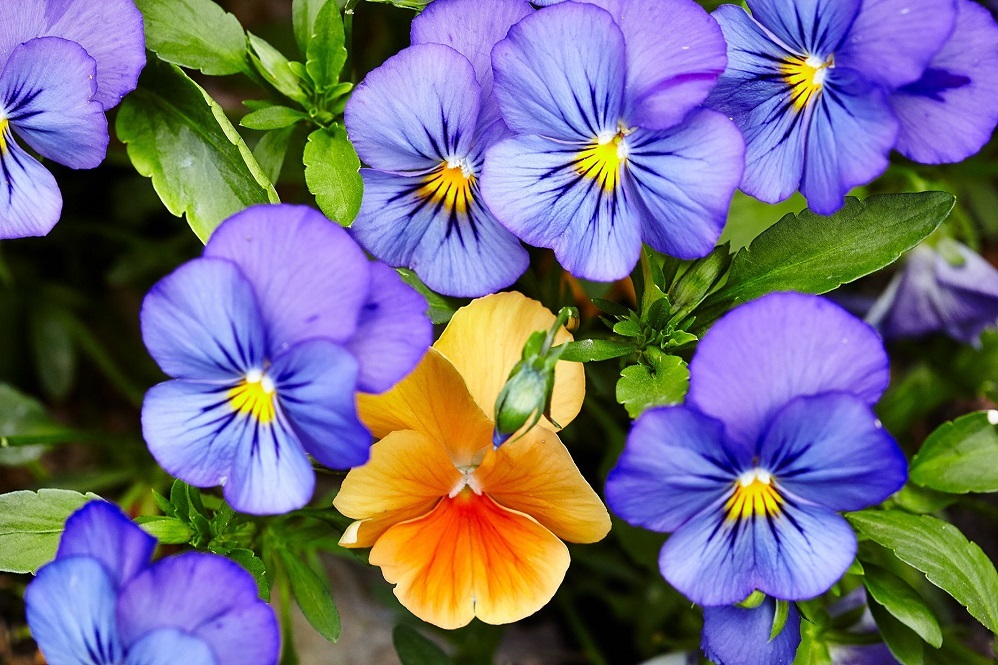
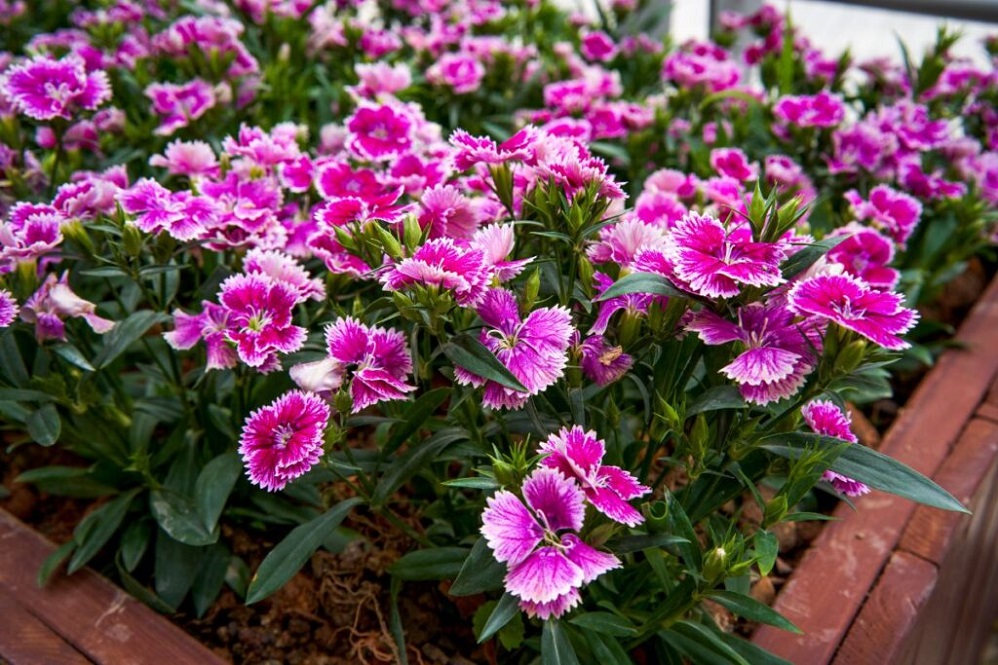
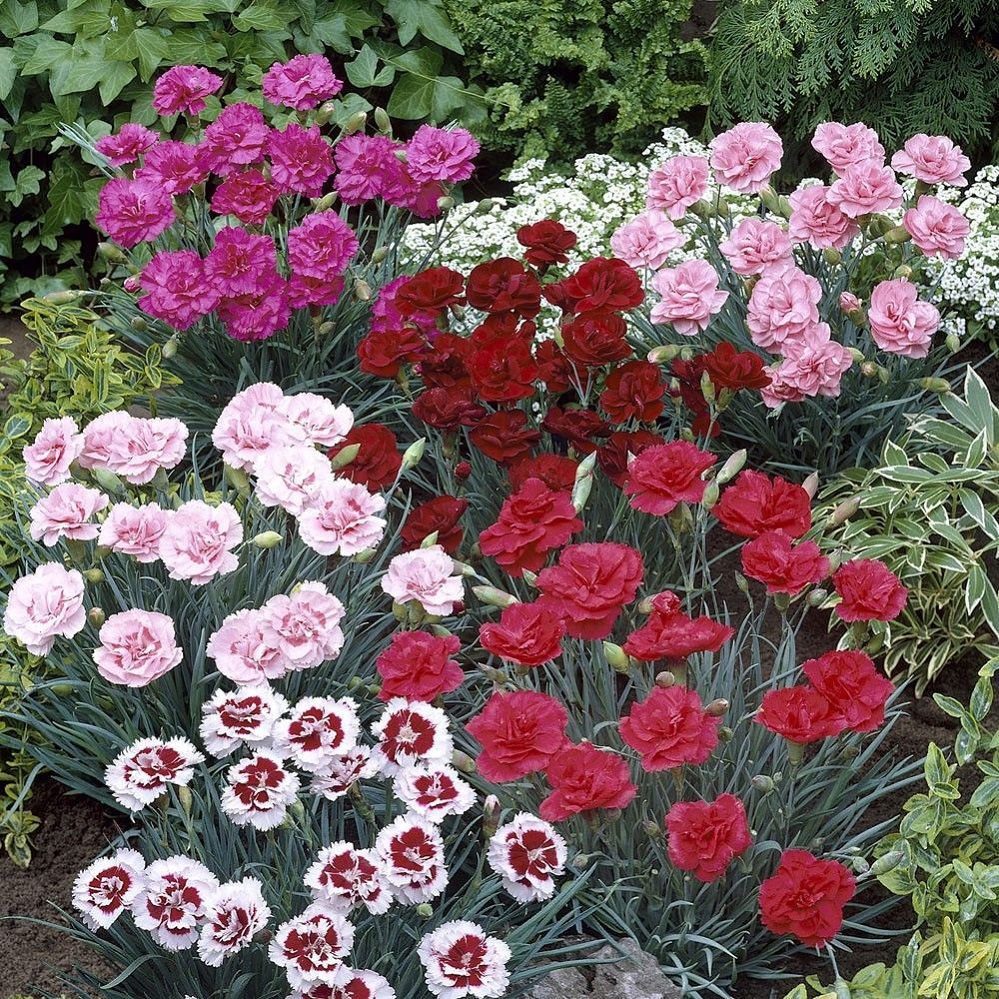
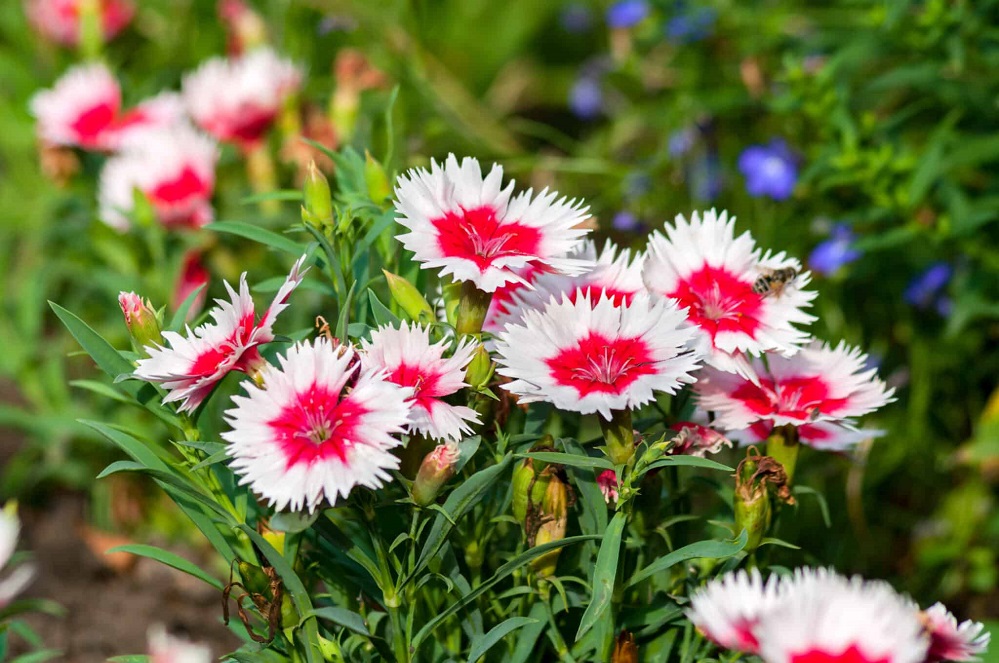
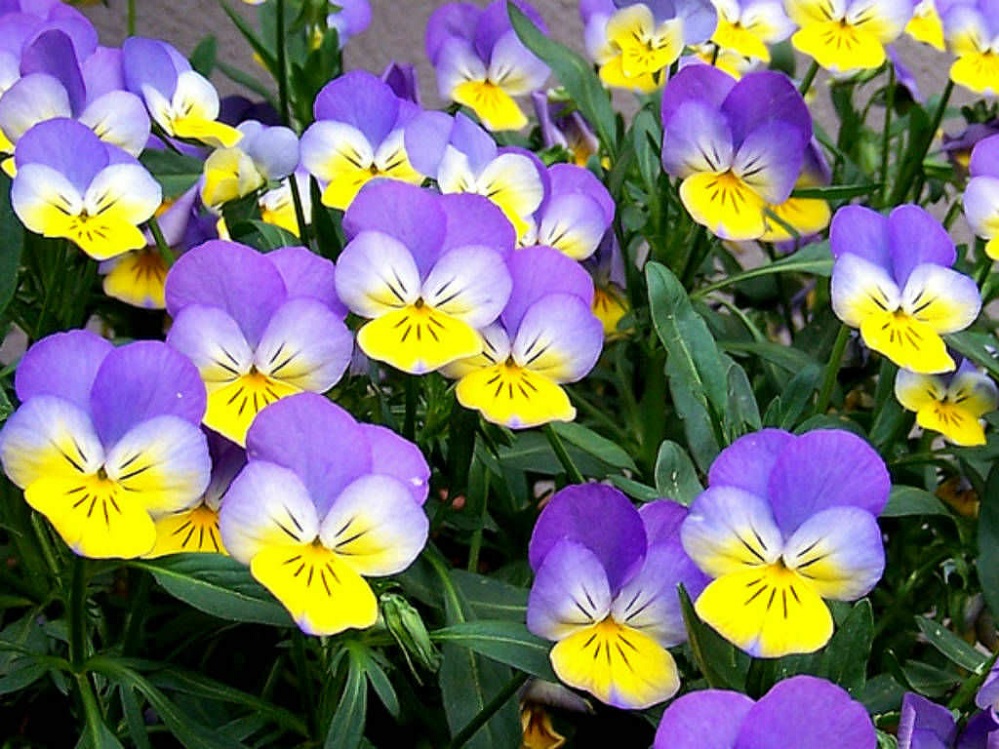
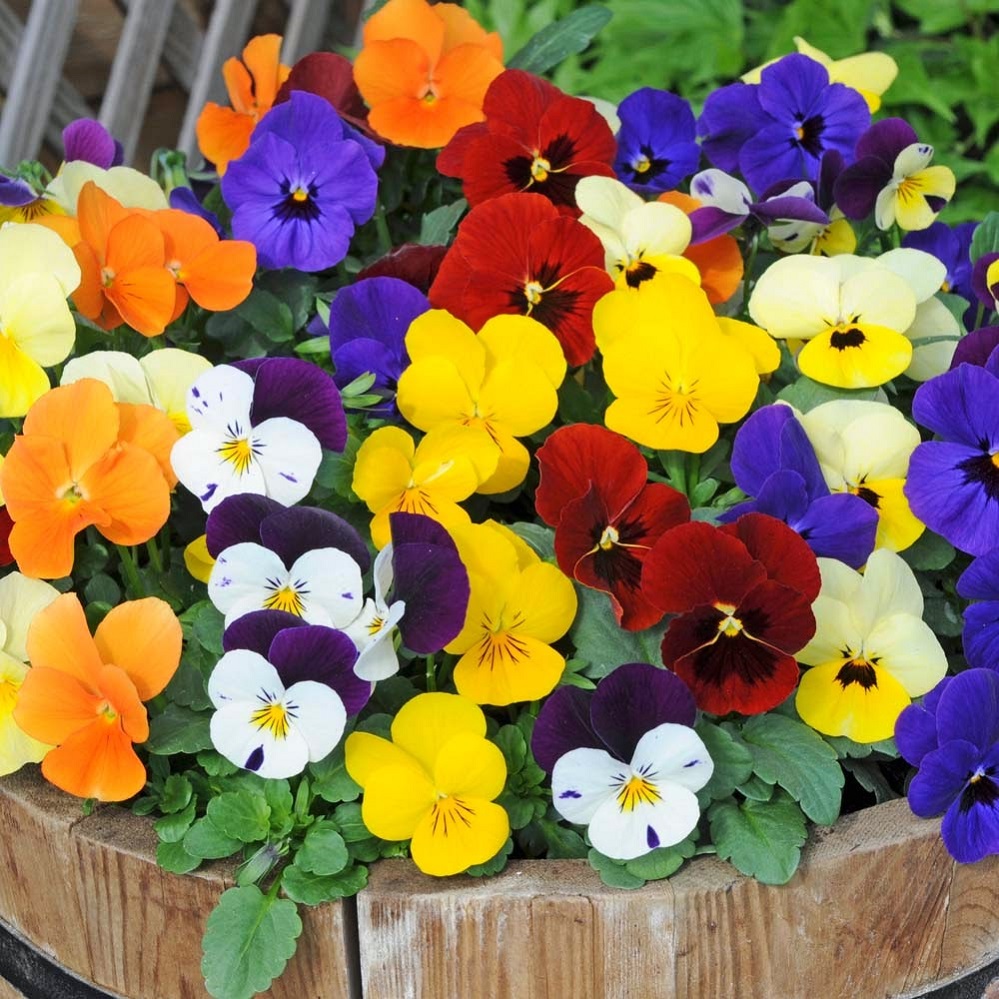
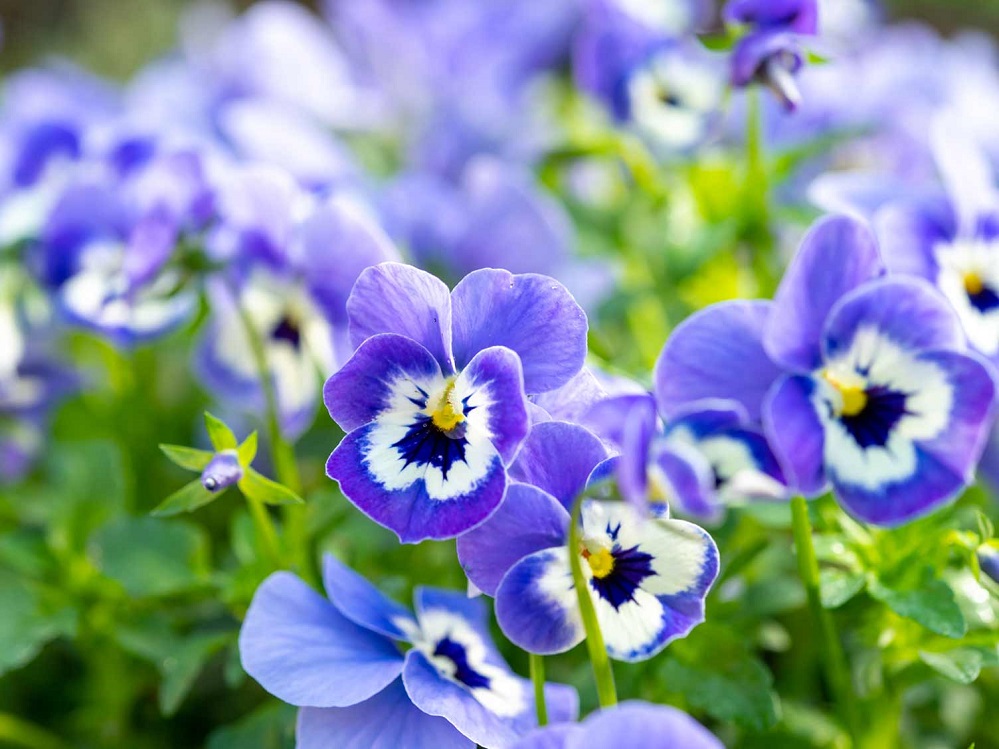
Planting in January can be successful with the right plants for the cold! Pansies, violas, and pinks (Dianthus) are hardy throughout the winter, and will add color to the garden from now until the heat arrives. Some protection may be needed outdoors if temps become truly frigid, but 40s should be OK. The local nurseries will have a variety of plants for sale that are winter hardy and suitable for the season.
January Veggies can be planted from transplants, but it is too early to plant seed. Onions, both bulbs and onion “sets”, can be planted in mid-January, as well as broccoli, ornamental cabbage. and kale. Seeds of summer vegetables can be started indoors in late January and early February in order to have vigorous young transplants ready for the spring season.
General Chores in January may include perusing seed catalogues for new varieties of flowers and vegetables. An “always useful-no matter the season” chore involves watching houseplants for insects, and keeping a regular indoor watering and feeding schedule. And as always, keep outdoor garden areas mulched to prevent weeds, retain moisture, and to protect and help warm the soil.
Enjoy gardening in January! All too soon summer will return with its 100 degree days, and the brisk, chilly, sweater weather will be a distant memory!