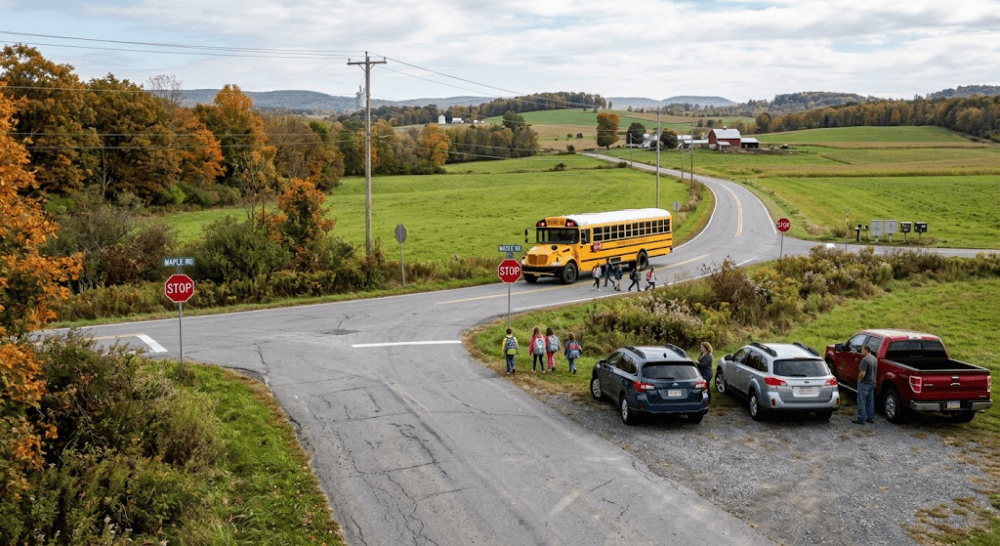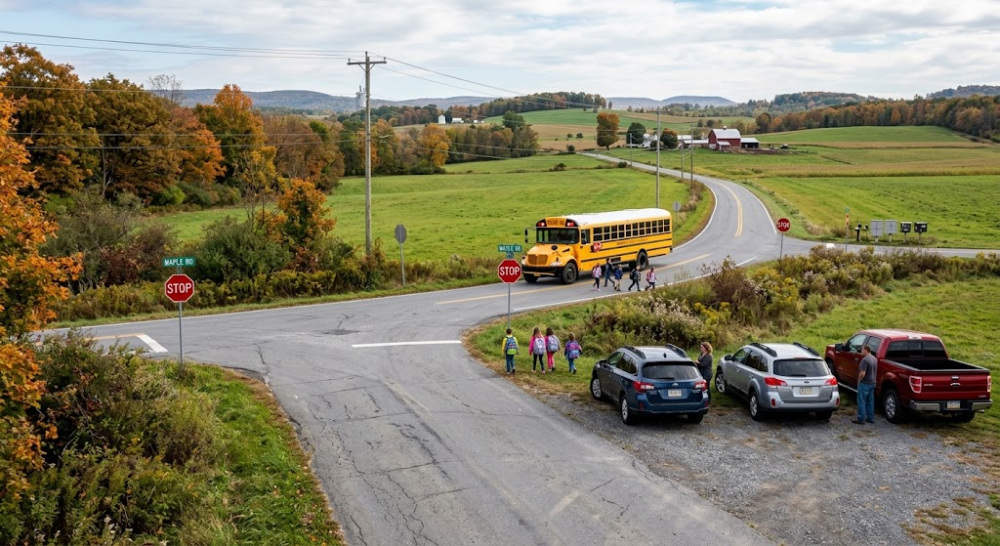
October 20, 2026 – Texas – A sharp spike in diesel fuel prices is sending shockwaves through school district budgets nationwide, forcing administrators to scramble for financial workarounds. With pump prices soaring past $6 a gallon in many areas—nearly double what districts paid a year ago—school systems are facing difficult choices that threaten to curtail student field trips, disrupt extracurricular activities, and lengthen the financial strain of athletic travel.
According to a recent nationwide survey by the Association of School Business Officials International (ASBO), AASA (the School Superintendents Association), and the National Association for Pupil Transportation, more than half of school district leaders (56%) exceeded their approved fuel budgets last school year. To cope with the escalating crisis, 20% of districts have already begun limiting nonrequired travel, such as educational field trips, while nearly a third warn that extracurricular and athletic programs could face direct cuts.
Field Trips and Extracurriculars on the Chopping Block
For decades, field trips and after-school clubs have served as foundational components of experiential learning and student development. Today, however, they are increasingly viewed as luxury expenditures under threat.
When fuel budgets dry up instantly in real-time, districts lack the luxury of delaying payments. “You have to absorb it in real time,” explained Noelle Ellerson Ng, chief advocacy and governance officer at AASA. “You can’t not pay diesel.”
As districts search for non-instructional programs to trim, non-required travel sits squarely in the crosshairs. Educational field trips to museums, historical sites, and nature centers are frequently the first to be downsized or canceled outright. Meanwhile, extracurricular activities that rely heavily on bus transportation—from marching band competitions to academic club assemblies—are seeing heightened scrutiny.
The Heavy Toll of Away-Game Travel and Long Drives
Athletic departments are feeling an acute squeeze, particularly as they look at the length of drives required for away sports games. For rural districts or sprawling suburban regions, team travel routinely involves lengthy round-trips spanning dozens—if not hundreds—of miles.
With diesel averages climbing up to $6.32 nationwide (compared to $3.63 a year ago), transporting varsity and junior varsity teams to distant competitors has transformed into a massive line-item liability. Districts report that maintaining long-distance away schedules forces a zero-sum choice: drain emergency rainy-day reserves or begin scaling back the frequency of games, sharing transportation with neighboring districts, or reevaluating regional tournament participation.
Districts Get Creative with Routes and Anti-Idling Measures
To avert deeper cuts to classrooms and student programs, transportation directors are enacting wide-ranging operational workarounds:
- Route Consolidations: Approximately 40% of surveyed districts have consolidated bus routes to maximize student capacity per vehicle, while 25% have outright reduced their total number of routes.
- Aggressive Anti-Idling Protocols: Schools are implementing strict new rules to curb fuel waste, such as delaying bus engine startups until the final bell rings rather than running climate control ahead of dismissal.
- Tapping Reserves: Nearly one in five districts (19%) have dipped into reserve funds to bridge the immediate funding gap, though experts warn that relying on rainy-day funds for recurring energy costs is unsustainable.
A Deeper Squeeze Ahead
The transportation crisis arrives at an especially vulnerable time, compounding broader inflationary pressures on food, healthcare, and labor costs, alongside declining state-level funding. Compounding the issue, two-thirds of district leaders report that their state governments do not provide dedicated transportation funding that automatically scales with volatile fuel prices.
As school administrators draft budgets for upcoming terms, the central anxiety remains how long fuel volatility will persist. Without supplemental state relief or a stabilizing energy market, districts warn that the cultural and extracurricular fabric of public education—ranging from the museum bus to the Friday night away game—will continue to shoulder the cost.