August 24, 2026 – Across the United States, automated license plate recognition (ALPR) cameras produced by Flock Safety have become a common sight along roadways, near public parks, and at city entry points.However, a growing wave of targeted vandalism, theft, and community pushback is forcing police departments and the surveillance technology giant to adapt.
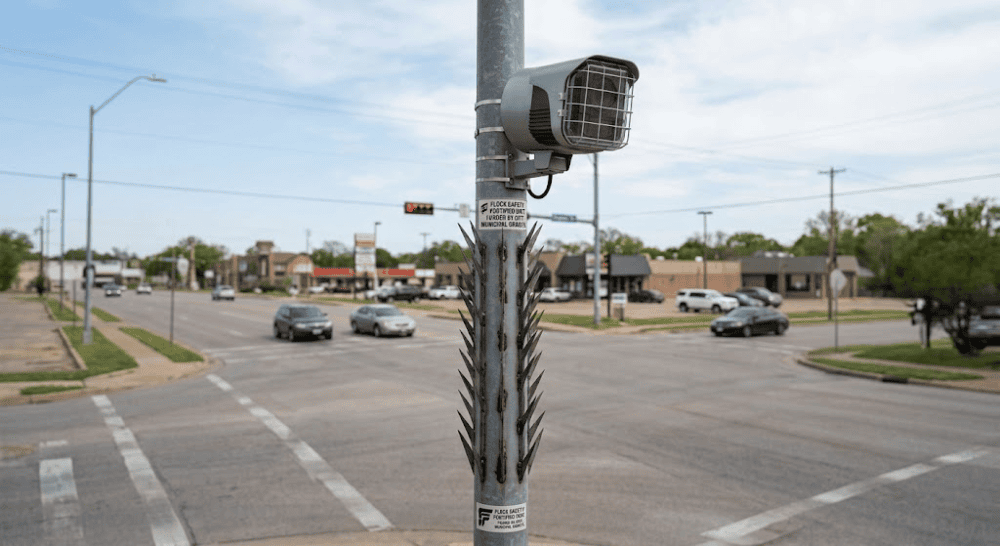
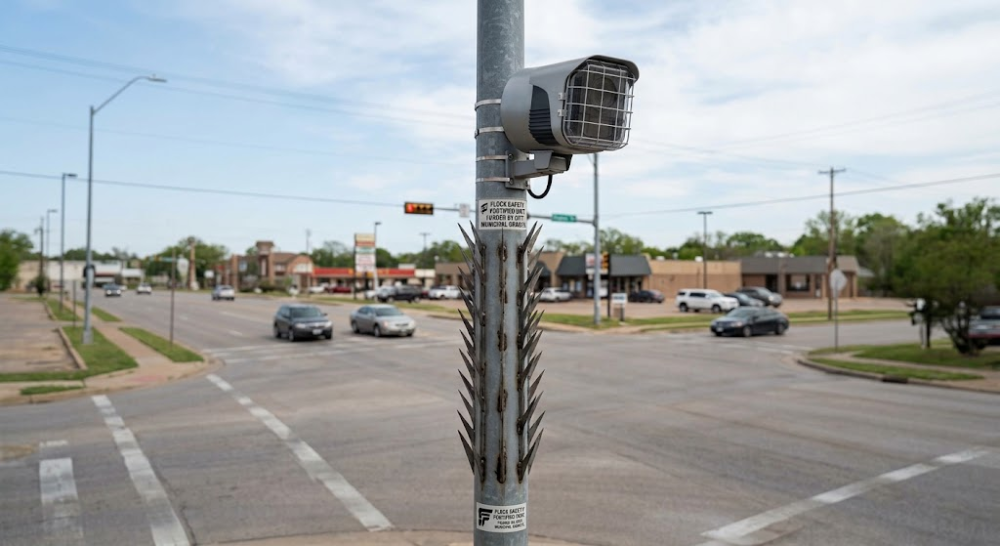
In response to physical attacks, law enforcement agencies are increasingly deploying armored housings, anti-climb features, and reinforced mounting poles to protect the devices. In some locations, local departments are moving cameras into higher, less conspicuous perches or blending them into public infrastructure—essentially hiding them in plain sight—to deter anti-surveillance actions.
Who Pays for the Protection and Replacements?
The financial burden of maintaining these camera networks falls on a mix of local tax dollars and private corporate insurance-style programs:
- Taxpayers and City Budgets: Municipalities and local police departments pay for the cameras primarily through annual software subscription and hardware leasing fees, often ranging from $2,500 to $3,000+ per camera per year. When cameras are vandalized or destroyed, replacement costs and labor expenses can draw directly from public safety funds unless covered by warranty plans.
- Flock Safety’s Protection Plans:To mitigate unexpected budget hits for cities, Flock Safety introduced an annual “Camera Protection Plan” add-on.Under this model, departments pay a predictable yearly subscription fee that covers repair or replacement costs for damaged or vandalized units at no extra charge, shifting the financial risk back onto the company.In high-profile areas experiencing high rates of damage, Flock has occasionally waived replacement fees for city partners to maintain their network presence.
Rising Scrutiny Driving Public Backlash
The uptick in camera destruction coincides with escalating public debate around privacy, federal access, and officer misuse.Civil liberties organizations, including the ACLU, have criticized the rapid expansion of these networks, citing instances where police officers improperly accessed Flock database logs for personal tracking or shared data across agencies.
While police departments argue that the cameras are essential tools for solving crimes and recovering stolen vehicles, critics view hidden and armored surveillance equipment as an overreach.As physical conflicts over the technology escalate, cities continue to balance the costs of securing their high-tech networks against growing public demands for transparency.